
The Eighth Central Pay Commission has scheduled a visit to Mumbai on October 22 and 23, 2026, as part of its consultation process with stakeholders, including employee organisations, unions, federations and pensioners' associations. The commission is gathering suggestions before preparing its recommendations on the pay structure, allowances, pensions and other service benefits of central government employees.
The visit will include discussions with employee representatives and an examination of railway operations and working conditions. No immediate increase in salaries or allowances has been confirmed in connection with the meetings.
Former Supreme Court judge Ranjana Prakash Desai is chairing the Eighth Central Pay Commission. According to the available information, former IAS officer Pankaj Jain is the member-secretary, while Pulak Ghosh, an economist and professor of finance associated with the Prime Minister's Economic Advisory Council, is a member.


The commission is tasked with reviewing the pay structure and associated benefits of central government employees. Its areas of consideration include the pay matrix, dearness allowance (DA), house rent allowance (HRA), pensions and other service benefits. Recommendations will be prepared on the basis of stakeholder submissions and available information.
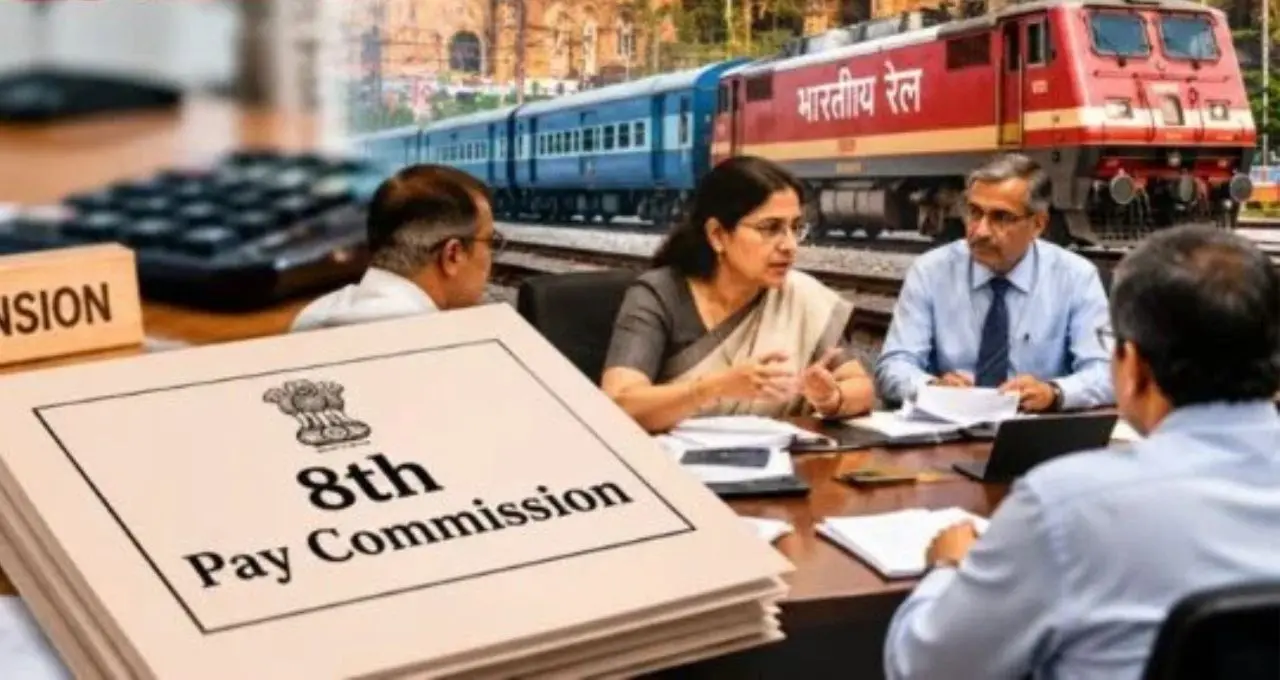
During the Mumbai visit, the commission's panel will meet representatives of employee organisations and examine railway operations and working conditions. According to a letter sent by the Railway Board to the All India Railwaymen's Federation (AIRF) and the National Federation of Indian Railwaymen (NFIR), Chhatrapati Shivaji Maharaj Terminus (CSMT) will be a key location during the visit.
The programme is intended to provide an understanding of different railway departments and working arrangements, including the challenges faced by employees whose duties involve difficult or hazardous conditions or require continuous vigilance.
The working conditions of employees involved in railway track maintenance, signalling operations and maintenance activities are among the areas that may be examined. Track maintainers, keymen and patrolmen may have to work in difficult weather and hazardous conditions. Understanding the nature of their duties and responsibilities is relevant to the consideration of pay and service-related recommendations.
Employees involved in train operations are required to remain alert for extended periods. Their duties involve time pressures, safety responsibilities and changing operational conditions. The visit may also focus on railway operations and the working arrangements of running staff.
The functioning of control rooms, station management systems and railway workshops is another area of focus. Employees at these locations are responsible for train movements, operational coordination and equipment maintenance. Examining their working conditions may help the commission understand employee demands and the responsibilities associated with these roles.
The commission's consultations are intended to gather the views of central government employees and pensioners before its recommendations are prepared. Pay revisions, dearness allowance, house rent allowance, pensions and other service benefits are among the matters under consideration.