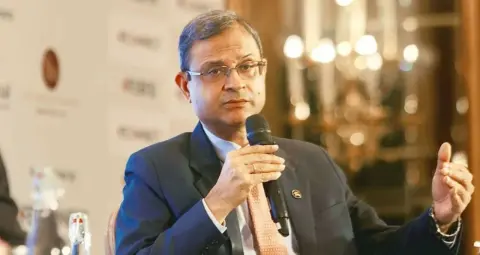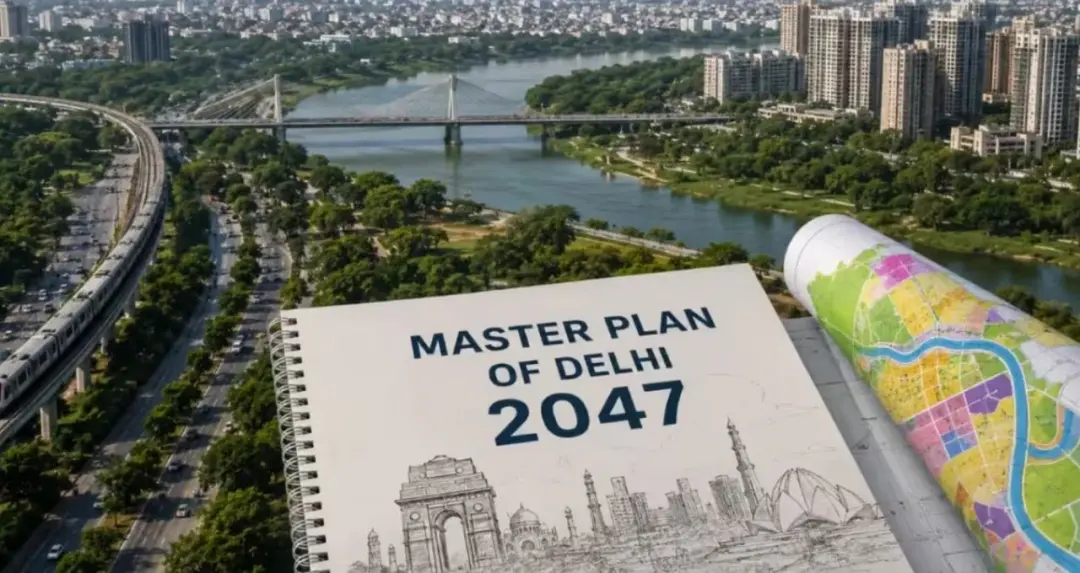
Union Housing and Urban Affairs Minister Manohar Lal Khattar unveiled the Delhi Master Plan 2047, outlining a long-term framework for urban development in the national capital. The plan focuses on housing, public transport, redevelopment of older areas, education, research, industry and logistics. It targets the addition of 30 to 40 lakh new flats, expansion of the metro network and development of six new Regional Rapid Transit System (RRTS) corridors in the coming years.
Delhi Chief Minister Rekha Gupta, Lieutenant Governor Taranjit Singh Sandhu and senior officials were present at the event. The master plan aims to address the needs of a growing population by providing better housing, faster transport and modern urban facilities in Delhi.




Housing is a key focus of the Delhi Master Plan 2047. According to the plan, around 30 to 40 lakh new flats could be added in the capital in the coming years, with affordable housing given priority. The plan also focuses on modernising older residential areas.
Flats and buildings that are more than 50 years old are proposed to be redeveloped. Under the plan, modern housing could be developed in place of dilapidated buildings, along with improvements to roads, parking, green spaces and other civic facilities.
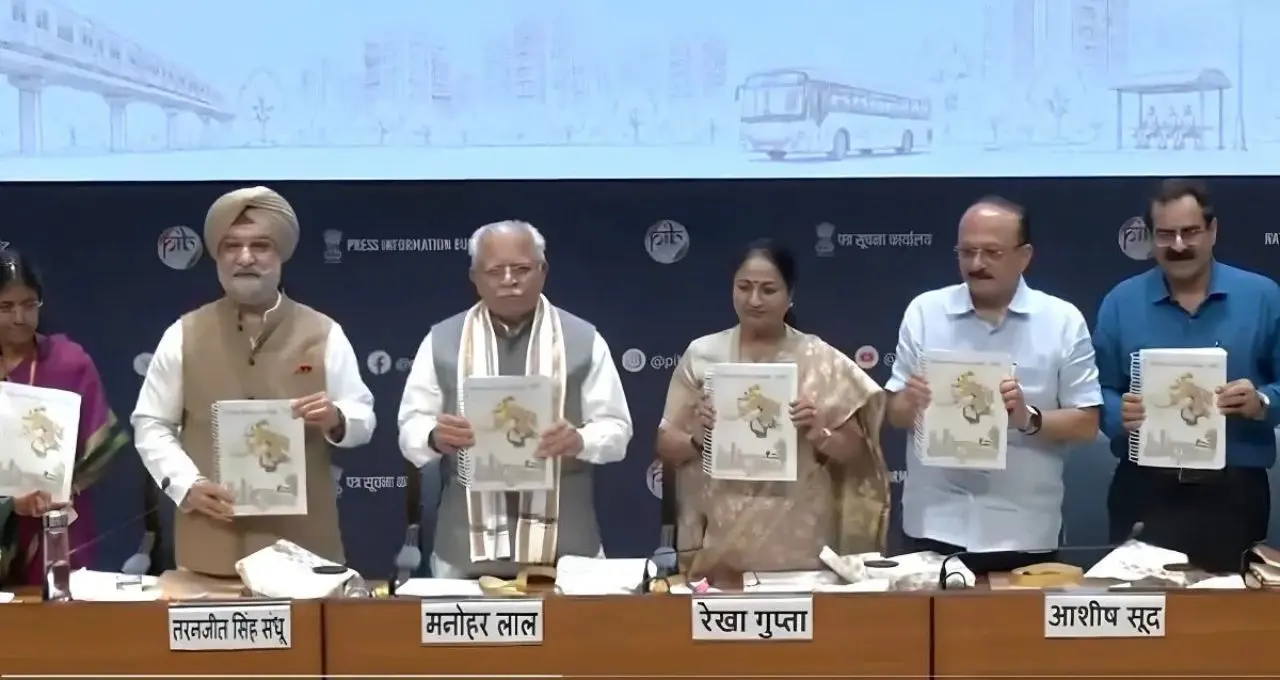
The plan sets a target of expanding Delhi’s metro network from the existing approximately 416 kilometres to 695 kilometres. The expansion is intended to improve connectivity within Delhi as well as with surrounding urban areas.
The plan also proposes expanding the Regional Rapid Transit System (RRTS). In addition to the existing network, six new RRTS corridors are proposed to be developed. The RRTS is intended to provide faster public transport connectivity between Delhi and major cities in the National Capital Region.
Sarai Kale Khan, Anand Vihar and Kashmere Gate are planned to be developed as major transit hubs. The plan seeks to improve interconnectivity between the metro, RRTS and other public transport systems at these locations.
The plan also proposes developing an education hub across around 138 hectares in Narela to strengthen Delhi’s position as a centre for education, research and technology. Universities, research institutions, skill development centres and startup facilities will be promoted there.
The Delhi Master Plan 2047 also proposes modern industrial and logistics hubs connected to highways, railways and major urban roads. Warehousing, distribution centres and freight facilities are proposed as part of these hubs.