Dracula Technologies Develops Solar Film That Generates Electricity From Indoor LED Light
LAYER Technology Converts Indoor Light Into Electricity
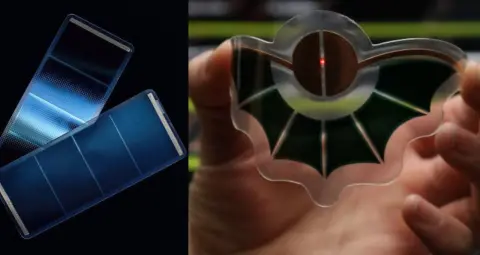
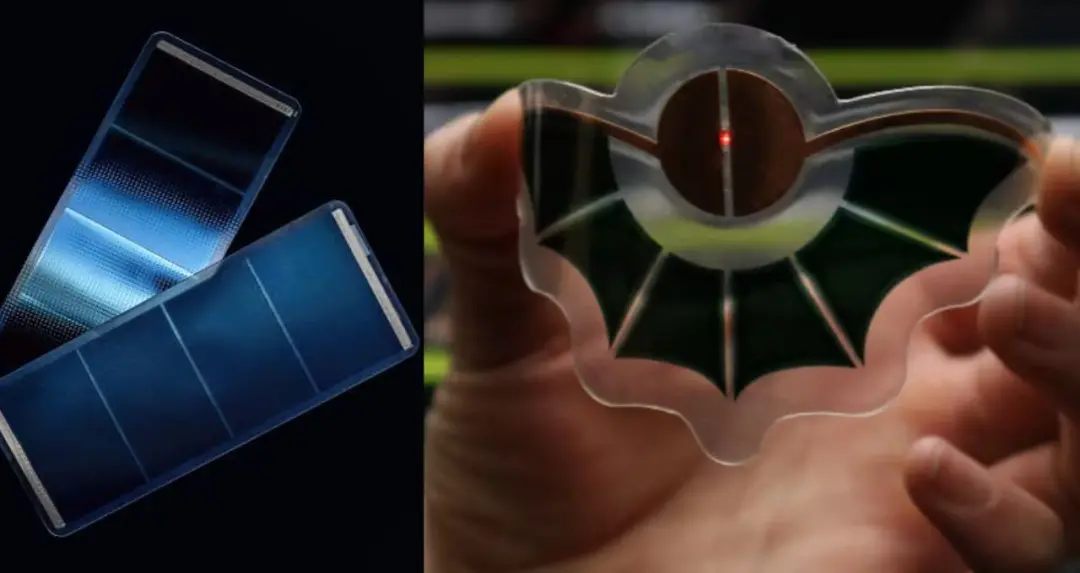
France-based Dracula Technologies has developed a solar film called LAYER that can generate electricity from indoor lighting, including LED lights. The technology is designed for low-power electronic devices such as sensors, remote controls and smart equipment, potentially reducing the need for frequent battery replacements.
Unlike conventional solar panels, which generally require direct sunlight for effective electricity generation, LAYER can harvest energy from artificial and natural indoor light. The thin film is designed to produce small amounts of electricity for electronic devices with low power requirements.
How LAYER Generates Electricity From Indoor Light
Conventional rooftop solar panels typically require sufficient sunlight to generate electricity efficiently. Dracula Technologies' LAYER technology is designed to operate under lower-light conditions.
The film can capture energy from indoor LED lighting as well as natural light entering through windows. It uses Organic Photovoltaic (OPV) technology, in which specialised organic materials absorb light and convert it into electricity. This allows the film to generate power without requiring direct exposure to sunlight.
However, the amount of electricity generated is limited and depends on the intensity of the surrounding light and the size of the film. The technology is not designed to power household appliances such as refrigerators, fans or air conditioners. Its intended applications are smaller electronic devices that require relatively little electricity.
Inkjet Printing Used to Manufacture the Flexible Solar Film
Dracula Technologies, a French company founded in 2012, developed LAYER following several years of research.




Unlike conventional solar panels, the technology does not use a thick, rigid structure. Instead, it uses a thin and flexible film coated with layers of carbon-based organic materials.
The company uses Inkjet Printing to apply these materials. The process is similar to conventional printer-based printing, although the materials used are designed to generate electricity rather than function as ordinary ink.
The film can be manufactured in different sizes according to application requirements, allowing it to be integrated into the designs of smaller electronic devices.
According to the company, its manufacturing process does not require rare or heavy metals, making the technology an alternative for certain small electronic applications.
In January 2026, Dracula Technologies introduced LAYER V2.0. According to the company, the new version delivers approximately 30 per cent better performance than the previous model.
Potential Applications in Remote Controls and Smart Sensors
Several devices used in homes and offices operate continuously while consuming relatively little electricity. These include temperature sensors, smart thermostats, certain remote controls and air-quality monitoring devices.
Many such gadgets rely on small batteries that need to be replaced when their charge runs out. While replacing batteries in one or two devices may be relatively straightforward, maintaining hundreds of sensors in a large building can be more challenging.
LAYER is designed for applications of this kind. When integrated into a device, the film can harvest energy from surrounding indoor light and supply electricity for its operation, potentially reducing the frequency of battery replacements.
Electronic shelf labels used to display product prices in retail stores and small tracking devices used to monitor goods are also among its potential applications.
LAYER Vault Addresses Energy Storage Requirements
The technology does not currently eliminate the need for batteries in every application. LAYER generates electricity only when sufficient surrounding light is available. Power generation stops when the lights are switched off or the surrounding environment becomes dark.
Devices that need to operate continuously may therefore require an additional energy-storage mechanism.
To address this requirement, Dracula Technologies has worked on LAYER Vault, which can store electricity generated from light. This stored energy can then supply power to smaller devices for a period when lighting is unavailable.
The operating duration depends on the device's electricity consumption and the amount of energy stored.
Focus Remains on Low-Power Electronic Devices
Smart sensors are increasingly being used in homes, hospitals, offices and factories to monitor conditions such as temperature, lighting, air quality and equipment status.
Reducing the need for frequent battery replacements in these devices could lower maintenance requirements and costs.
Dracula Technologies is developing its technology for this category of applications. Its solar film could reduce the consumption of disposable batteries and, consequently, the number of used batteries discarded after replacement.
However, LAYER is not intended to power large household appliances. Its primary applications remain low-power smart devices and small electronic equipment.
The wider adoption of solar films such as LAYER will depend on factors including manufacturing costs, durability and performance under different lighting conditions. Their practical effectiveness across different applications will determine the extent to which they can reduce battery replacement requirements in small electronic devices.