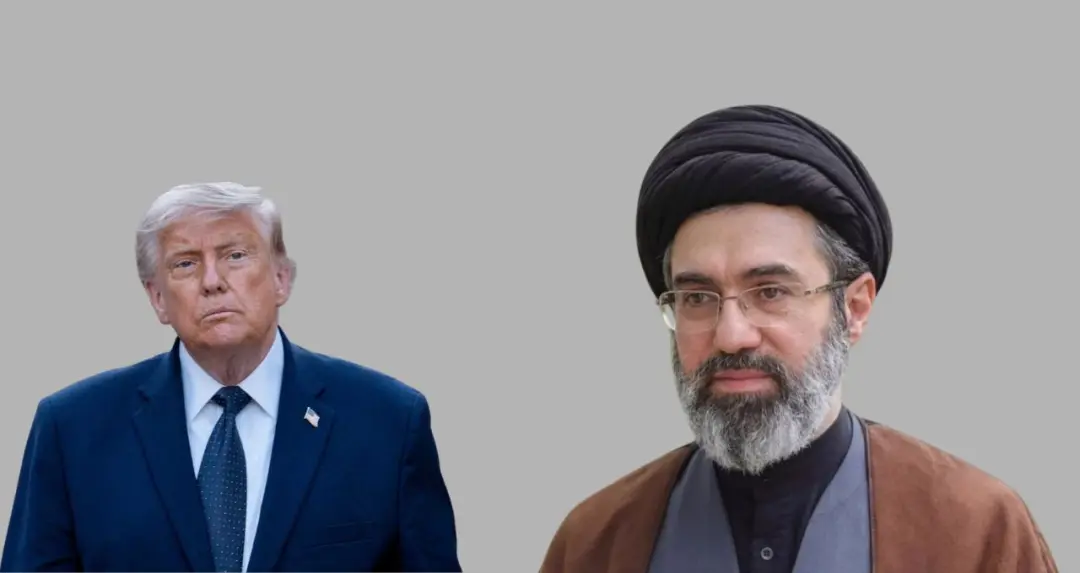
Iran has claimed it launched retaliatory strikes targeting United States military bases in Bahrain and Kuwait following recent U.S. airstrikes, further escalating tensions between the two countries in the Middle East.
Iran's Supreme Leader Ayatollah Ali Khamenei criticized the United States and Israel, stating that recent public remarks by their leaders amounted to acknowledgements of the military operations carried out against Iran. He also said Iran would pursue legal accountability for the deaths of its citizens and the damage caused to the country.
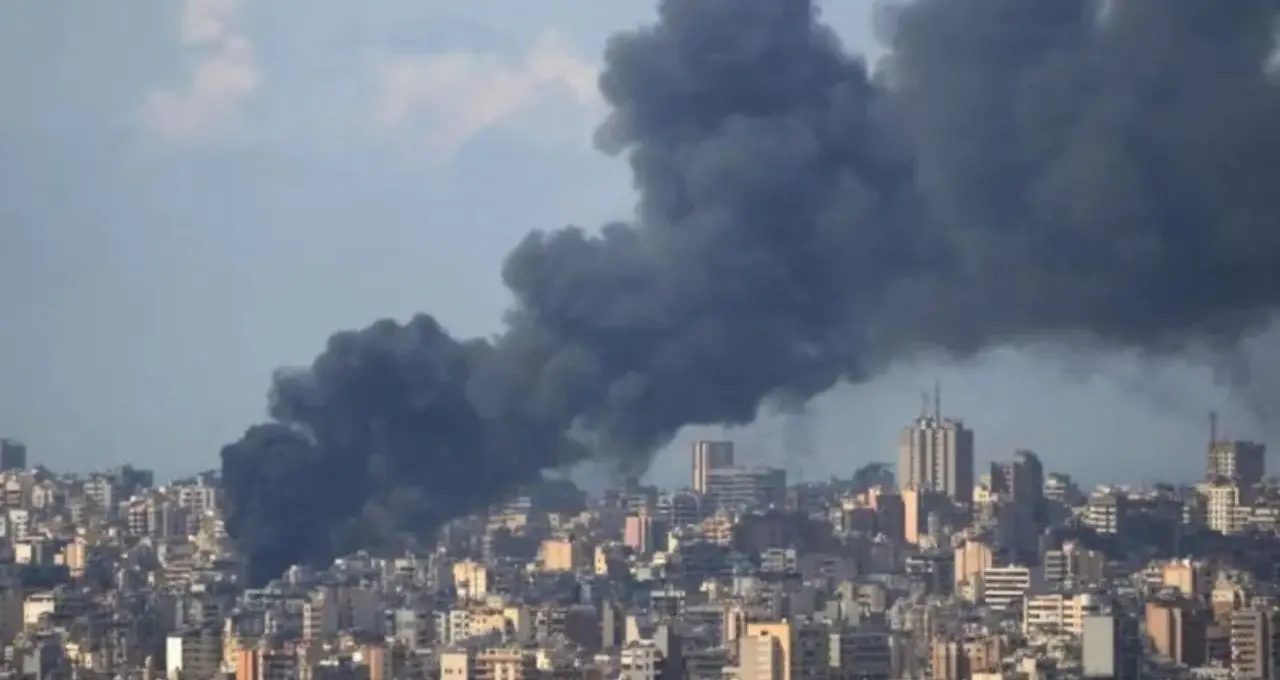
The Islamic Revolutionary Guard Corps (IRGC) said it had targeted U.S. military installations in Kuwait and Bahrain in response to American airstrikes conducted inside Iran. The claim has not been independently verified, and neither the United States nor the Gulf countries concerned immediately confirmed any significant damage.
Before the Iranian claim, the United States carried out airstrikes for a second consecutive day on several strategic locations in Iran. According to reports, the strikes targeted areas including Qeshm Island, Sirik and Bandar-e Lengeh.
The U.S. administration said the military operations were intended to protect its interests and allies in the region. Iran described the strikes as a violation of its sovereignty and warned of a b response.
In a message posted on social media, Khamenei said the public statements made by U.S. and Israeli leaders expressing pride in their military operations served as evidence of their actions. He said Iran would pursue legal action in domestic and international judicial forums over every attack, every civilian death and all forms of damage suffered by the country. He indicated that Iran was preparing to respond not only militarily but also through legal and diplomatic channels.
Iranian Foreign Minister Abbas Araghchi said the Strait of Hormuz would remain fully under Iran's control for the next 30 days. He warned that the regional situation could deteriorate further if the United States continued its military operations.
The Strait of Hormuz is a key maritime route for global energy supplies, with a significant share of the world's crude oil transported through the waterway to international markets. Any disruption in the area could affect global oil markets and maritime trade.
U.S. President Donald Trump warned Iran that it could face serious consequences if it did not change its actions. He said the United States would continue its military operations with full capability if necessary and would not compromise on the security of its troops and allied countries.
The IRGC also warned that continued U.S. military operations could result in substantial damage to American military installations in the region. It said Iran was prepared to take all necessary measures to safeguard its security and national interests. No new U.S. military response was announced immediately following the statement.
The escalating military tensions between the United States and Iran have raised international concern. The United Nations and several countries have urged both sides to exercise restraint and seek a resolution through dialogue.
According to experts cited in the source, a wider military confrontation could have implications beyond the Middle East, affecting global energy markets, international trade, maritime transport and regional security.
The Middle East remains one of the world's principal oil-producing regions, and the continuing confrontation between the United States and Iran could influence international crude oil prices. Any disruption in the Strait of Hormuz could affect global energy supplies. Experts also said prolonged tensions could increase inflationary pressures, transportation costs and economic challenges for multiple countries.
The situation in the Middle East remains highly sensitive, with both Iran and the United States maintaining firm positions through military actions and public statements. However, several claims and counterclaims made by both sides have not yet been independently verified. Further clarity is expected through official statements and international assessments as developments continue.