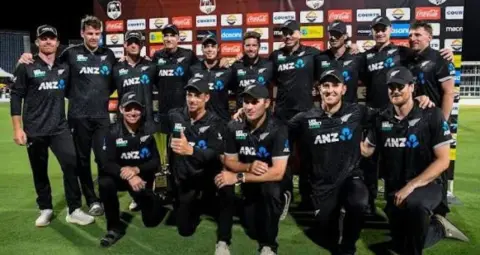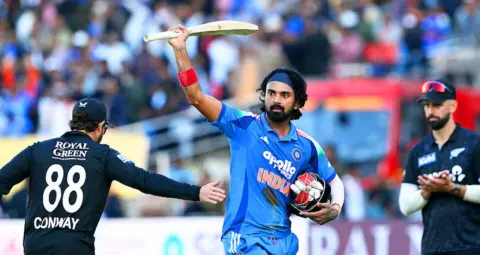
New Zealand defeated England by 253 runs in the second Test at Kennington Oval to level the three-match Test series 1-1. Matt Henry claimed 11 wickets in the match, while centuries from Glenn Phillips and Henry Nicholls played a key role in New Zealand’s victory.
After losing the toss and being asked to bat first, New Zealand recovered bly despite losing a few early wickets. At one stage, the visitors appeared likely to be dismissed for under 300, but middle-order batter Glenn Phillips changed the course of the innings with a century.
Phillips scored 100 runs, registering the first Test century of his career. His innings helped New Zealand post 391 runs in the first innings. England’s bowlers made early breakthroughs, but Phillips’ century guided New Zealand to a competitive total.




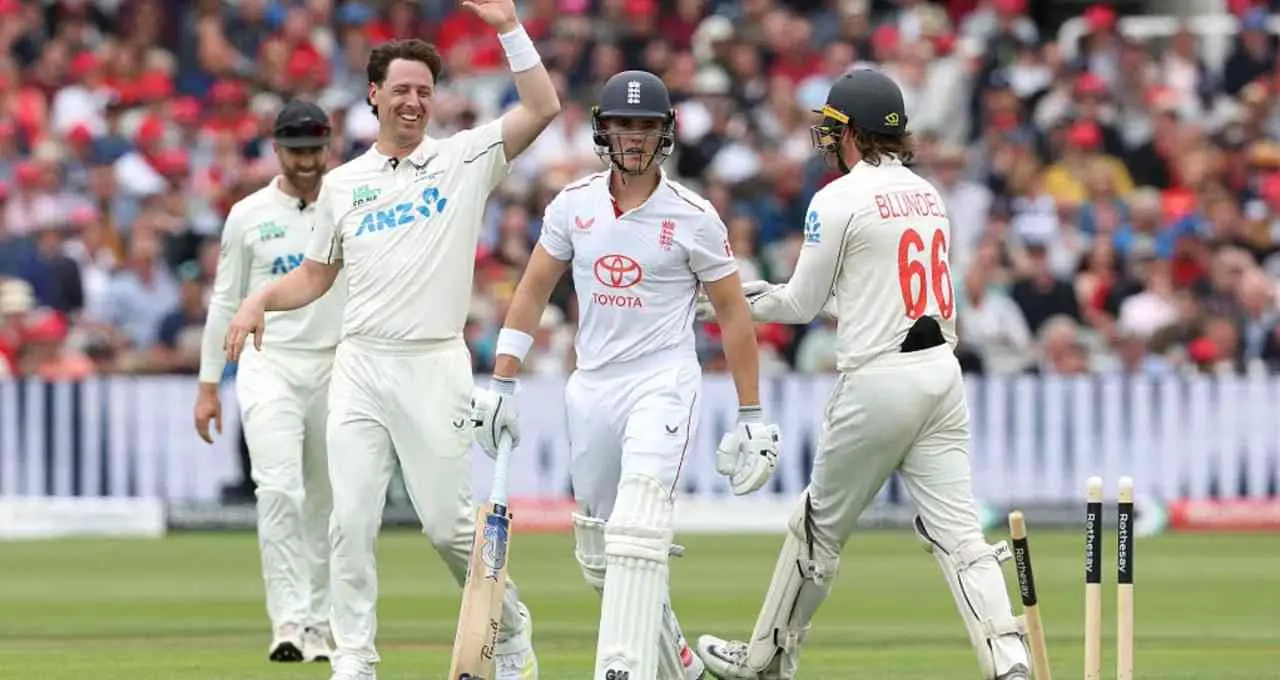
In reply to New Zealand’s 391, England were unable to produce the expected batting performance. Fast bowler Matt Henry troubled the English batters consistently with his line and length and claimed five wickets in the innings.
England were bowled out for 291, giving New Zealand a first-innings lead of 100 runs.
New Zealand continued their b batting display in the second innings. Henry Nicholls scored 121 runs and recorded a century, while Rachin Ravindra contributed 76 and Daryl Mitchell added 68.
Their contributions helped New Zealand score 361 in the second innings and set England a target of 463 runs for victory.
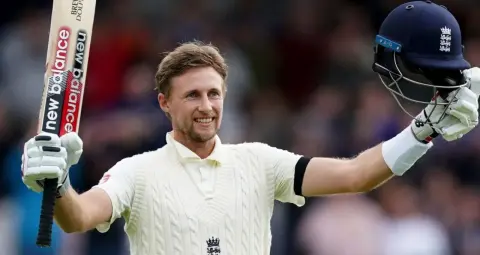
Chasing 463, England came under pressure from the outset. Joe Root top-scored with 77 runs, while Harry Brook made 58. However, the remaining batters were unable to withstand New Zealand’s bowling attack.
Matt Henry again led the bowling effort, taking six wickets in the second innings to finish with 11 wickets in the match. England were dismissed for 209, handing New Zealand a 253-run victory.
The victory allowed New Zealand to level the three-match Test series at 1-1, setting up a decisive third Test. New Zealand’s win was built on centuries from Glenn Phillips and Henry Nicholls, along with Matt Henry’s 11-wicket match haul, which played a central role in securing the result.