Pakistan is facing a severe fuel crisis following a sharp increase in petrol and diesel prices, intensifying pressure on consumers and raising inflation concerns. The government has increased petrol prices by 137 rupees per litre and diesel prices by 184 rupees per litre. As a result, petrol prices have risen to approximately 458 rupees per litre and diesel prices have crossed 520 rupees per litre.
The increase comes amid an ongoing economic crisis and elevated inflation, further straining household budgets and daily expenses.
New Prices Implemented From Midnight
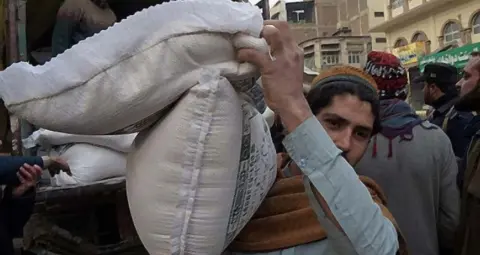
The revised prices were implemented from midnight, triggering long queues at petrol pumps across multiple cities as consumers rushed to purchase fuel at lower rates before the increase took effect. Reports indicate that tensions escalated at several locations, with incidents of altercations between petrol pump staff and customers. In some cases, individuals reportedly attempted to forcibly obtain fuel, reflecting rising public frustration.
Government Attributes Increase to Supply Constraints
Pakistan’s Petroleum Minister Ali Pervaiz Malik announced the price hike, citing resource constraints. He indicated that fuel stock levels in the country had declined, necessitating the increase. The government stated that global conditions and supply shortages required the adjustment.


However, sections of the public have questioned the rationale, viewing the move as a policy failure.
Questions Raised Over Shipping and Strait of Hormuz Activity
Amid the crisis, questions have emerged regarding Pakistan’s use of its shipping capacity. According to available information, Iran has permitted more than two Pakistani-flagged vessels per day to pass through the Strait of Hormuz.
There are concerns that these vessels may be used to transport crude oil to the United States rather than addressing domestic supply needs. The United States imports a significant portion of its oil requirements from Gulf countries, and Pakistan’s role in this context has come under scrutiny.
Domestic Supply Concerns Amid External Shipments
Experts have stated that if Pakistan had prioritized the use of its vessels for domestic fuel requirements, the current crisis may have been mitigated. The reported use of shipping capacity for external supply has raised concerns about its impact on domestic availability.

The situation has intensified debate over policy priorities, with public opinion indicating that domestic demand should be addressed before external commitments.
Inflationary Pressures and Economic Impact
The increase in fuel prices is expected to have a broader impact beyond the energy sector. Higher transportation costs are likely to raise prices of essential goods including fruits, vegetables, flour, milk, and other commodities.
Industrial activity may also be affected as rising logistics costs increase production expenses. This could place smaller industries at risk of closure and increase the likelihood of higher unemployment.
Sharp Increase Over One Month
Data over the past month indicates sustained increases in fuel prices. On March 6, the government raised petrol and diesel prices by 55 rupees per litre. Within 28 days, petrol prices have increased by a total of 192 rupees per litre and diesel prices by 239 rupees per litre.
These figures indicate a rapid escalation in fuel costs.
Comparisons With India Intensify
Rising fuel prices have led to comparisons with India. Opposition leaders and sections of the public have noted that petrol prices in India remain around 95 rupees per litre, while Pakistan’s petrol prices have reached approximately 458 rupees per litre.
Leaders from Pakistan Tehreek-e-Insaf have highlighted these comparisons on social media while criticizing the government.
Opposition Criticism of Government Policy
Opposition leaders have criticized the government’s handling of the situation, attributing the crisis to policy decisions. They stated that delays in taking appropriate measures have resulted in increased costs for the public.
They further indicated that if corrective action is not taken promptly, the situation may deteriorate further.