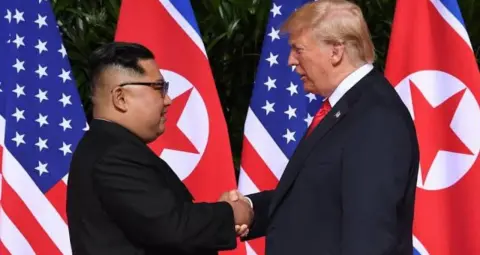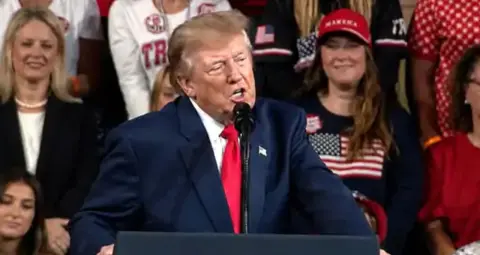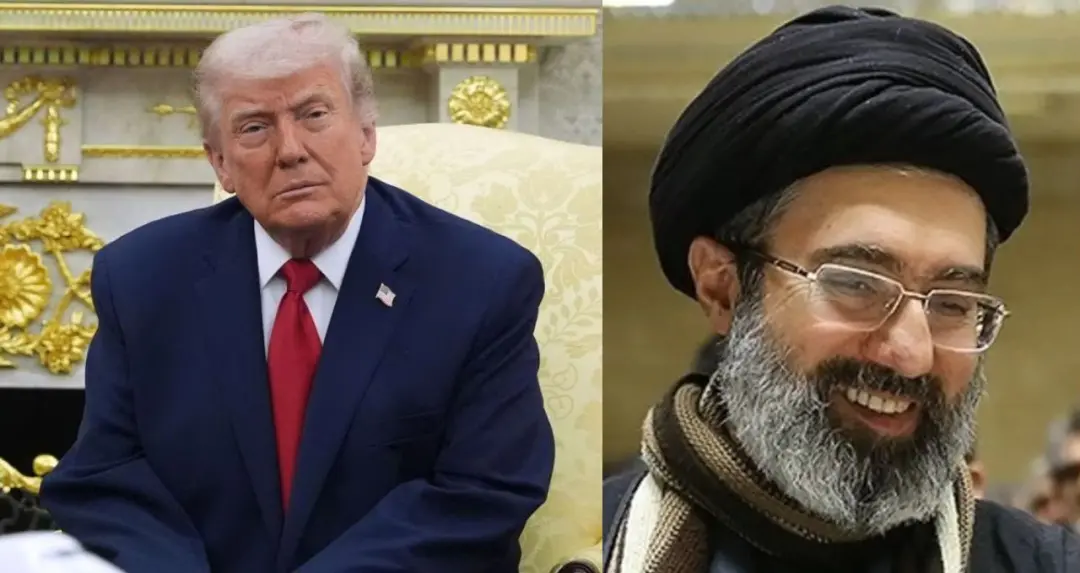
The United States and Iran appear to be moving closer to a possible agreement amid ongoing tensions over military conflict and Iran’s nuclear programme, according to statements made by US President Donald Trump. Trump said both countries were close to reaching a major agreement that could end hostilities and address nuclear-related issues.
Trump stated that if negotiations succeed, a ceasefire could be announced within 24 to 48 hours. He also warned that military action and bombing operations could resume if Iran withdraws from the talks.
Iran, however, has denied that any final agreement has been reached. Iranian Foreign Ministry spokesperson Esmail Baghaei said reports suggesting the two sides were very close to an agreement were being “exaggerated.”
According to Iran, no proposal has received final approval so far. Iranian officials said indirect talks were continuing through Pakistan, but no concrete decision had been made.
Iranian media also reported that the proposal presented by the United States includes certain conditions that Tehran considers difficult to accept, although those conditions were not disclosed publicly.


Reports indicate that a preliminary memorandum of understanding containing around 14 points has been drafted between the United States and Iran. The agreement has not yet been finalised, but it is being described in reports as the most advanced stage of negotiations so far.
Meanwhile, the United States has introduced a new proposal at the United Nations Security Council aimed at ensuring the safe movement of ships through the Strait of Hormuz. Iran has opposed the proposal and appealed to member states to reject it.
The Strait of Hormuz has again emerged as a focal point of global geopolitical tensions due to its importance to international oil and gas supplies. Several incidents linked to rising tensions have been reported in the region, including attacks on vessels and blockade-related developments.
Recent reports said a cargo vessel operated by French shipping company CMA CGM was struck by a missile or drone attack, injuring several crew members. The incident has increased international concern over maritime security.
Amid the crisis, China and Iran held a high-level meeting in Beijing. China called for an immediate halt to the conflict and assured Iran of political support.
According to analysts cited in the reports, the situation now extends beyond the United States and Iran and indirectly involves major global actors including China, Russia and European countries.
Trump claimed that US military operations had caused serious damage to Iran’s navy, air force, missile systems and radar networks. He said the United States had brought the situation largely under control and warned that additional military measures would follow if Iran did not agree to a deal.
Trump also stated that the US Navy was operating like a “steel wall” and had successfully intercepted Iranian vessels.
During the developments, Israeli Prime Minister Benjamin Netanyahu confirmed holding discussions with Trump. Netanyahu said Iran must not be allowed to develop nuclear weapons under any circumstances. He also stated that enriched uranium should be removed from Iran to ensure regional security.
Recent weeks have also seen increased military activity in the Strait of Hormuz region. Reports said several oil tankers passed through areas under US monitoring, while Iranian and US naval operations intensified. New military strategies were also implemented to enhance vessel security.
The developments have affected global energy markets, with volatility reported in oil prices and growing pressure on supply chains.
International affairs experts said the crisis does not have an easy solution. According to analysts, Iran is unwilling to surrender what it describes as its “strategic independence,” while the United States seeks full nuclear oversight.
Experts also said Iran is unlikely to surrender under pressure and that a hardline US policy may not remain effective over the long term. They added that both sides require what they described as a “respectable agreement” to move toward a resolution.
Some analysts also said economic pressure could gradually influence developments, but a lasting peace would remain difficult without a political solution.