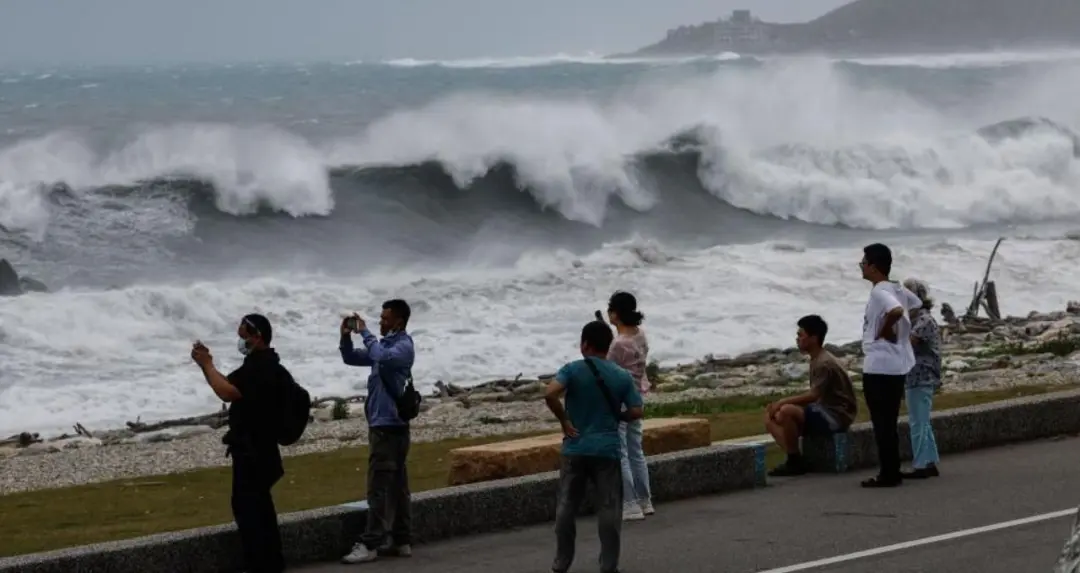
Typhoon Bavi has triggered multiple landslides in the southern Philippines following continuous heavy rainfall, leaving at least 15 people dead, according to officials. Authorities in Taiwan, China and Japan have also intensified disaster preparedness after issuing warnings of heavy rain and b winds associated with the storm.
The southern Philippine island of Mindanao has been the worst-affected area, where several families were caught in nighttime landslides. Rescue teams are continuing search operations for people believed to be trapped under debris, while several others remain missing.
According to weather agencies, Typhoon Bavi spans approximately 1,000 kilometres, making it one of the largest and most powerful storms in recent decades. The system is moving across the Pacific Ocean toward Taiwan, Japan's southwestern islands and subsequently southeastern China. Experts estimate that it could make landfall along the coastal areas of China's Fujian province on Saturday.


Taiwan's weather authorities have warned that northern and eastern parts of the island could receive up to one metre of rainfall due to the typhoon. With the risk of flooding, landslides and b winds, authorities have placed approximately 29,000 soldiers on standby for relief and rescue operations. Meteorologists said that, in terms of size, it could be the largest storm to approach Taiwan since 1987.
China has also issued a broad alert over Typhoon Bavi. Weather experts said the storm's primary impact is expected in the southeastern province of Fujian, although its remnants could extend to northern regions. Heavy rainfall and b winds are also expected to affect Jiangsu, Anhui and the Bohai Sea region. Local administrations in northern China have been advised to exercise additional caution because the region has comparatively less experience with typhoons.
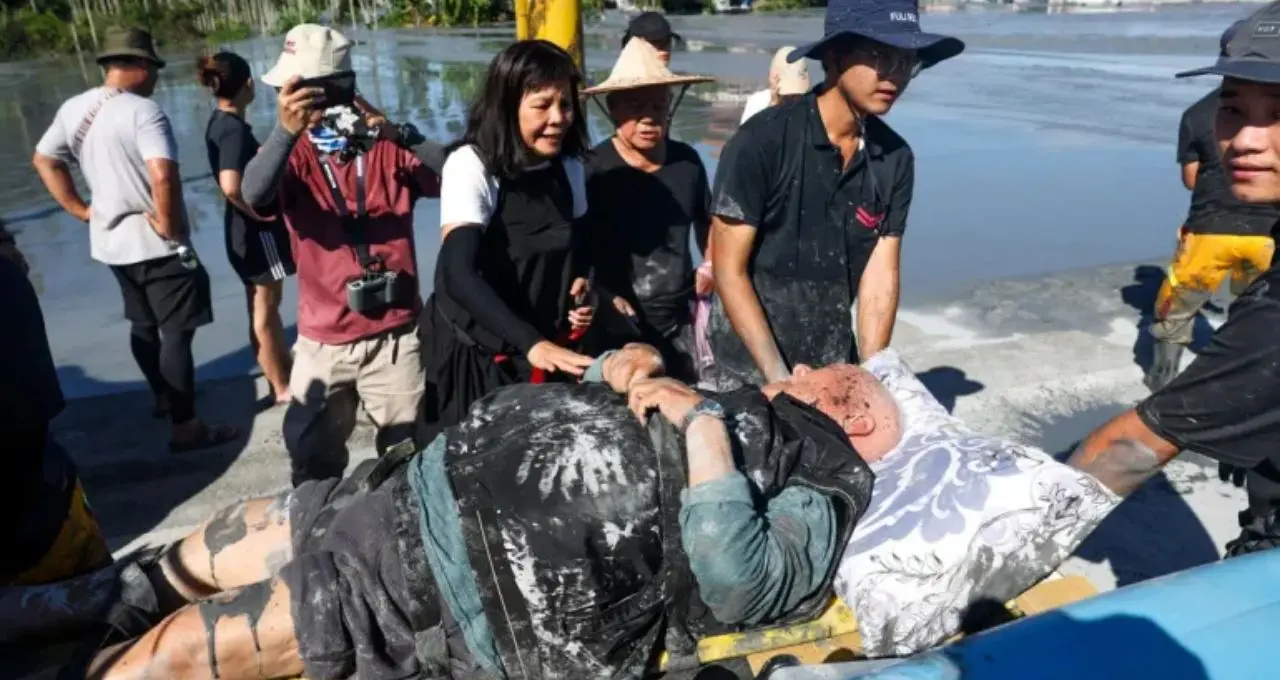
Authorities have urged residents of Japan's southwestern Sakishima island chain to remain vigilant. Local residents have reinforced the windows of homes and shops and installed protective netting against b winds. Several local administrative units have activated disaster management teams in anticipation of the storm. Transport services across the region have also been affected because of the typhoon threat.
People in several cities across Taiwan, China and Japan have been purchasing food, drinking water, medicines and other essential supplies in preparation for the potential disaster. Demand for essential goods has increased at many supermarkets. Farmers have accelerated crop harvesting ahead of the expected adverse weather, while fishermen have secured their boats in safe locations.
East Asia is still recovering from Typhoon Maysak, which killed at least 39 people and forced the evacuation of more than 130,000 residents. The storm caused extensive damage to the agricultural sector, while flooding and b winds affected infrastructure in several areas. Authorities are therefore maintaining a higher level of preparedness for Typhoon Bavi.
Meteorologists said rising sea surface temperatures and changing climate conditions are contributing to an increase in the intensity of powerful cyclones and typhoons. They said timely warnings, robust disaster management systems and preparedness by local authorities play an important role in reducing the loss of life and property.
Relief teams in the Philippines are continuing efforts to reach people stranded in affected areas. Emergency services, military personnel and local administrations in Taiwan, China and Japan remain on full alert to begin relief operations immediately if required.