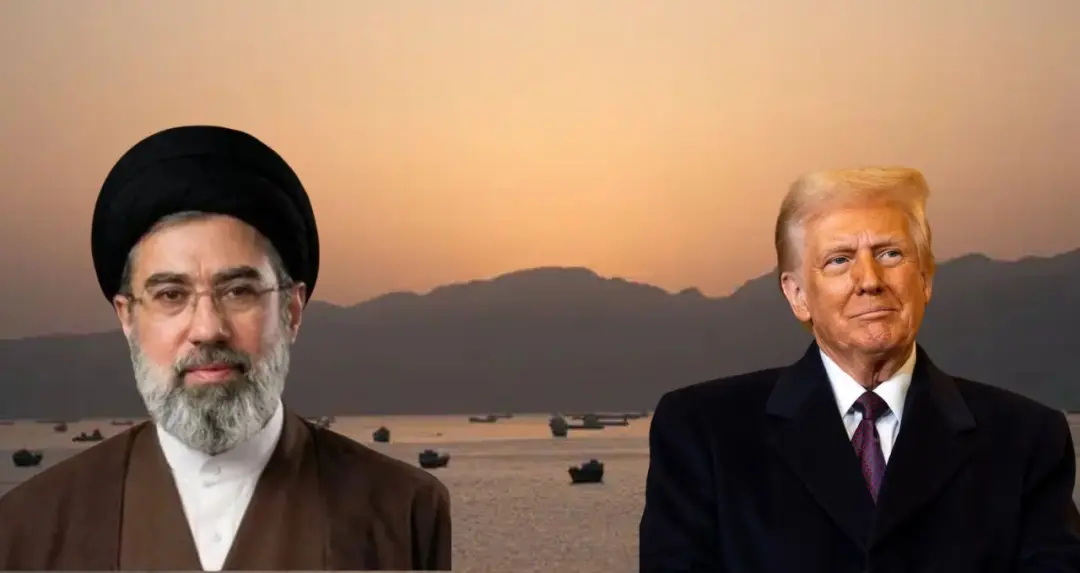
The United Nations has warned of a potential global food crisis amid escalating tensions in the Middle East and uncertainty surrounding the Strait of Hormuz. Disruptions to fertilizer supply could reduce crop yields by up to 30 percent, raising concerns over rising food prices and supply shortages worldwide.
The chief economist of the Food and Agriculture Organization, Maximo Torero, stated that continued instability could push the world toward a significant food crisis. He attributed the risk to disruptions in maritime activity and supply chains linked to tensions involving Iran and the United States.
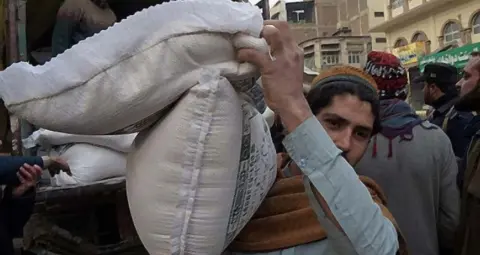
Torero said fertilizer shipments have been severely affected due to conflict and sanctions, with deliveries to several countries nearly halted. He warned that prolonged shortages could reduce yields of major crops, including wheat, maize, rice, and soybeans, leading to increased global food prices.
In an interview with Al Jazeera, Torero said the crisis has intensified as planting seasons in several parts of Asia have already passed. He noted that insufficient fertilizer availability could limit agricultural output, with effects expected to become visible in global markets in the coming months.
Experts have indicated that major agricultural producers such as the United States and Brazil may alter crop strategies. A shift toward soybean production instead of wheat and maize could further disrupt global grain markets.
The Strait of Hormuz remains central to global trade, with millions of barrels of oil and gas transported daily, along with significant volumes of fertilizer and petrochemical products. Iranian authorities have indicated the possibility of new legislation affecting transit through the route.
Iranian parliament vice speaker Hamidreza Haji Babai said the proposed law could restrict vessels linked to Israel from using the passage. He added that ships from other countries may also require Iranian approval. The statement has raised concerns in international trade and energy markets.
Amid the tensions, an Iranian oil tanker operated by the National Iranian Tanker Company reportedly reached the Asia-Pacific region despite US sanctions. The VLCC supertanker “Huez” is carrying approximately 1.9 million barrels of crude oil. Reports indicate the vessel has kept its Automatic Identification System switched off since March, complicating tracking efforts. It was last observed near Sri Lanka and is currently heading toward Indonesia’s Lombok Strait.
Iran has stated that several of its vessels have bypassed US restrictions, while the United States maintains that it has forced multiple ships to return.
Senior Iranian official Mohammad Jafar Assadi warned of the possibility of renewed conflict with the United States, stating that Iranian forces are prepared. US President Donald Trump said the United States could respond with further action if Iran makes what he described as a “mistake.” He also said a 14-point proposal from Iran is under review but expressed doubts about its acceptability.
In southern Lebanon, Israeli military activity has intensified, with reports of drone operations and explosions in multiple areas. Civilians who had returned after a ceasefire have reportedly been affected. A report by CNN stated that Iran targeted 16 US facilities across eight Middle Eastern countries during recent hostilities, although the claims have not been independently verified.
India has increased monitoring of maritime activity in the region. An LPG carrier, MT Sarva Shakti, has safely exited the Strait of Hormuz and is expected to arrive in Visakhapatnam by 13 May. According to the Ministry of Ports, Shipping and Waterways, the vessel is carrying 46,313 metric tonnes of LPG and 20 crew members, including 18 Indian nationals.
The ministry stated that all Indian seafarers in the region are currently safe and that monitoring of maritime operations continues. More than 2,900 Indian sailors have been safely repatriated from the Gulf region so far.
Experts have indicated that a prolonged disruption in the Strait of Hormuz could impact not only oil markets but also food supply, energy prices, shipping costs, and global trade. With the global economy already facing inflation and supply chain disruptions, continued instability in the Middle East could increase economic pressure worldwide.