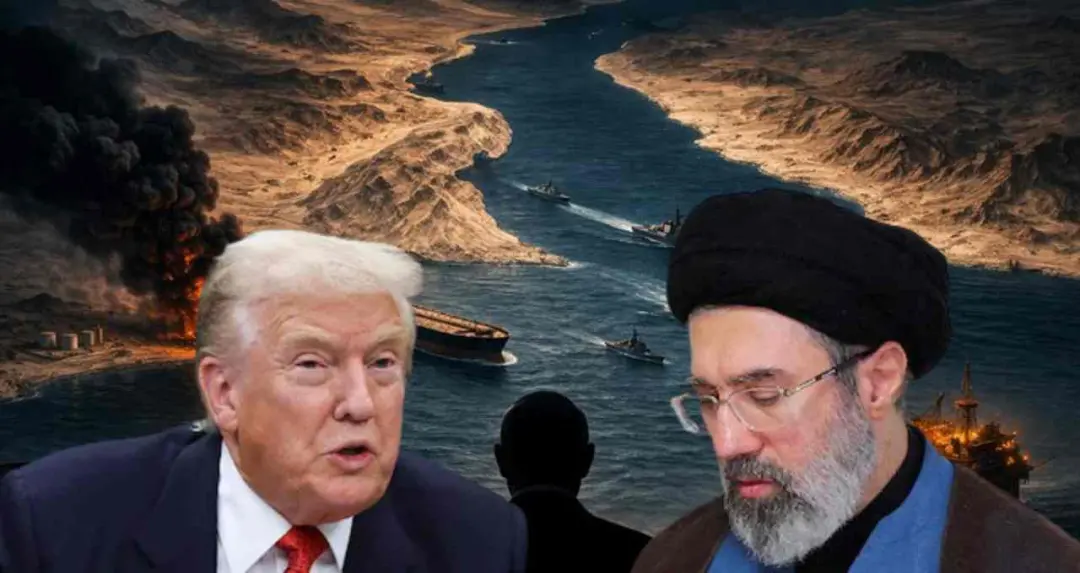
United States Armed Forces conducted another round of large-scale military strikes in Iran, according to U.S. officials, who said overnight operations targeted military sites that the U.S. military considered potential threats to its personnel and commercial vessels transiting the Strait of Hormuz.
International media reports, citing U.S. officials, said the overnight operations targeted locations identified by the U.S. military as posing potential risks to American troops and international commercial shipping. U.S. defense officials also claimed that several suspected Iranian drones operating in the region were shot down.
The developments come amid renewed tensions between the United States and Iran in the Middle East. Reports said the U.S. military carried out new airstrikes on multiple military sites inside Iran, citing increased military activity and drone-related threats around the Strait of Hormuz as factors behind the action.
The Strait of Hormuz is regarded as one of the world’s most significant maritime trade routes, with a substantial share of global oil supplies passing through it. The route is critical for transporting crude oil and gas from Gulf countries to Asia, Europe, and other regions. Experts said any military tension in the area could have an immediate impact on global energy markets.
Following recent developments, fluctuations were reported in international crude oil prices, while investors and energy companies were closely monitoring the next steps by the United States and Iran.
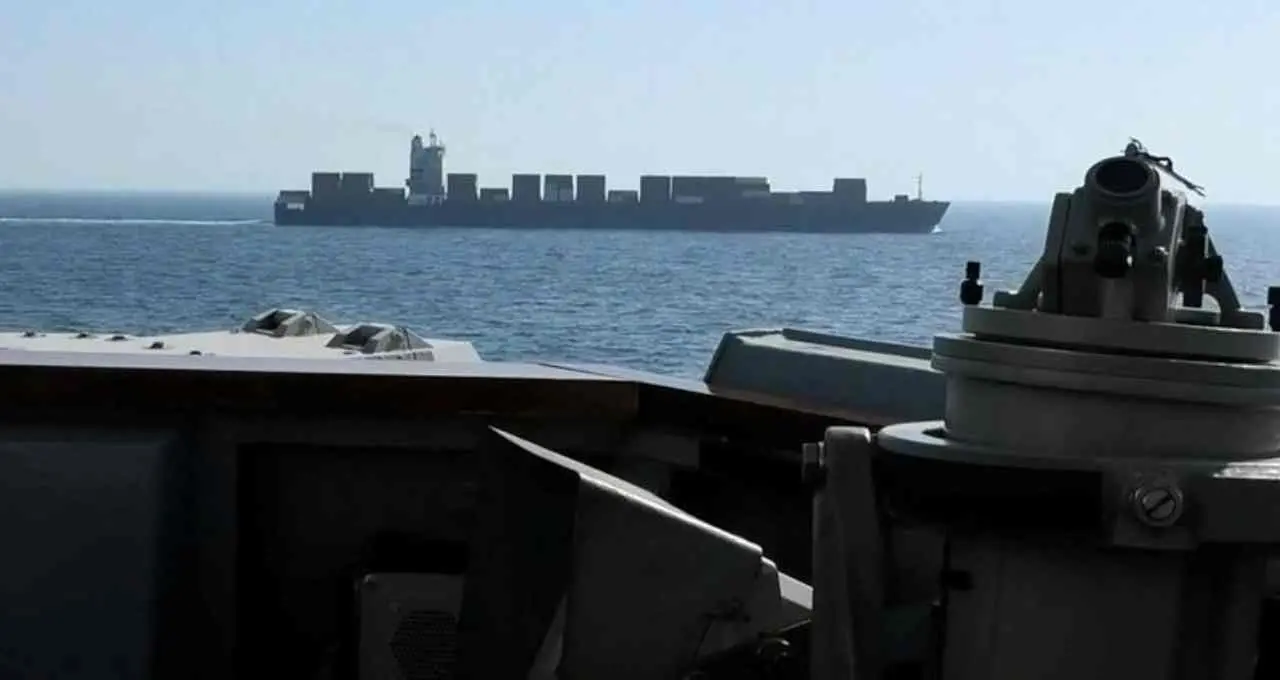
Reports said tensions between the United States and Iran have continued to escalate over the past several months, with regional conflict, military operations, and strategic maritime activities further complicating relations between the two countries. Analysts said the effects of the tensions extend beyond the Middle East, affecting global trade, energy security, and international diplomacy. Several countries are monitoring the situation closely, as instability in the Strait of Hormuz could affect global economic activity.
U.S. defense officials claimed there had been an increase in drone movement in the region, which was viewed as a potential security threat. Experts said the growing role of drone technology in modern warfare has increased the complexity of military conflicts, with drones increasingly used for surveillance, attacks, and intelligence gathering. Experts further stated that drone activity in sensitive regions such as the Strait of Hormuz could pose challenges to international shipping and regional military balance.
The developments come as diplomatic efforts to reduce tensions and pursue a possible peaceful resolution between the two countries are reportedly ongoing. Some media reports stated that discussions could take place regarding joint shipping operations in the Strait of Hormuz under regional cooperation arrangements. The U.S. administration, however, stated that maintaining the security and openness of international maritime routes remains its priority.
Political experts said the parallel continuation of military action and diplomatic engagement indicates that both sides are attempting to maintain strategic pressure, while concerns remain over the possibility of increased regional instability.