
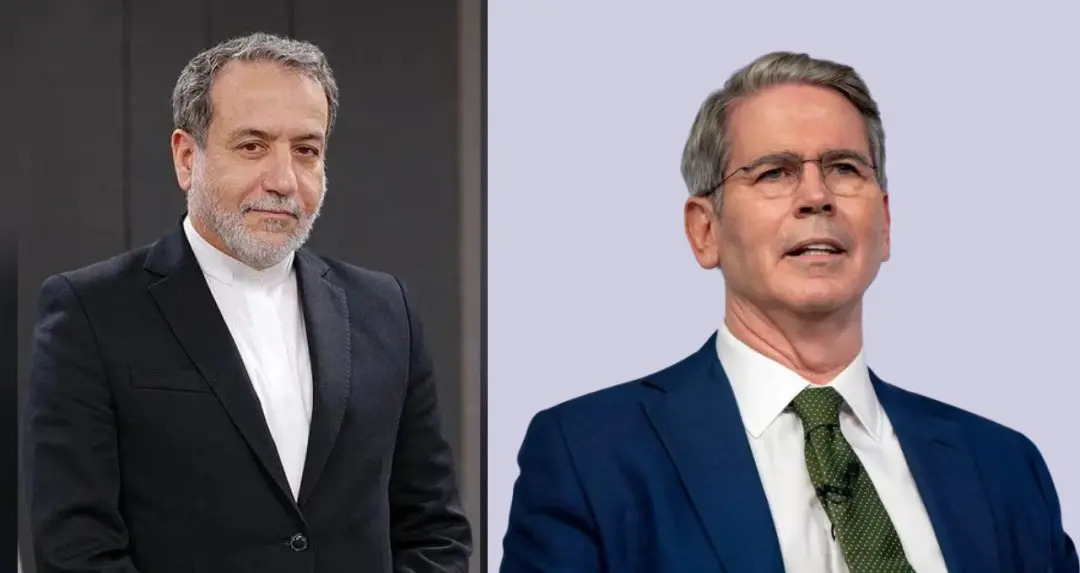
The United States and Iran are holding discussions on the Strait of Hormuz, raising expectations of a possible agreement aimed at restoring normal maritime navigation through one of the world's most important sea trade routes. U.S. Treasury Secretary Scott Bessent indicated that an agreement between the two countries to normalize shipping through the waterway could be reached soon.
U.S. Secretary of State Marco Rubio said the current discussions are limited to ensuring the safe passage of vessels through the Strait of Hormuz. He clarified that negotiations concerning Iran's nuclear program will be conducted separately. The United States reiterated that its long-term objective remains the complete elimination of Iran's nuclear program.
Iran confirmed that it is considering a safe and temporary maritime arrangement with Oman for vessel movement through the Strait of Hormuz. Under the proposed arrangement, Iran would monitor and control vessels entering the strait, while Oman would clear departing vessels through an alternative route. Oman would coordinate with Iran before granting final clearance to any vessel.
According to experts, if implemented, the arrangement could provide temporary relief for maritime trade in the region, although its success would depend on trust and security cooperation between the two countries.
Marco Rubio said the objective of the Strait of Hormuz discussions is solely to restore normal global maritime trade. He stated that there has been no change in U.S. policy regarding Iran's nuclear program and that Washington continues to seek its complete elimination through separate negotiations.




According to analysts, the United States is seeking to convey that maritime security and the nuclear dispute are separate issues, and that progress on one does not indicate a change in its position on the other.
The Strait of Hormuz is a strategic maritime passage connecting the Persian Gulf to the Arabian Sea. A significant share of the world's seaborne crude oil supply passes through the route. Any disruption to navigation through the strait has a direct impact on international oil markets, energy supplies, and the global economy.
Recent regional tensions and concerns over shipping security have contributed to volatility in oil markets, making the ongoing discussions among the United States, Iran, and regional countries significant for global trade.
Following reports of a potential agreement, international oil markets recorded declines. U.S. WTI crude oil prices fell by about five percent to around $76 per barrel, while Brent crude dropped below $80 per barrel.
Experts said investors expect that if shipping through the Strait of Hormuz returns to normal, disruptions to global oil supplies could ease, reducing pressure on prices.
Defence and security experts said reopening the maritime route alone would not be sufficient to restore normal international trade. They said shipowners, insurers, and commercial institutions would also require confidence that vessels will not face future attacks.
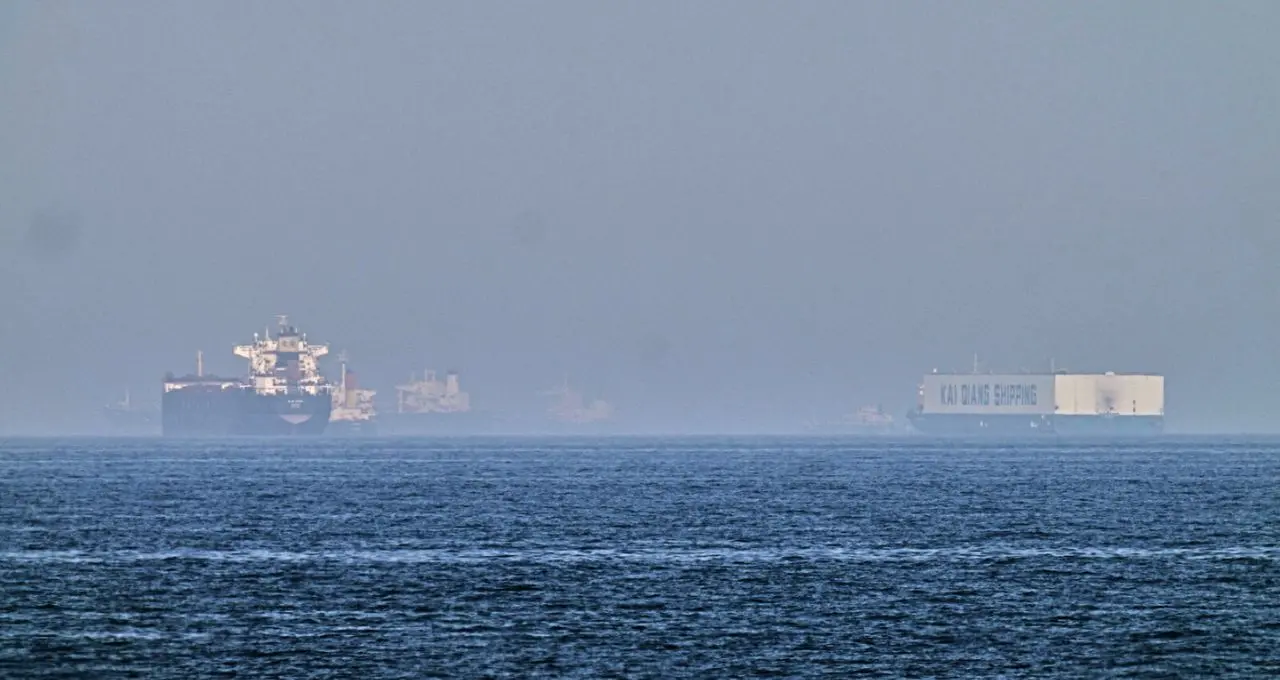
According to former U.S. defence officials, Iran would need to publicly assure that it will not target neutral commercial or civilian vessels. Without such assurances, insurance companies could increase premiums or refuse coverage, making maritime transportation more expensive.
Experts said maritime trade depends not only on the availability of ships but also on insurance systems. In conflict-prone regions, insurers typically charge higher premiums when risks increase, raising the cost of transporting oil and other goods and ultimately affecting consumers worldwide.
They said that establishing lasting stability in the Strait of Hormuz would require not only a political agreement but also the restoration of commercial confidence.
Iran is also facing political developments domestically, with some lawmakers preparing impeachment proceedings against Foreign Minister Abbas Araghchi. They allege that a potential agreement with the United States could affect the country's strategic interests.
Separately, some international media reports have claimed that the Iranian President's role in matters related to security, foreign policy, and the nuclear program is being limited. However, these claims have not been independently verified.
Amid regional tensions, an Indian-flagged commercial vessel was attacked in the Red Sea and subsequently sank. All 13 Indian nationals on board were rescued safely. The incident renewed concerns over the security of maritime routes in West Asia.
If the United States and Iran reach either a temporary or permanent agreement on the Strait of Hormuz, the global energy market could benefit from greater stability. Stable oil prices could reduce costs across transportation, manufacturing, and other industries.
Conversely, if negotiations fail or regional tensions escalate again, renewed volatility could emerge in energy markets.
Global attention remains focused on the ongoing discussions among the United States, Iran, and Oman, as their outcome could have implications extending beyond West Asia to global trade, energy security, and the international economy.


