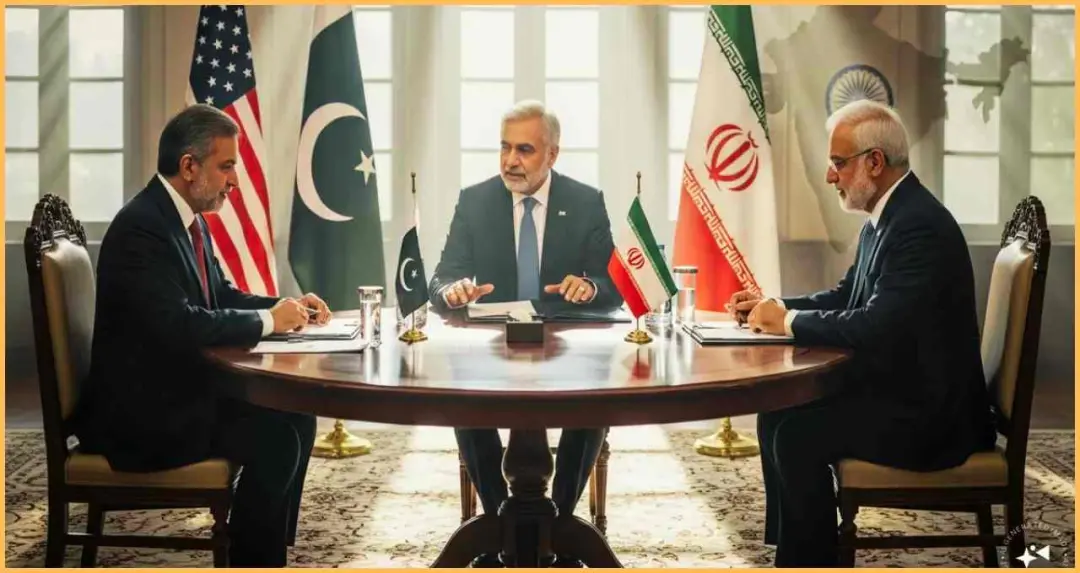
A second round of talks between the United States and Iran is set to resume under Pakistan’s mediation, with an Iranian delegation led by Foreign Minister Abbas Araghchi arriving in Islamabad.
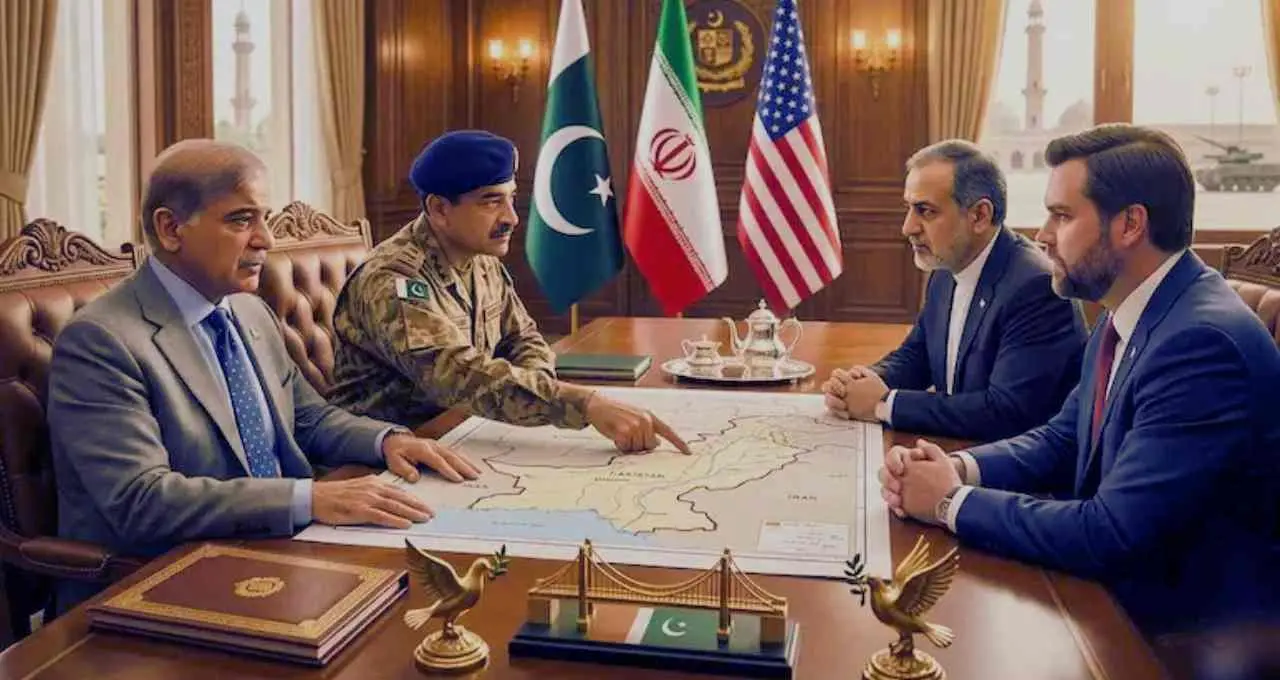
A high-level Iranian delegation led by Abbas Araghchi has reached Islamabad for the talks. During the visit, meetings are expected with Pakistan Prime Minister Shehbaz Sharif and Army Chief General Asim Munir. Pakistan Foreign Minister Ishaq Dar shared images of the Iranian delegation on social media, showing the presence of Pakistani and Iranian officials. Pakistan is acting as a mediator in the process and is seeking to facilitate dialogue between the two countries.

Iran’s Foreign Ministry has stated that there are no plans for any direct meeting between Iran and the United States. Ministry spokesperson Esmail Baghaei said Iran will convey its proposal to the United States through Pakistan. He added that the objective of the Iranian delegation is to advance efforts aimed at ending regional tensions and conflict. Iran also accused the United States of turning the current situation into what it described as an “imposed war on Tehran.”
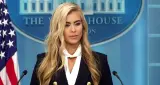
Reports indicate that a US delegation may arrive in Islamabad, with the possible participation of Special Envoy Steve Witkoff and Jared Kushner. White House Press Secretary Karoline Leavitt said the discussions would take place directly, with Pakistan acting as mediator. She added that Vice President JD Vance is coordinating from Washington with Secretary of State Marco Rubio and the national security team.
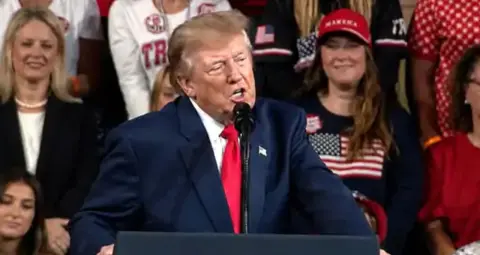
US President Donald Trump stated ahead of the talks that Iran is preparing to present a proposal that could include some of Washington’s key demands. “They are giving a proposal and we’ll see,” Trump said, adding that he has not yet received detailed information about the proposal.
The Trump administration has indicated that any potential agreement would include restrictions on Iran’s enriched uranium programme and measures to ensure the safe and uninterrupted movement of oil through the Strait of Hormuz. The United States also expressed concerns regarding Iran’s leadership, suggesting that political differences within Tehran could affect the talks. Trump said the United States is engaging only with those currently in power, without naming individuals.
The talks are taking place at a time when West Asia is facing multiple security and geopolitical challenges. The security of energy routes, particularly the Strait of Hormuz, is considered a key issue in the discussions.