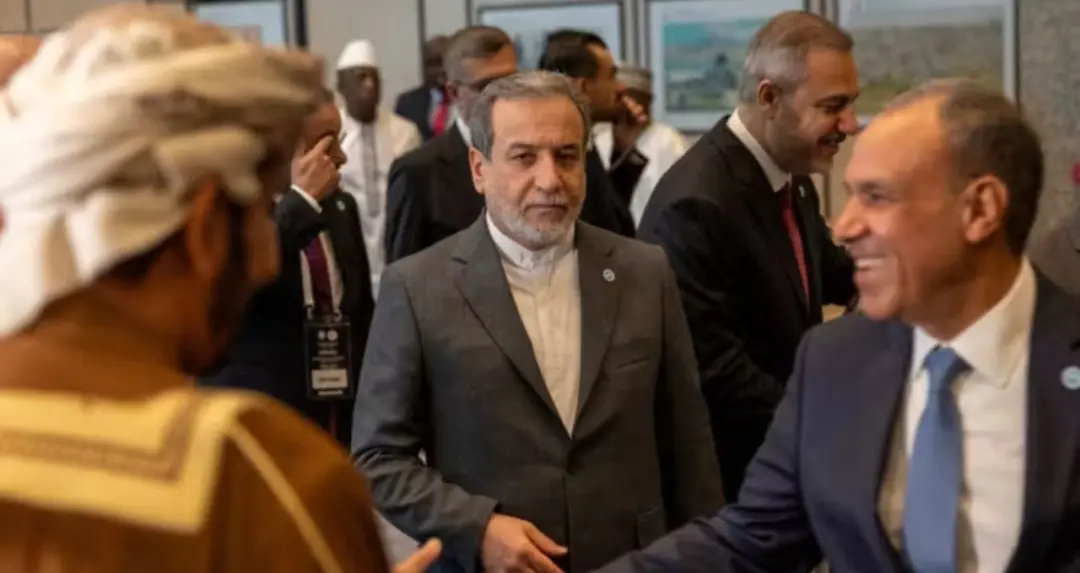
According to a report by The New York Times, the United States warned Iran during nuclear negotiations held in April about a potential Israeli plot targeting members of the Iranian delegation. The report claims that Iranian Foreign Minister Abbas Araghchi and Parliament Speaker Mohammad Bagher Ghalibaf were considered possible targets.
The report states that during the nuclear and regional security talks between the United States and Iran, the U.S. feared that Israeli action against Iranian representatives could disrupt the negotiations. It says Washington conveyed a warning to Tehran through regional partner countries, urging vigilance over potential security threats.
According to the report, the U.S. administration was particularly concerned about the safety of Foreign Minister Abbas Araghchi and Parliament Speaker Mohammad Bagher Ghalibaf. However, the claim has not been officially confirmed by the United States, Iran, or Israel.
The report says the U.S. administration's priority at the time was to ensure that negotiations with Iran continued. It states that any attack on senior Iranian officials participating in the talks could have halted discussions on Iran's nuclear programme, regional security, and maritime trade.
According to the report, another key objective of the U.S. strategy was to reduce tensions in the Strait of Hormuz and prevent disruptions to global energy supplies. It says that potential security risks were therefore treated with particular seriousness.
The report also claims that the Iranian delegation faced a possible security threat during a meeting in Pakistan. It states that Pakistani authorities escorted the aircraft carrying Iranian officials to Islamabad with fighter jets for security reasons.


According to the report, security alerts during the return journey forced the aircraft to make an emergency landing in Mashhad, after which the delegation travelled by road to Tehran. No detailed official statement on the reported incident has been issued by the governments concerned.
Following the recent talks in Doha, Qatar has indicated that the next round of negotiations between Iran and the United States could be held after the funeral of former Supreme Leader Ali Khamenei.
The report states that disagreements remain between the two countries on issues including the nuclear programme, sanctions, and security guarantees.
Iran has lodged a complaint against Israel at the United Nations, alleging that Israel threatened Iranian leaders and that such actions could affect regional peace and international security.
Tehran has asked the United Nations Security Council to intervene in the matter. Israel has not issued an official response to the allegation.
Iran has placed the country on heightened security alert ahead of the funeral of former Supreme Leader Ali Khamenei. According to Iranian government officials, representatives from more than 100 countries are expected to attend the ceremony.
Iranian officials have stated that millions of people may participate in the final tribute, prompting the deployment of additional military, police, and security personnel.
Pakistan's Interior Minister Syed Mohsin Naqvi has arrived in Tehran to attend the funeral. Iranian Foreign Ministry spokesperson Esmail Baghaei said senior representatives from multiple countries would participate in the ceremony.
Reports also indicate that Pakistani Prime Minister Shehbaz Sharif may attend the funeral. Pakistan has a large Shia population, and protests were reported in several cities following Khamenei's death.
Following the reported security threats from Israel, debate over Iran's nuclear policy has intensified within the country.
Iranian Parliament National Security Committee spokesperson Ebrahim Rezaei said the country should review its nuclear policy and agreements with the United States in light of the current situation. He stated that strategic policy changes could be considered if national security threats increase. The Iranian government has not announced any final decision on the matter.
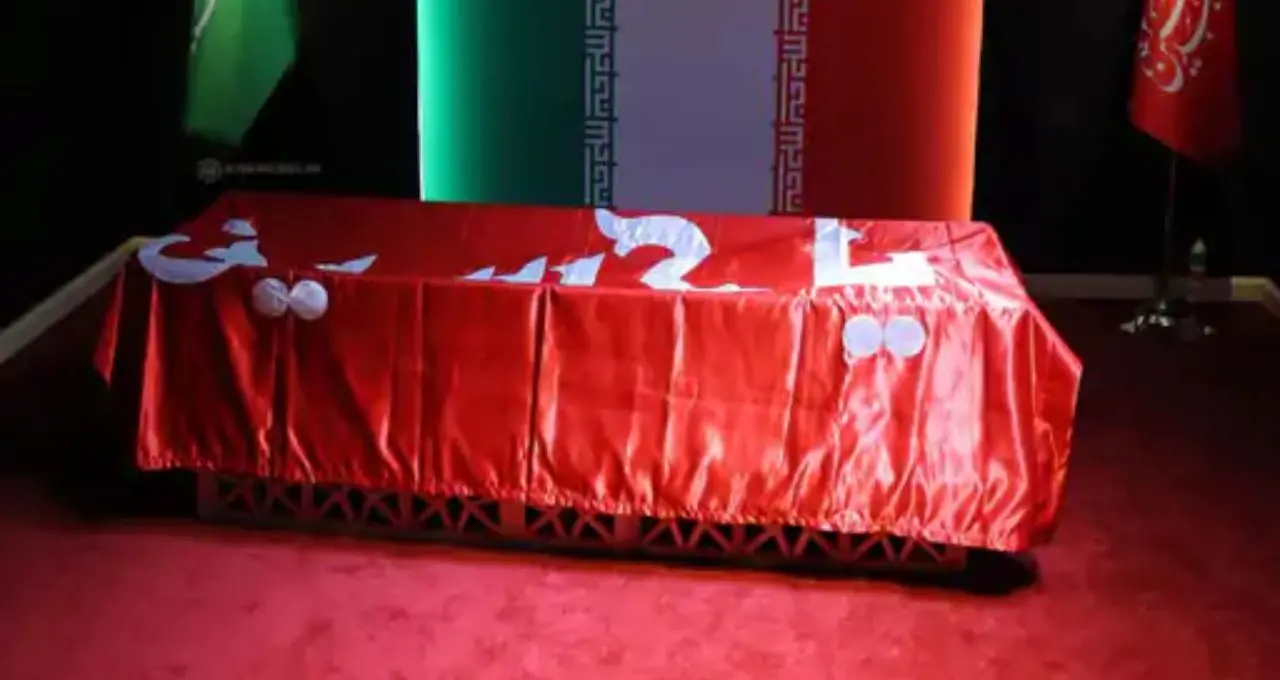
During Khamenei's farewell ceremony, a red flag from the Imam Reza shrine in Mashhad was placed on his coffin. In Shia tradition, the flag symbolizes martyrdom, sacrifice, and resistance against injustice.
Religious and political analysts cited in the source said the symbol was used to present Khamenei's death as martyrdom. His funeral is proposed to take place at the Imam Reza shrine complex in Mashhad.
Islamic Revolutionary Guard Corps (IRGC) Acting Commander Ahmad Vahidi appeared publicly for the first time since the recent conflict during the tribute ceremony in Tehran, where he paid his final respects to the former Supreme Leader.
Iran has reiterated that the Strait of Hormuz remains part of its security priorities and stated that external interference would not be accepted. It has also called on all vessels to follow designated maritime routes.
Iran has also decided to restrict access by inspectors from the International Atomic Energy Agency (IAEA) to nuclear facilities at Fordow, Natanz, and Isfahan. The move could increase international concerns regarding Iran's nuclear programme.
According to the report, the reported U.S. warning to Iran, uncertainty surrounding the nuclear negotiations, the diplomatic dispute at the United Nations, and Iran's evolving security strategy indicate that West Asia remains in a period of heightened sensitivity.
The report states that developments in U.S.-Iran negotiations, the United Nations' response, and diplomatic initiatives by regional countries will determine whether tensions ease or become more complex. It adds that the principal parties remain focused on maintaining security, diplomacy, and strategic balance.