US Commission on International Religious Freedom (USCIRF) has urged the US government to take measures against the Rashtriya Swayamsevak Sangh (RSS), including withholding diplomatic courtesies from its leaders and maintaining distance from high-level government meetings. The comments come ahead of RSS chief Mohan Bhagwat’s proposed visit to the United States, Canada and the United Kingdom.
USCIRF officials have called on the US administration to maintain a firm position on the RSS. USCIRF Chairman Asif Mahmood said Indian Prime Minister Narendra Modi is a member of the RSS and alleged that affiliated organisations have been accused of involvement in attacks against religious minorities. Referring to Bhagwat’s upcoming US visit, Mahmood urged the US government to adopt a strict approach towards the RSS.
USCIRF Commissioner Jean Mills also called on the US administration to clarify its position regarding RSS leaders. According to Mills, even when RSS-linked leaders are associated with the Indian government, they should not automatically be considered entitled to high-level meetings or diplomatic courtesies.
Mills said the US government should consider potential sanctions against RSS members who have been determined to bear responsibility for violations of religious freedom. The commission has also shared statements by its officials on the social media platform X.
The USCIRF recommendation does not mean that an immediate US ban on the RSS has been imposed. The commission advises the US government on religious-freedom issues and makes policy recommendations, while final decisions fall within the authority of the relevant US government institutions and administration.
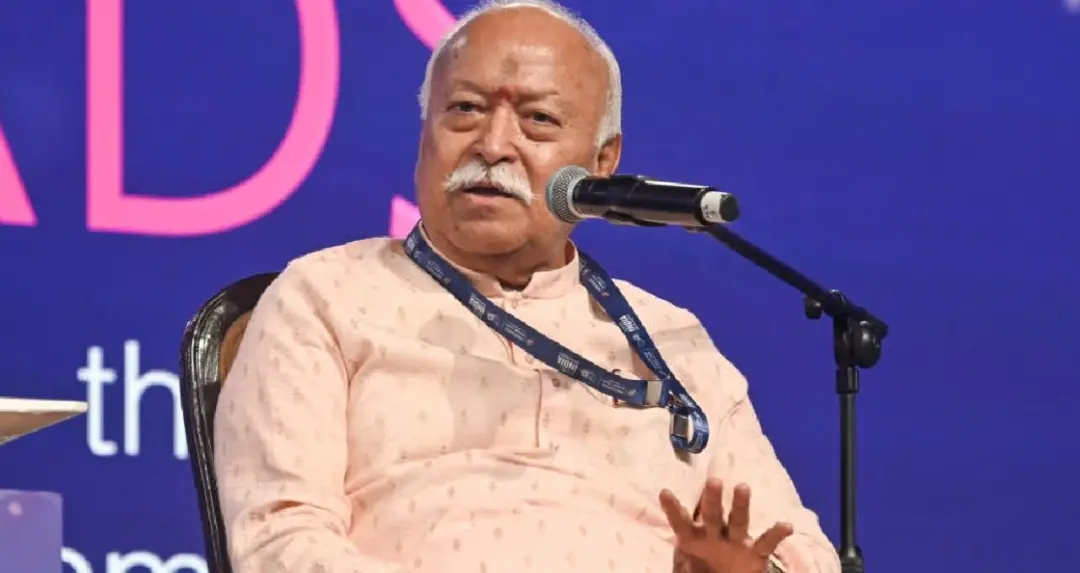
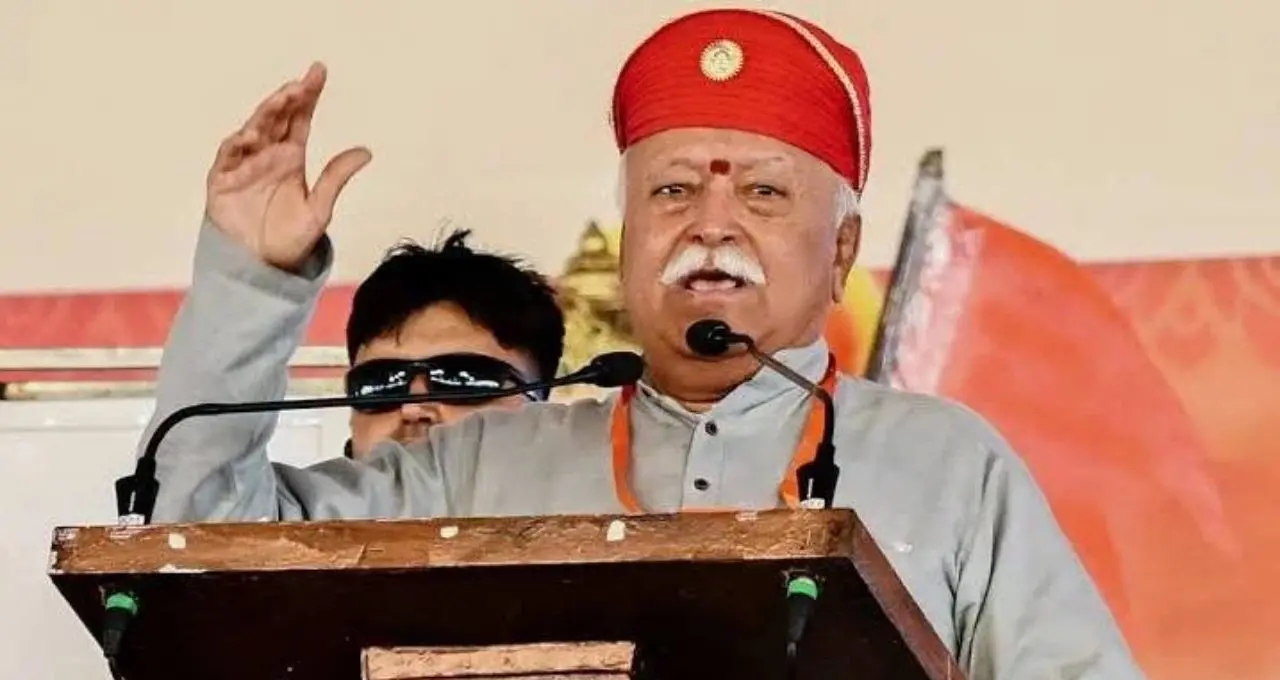
RSS chief Mohan Bhagwat is scheduled to visit the United States, Canada and the United Kingdom from August 25. His itinerary includes planned participation in programmes organised by various Indian diaspora organisations and communities. Bhagwat is also scheduled to attend the ‘Universal Oneness Celebrations’ organised by Americans Hindus for Engagement and Dialogue (AHEAD) in New York on August 29.


Bhagwat’s visit comes amid continued international commentary on religious freedom in India, the position of minorities and the role of the RSS. The latest USCIRF comments have added to the political and diplomatic debate surrounding his foreign tour.
In Canada, more than 100 organisations have supported Bhagwat’s proposed visit. The organisations sent letters to Canadian Prime Minister Mark Carney and government ministers opposing demands to prevent Bhagwat from entering the country.
The organisations said that before action is taken against an individual based on allegations, credible and independent evidence should be considered. They urged the Canadian government to make decisions on the basis of the law, available evidence and due process.
The development shows differences among groups in Canada over Bhagwat’s visit. While some organisations have questioned his entry, others have supported his right to visit the country.
The United States Commission on International Religious Freedom (USCIRF) is an independent federal government body in the United States. It was established by the US Congress under the International Religious Freedom Act of 1998. Its main role is to monitor religious freedom in countries around the world and advise the US government on cases involving religious persecution.
USCIRF studies religious-freedom conditions in different countries and makes policy recommendations to the US president, secretary of state and Congress through its reports. The commission can also recommend designating countries as Countries of Particular Concern (CPC) based on serious violations of religious freedom.
The commission can additionally recommend sanctions, diplomatic pressure or other policy measures against specific individuals or organisations. However, its recommendations do not automatically become US law or sanctions.
USCIRF is an independent government commission established by the US Congress rather than a private non-governmental organisation. Its members are selected through appointment mechanisms involving the US president and the leadership of the two major political parties in Congress.
Its reports and recommendations are therefore considered in the context of US foreign policy. However, USCIRF does not have executive authority to directly impose sanctions on a country or organisation. The US government must follow separate legal and administrative procedures before taking sanctions or other diplomatic action.
The latest USCIRF demand concerning the RSS is therefore a policy recommendation and does not represent an immediate US ban on the organisation.
India and USCIRF have previously expressed public differences over religious freedom. In March, a USCIRF annual report made serious observations about the state of religious freedom in India. The report mentioned recommendations for sanctions against the RSS and the Research and Analysis Wing (RAW), along with certain individuals and entities.
The Indian government rejected the report and accused USCIRF of damaging India’s image. The Indian side has said that the commission’s reports are based on questionable sources and one-sided ideological narratives.
India has also viewed USCIRF’s criticism as interference in the country’s internal affairs and questioned the commission’s impartiality.
The Indian Ministry of External Affairs had previously responded to USCIRF’s comments on India by raising incidents of vandalism at Hindu temples in the United States. On March 16, Ministry of External Affairs spokesperson Randhir Jaiswal said USCIRF should focus not only on its selective criticism of India but also on incidents involving religious places in the United States.
India has argued that incidents in all countries should be assessed using the same approach when evaluating religious freedom. The latest USCIRF recommendation has brought the existing differences between the two sides back into international discussion.
Following the latest USCIRF recommendation, attention will now be on the response of the US administration. The commission’s demand does not by itself impose US sanctions on the RSS. If the US government considers action against an organisation or individual, it would have to make a separate decision under the relevant laws and administrative procedures.
Bhagwat’s upcoming visit to the United States, Canada and the United Kingdom could also give the issue further international attention. USCIRF is calling for tougher measures against the RSS, while more than 100 organisations in Canada have supported Bhagwat’s visit. The source content states that debate over the RSS, religious freedom and India-US relations is expected to intensify in the coming days.