The weak sales of iPhone Air have cooled down the trend of thin phones in the smartphone industry. Apple, Samsung, and major Chinese companies have canceled or postponed their plans to introduce thin models. The lack of battery and camera features affected consumer interest, leading companies to decide to focus on traditional models.
Impact of Weak iPhone Air Sales: The sales of Apple's thin iPhone Air, launched in September 2025, did not meet expectations, causing the trend of thin models among smartphone manufacturers to cool down. Companies like Apple, Samsung, Vivo, Oppo, and Xiaomi have canceled or postponed their plans to launch thin phones. Consumers gave it lower priority due to deficiencies in battery and camera features, and now companies are focusing on traditional, thicker models.

Thin Phone Trend Cools Down
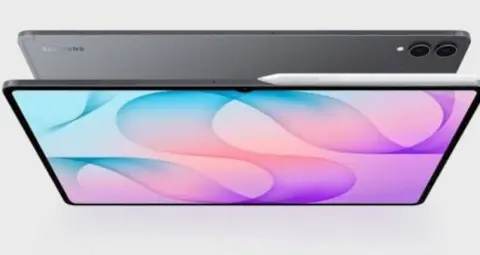
Launched in September 2025, the iPhone Air was considered Apple's thinnest smartphone, with a thickness of only 5.6mm. The company had high hopes for its sales, but its market reception was weak. Due to deficiencies in battery and camera features, consumers did not show the expected interest. Following weak sales, Apple reduced production, and plans for a second-generation variant have been postponed for now.

Chinese Companies Reduce Risk
Keeping an eye on iPhone Air sales, Chinese companies like Vivo, Oppo, and Xiaomi have canceled or put on hold their plans to introduce thin phones. Xiaomi's 'True Air model' and Vivo's mid-range S-series thin phone plans have been postponed for now. Companies will now focus on traditional, thicker models.
Samsung Also Not Immune
Like Apple, Samsung also had to bear the risk of thin smartphones. The Galaxy S25 Edge, launched earlier this year, did not sell as expected. Consequently, the company discontinued the Edge line and abandoned plans to relaunch it in the future.