Ayatollah Ali Khamenei's funeral ceremonies began on Friday after a delay of nearly four months. The events, scheduled to continue until July 9, are being held in Iran and are being presented by the country as more than a religious or state farewell.
According to the Iranian government, the ceremonies are intended to demonstrate the country's political stability, religious unity, and public support. Analysts say the events are taking place at a time when tensions in the Middle East, Iran's relations with the United States, and the regional balance of power remain central issues in international politics.
According to the Iranian state news agency IRNA, large numbers of people from across the country continue to arrive in Tehran. Officials estimate that millions of people could participate in the funeral and tribute ceremonies.


The coffins of Ayatollah Khamenei and several members of his family have been placed at Tehran's Grand Mosalla Mosque for public viewing. Khamenei's body has been wrapped in the Iranian national flag, while a red flag bearing the Shia inscription "Ya Hussain" has been placed on the coffin.
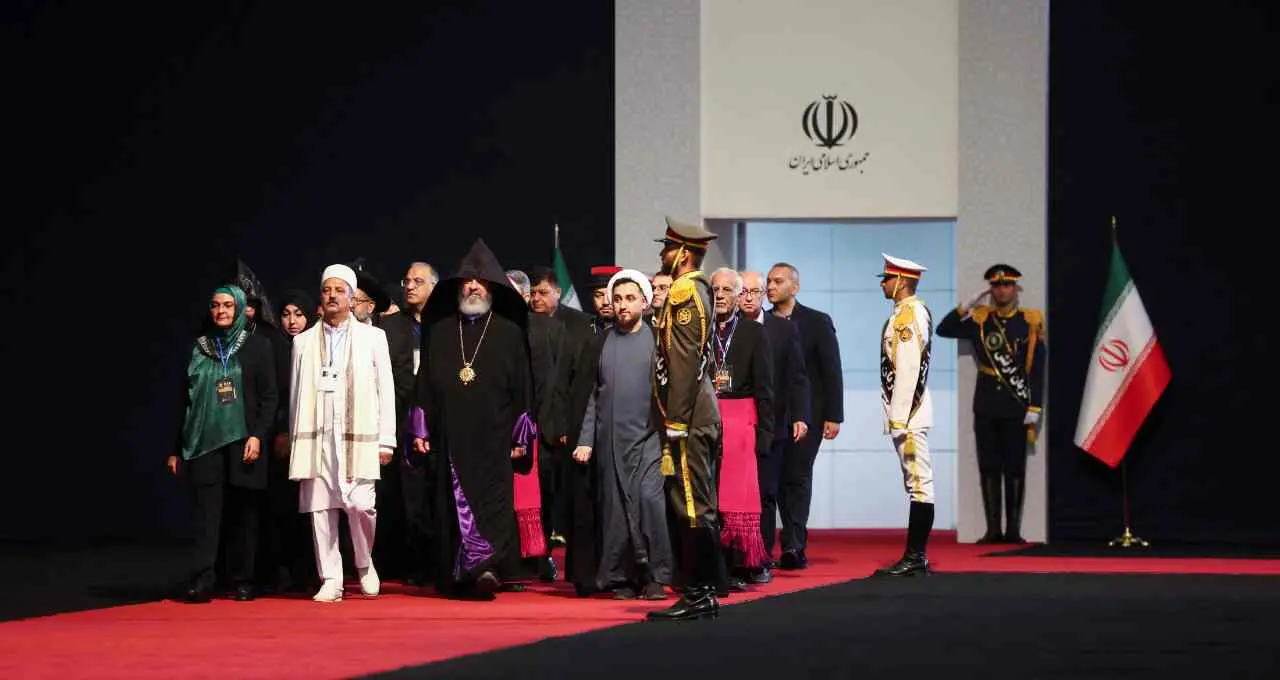
The Iranian government and religious leadership have urged citizens to attend the funeral ceremonies in large numbers. Analysts say the event is intended to convey to the international community that Iran's political and religious system remains intact despite external pressures and regional conflicts.
Analysts also say that amid recent tensions with the United States and Israel, Iran seeks to demonstrate its position through broad public participation as potential diplomatic negotiations and regional strategic issues continue to evolve.
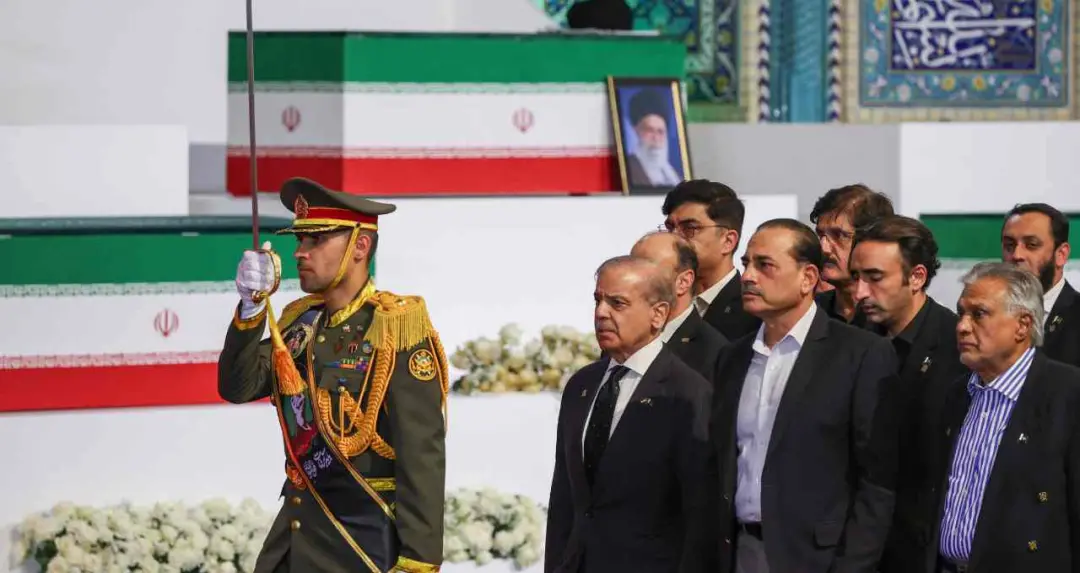
Iranian President Masoud Pezeshkian, Foreign Minister Abbas Araghchi, Parliament Speaker Mohammad Bagher Ghalibaf, Chief Justice Gholamhossein Mohseni Ejei, and several senior political and military leaders attended the tribute ceremony in Tehran. According to officials, current Supreme Leader Mojtaba Khamenei will not participate in public events due to security considerations, with his protection being given the highest priority.
According to Iranian authorities, government representatives from more than 30 countries and religious representatives from approximately 90 countries are expected to attend the funeral. Pakistan, Russia, China, Iraq, Oman, and Georgia have confirmed that they are sending official delegations. An official Indian delegation also arrived in Tehran and paid tribute. Religious leaders and political representatives from several countries are also participating in the ceremonies.
Extensive security arrangements have been put in place across Iran in anticipation of large crowds. Additional security personnel have been deployed in Tehran and other major cities, and special crowd management measures have been implemented. Security agencies are maintaining heightened vigilance following crowd-related incidents during the 1989 funeral of Ayatollah Ruhollah Khomeini and the later funeral of General Qasem Soleimani. Authorities say modern surveillance systems and expanded security management are being used to prevent similar situations.
According to the international news agency Reuters, Ayatollah Khamenei's body had been preserved for the past four months in a temperature-controlled forensic cold storage facility. As Islamic tradition does not permit chemical preservation, only cold storage technology was used. Shia religious scholars granted permission to delay the funeral and preserve the body at low temperatures because of exceptional circumstances.
The funeral is being conducted in multiple stages. Following the public tribute in Tehran, the funeral procession will travel through different parts of the country before reaching the religious city of Qom. Tribute ceremonies will then be held in the Iraqi cities of Najaf and Karbala, which are home to sites regarded as highly sacred by the Shia community.