A cyber fraud attempt targeting a resident in Bihar's Begusarai was averted after the individual refused to share confidential banking information during a phone call from a person posing as a bank official.
According to the information provided, the youth received a call from an unidentified number. The caller introduced himself as an official of a private bank and claimed that a health insurance policy was being activated in the recipient's name. The caller said certain formalities had to be completed to avail the policy benefits and that verification of the bank account was required.

During the conversation, the caller repeatedly pressured the youth to share details of his bank account, debit card and the One-Time Password (OTP) received on his mobile phone. The caller also claimed that failure to complete the process could result in additional charges being deducted from the account or the insurance facility being discontinued. Although the conversation initially appeared routine, the youth became suspicious when the caller persistently sought confidential banking information and OTP details.
The youth immediately refused to disclose any personal information and disconnected the call. He then contacted the official customer service of the concerned bank to verify the matter. Bank officials clarified that banks never ask customers over the phone to share confidential information such as OTPs, card numbers, CVV, UPI PINs or internet banking passwords. The clarification confirmed that it was an attempted cyber fraud.
Following the incident, the youth advised his family members and acquaintances to remain cautious about such calls. The incident was also discussed locally, with people describing it as a new tactic adopted by cyber criminals.
Cyber experts said fraudsters are increasingly attempting to deceive people by making calls related to health insurance, KYC updates, credit card rewards, bank account closure, pensions, gas subsidies, electricity bills and government schemes. They often introduce themselves as bank employees, insurance company officials or representatives of government departments to gain people's trust before obtaining confidential information and withdrawing money from bank accounts.
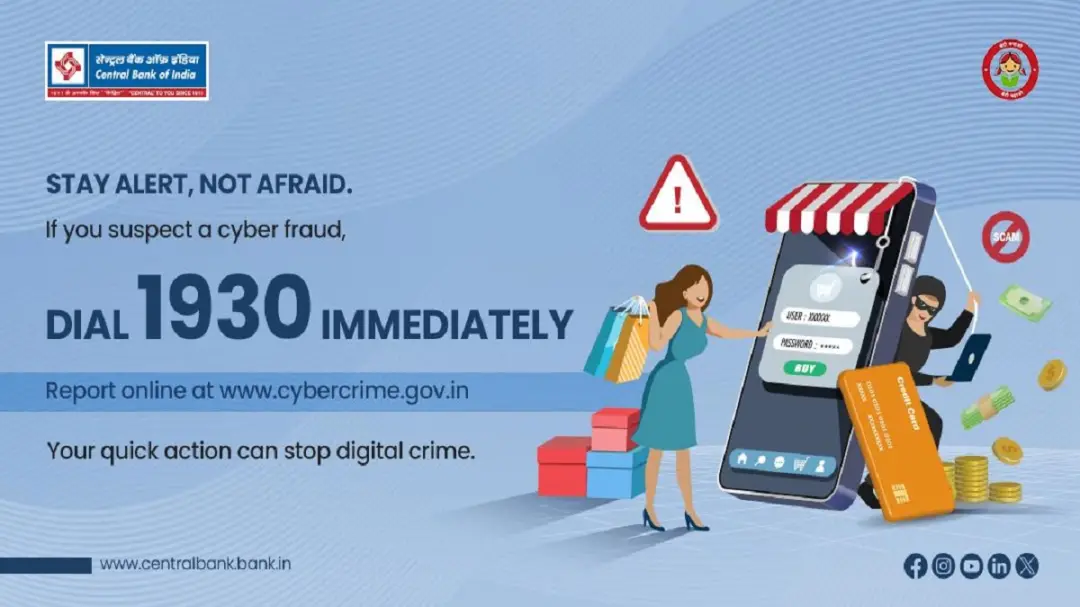
Police and the cyber cell have appealed to the public not to share banking information with unknown callers. They advised that anyone receiving requests through phone calls, SMS, WhatsApp or email for OTPs, UPI PINs, card numbers, CVV or passwords should immediately block the sender and report the matter through the cyber helpline 1930 or the National Cyber Crime Portal.
Officials also said that anyone who becomes a victim of cyber fraud should file a complaint without delay. They stated that when complaints are received at an early stage, there is a greater possibility in many cases of stopping the transaction and facilitating the return of the money.