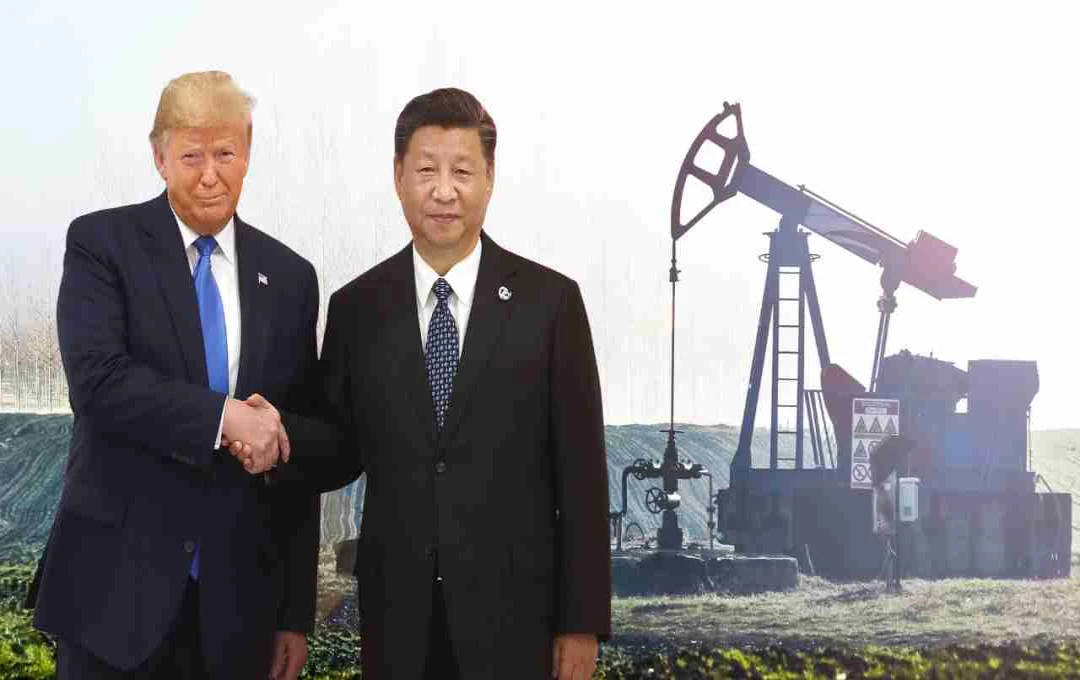
News of progress in US-China trade talks led to a surge in crude oil prices on Monday. Brent crude rose above $66 per barrel, and WTI reached close to $62. Hopes for an agreement between the two nations have bolstered global energy demand and investor confidence.
Crude Oil: On Monday, a surge in crude oil prices was observed in the international market, following reports of positive progress in trade deal discussions between the US and China. Brent crude was trading above $66 per barrel, and WTI was around $62. The impending meeting between the leaders of both countries and statements from US Treasury Secretary Scott Bessant have heightened hopes for relief in the global economy. Furthermore, the imposition of sanctions by the US on Russian oil companies and a reduction in imports by India and China also stirred market activity.
Oil Market Enthusiastic Over Trade Deal News
In recent days, talks between the US and China have intensified. Senior representatives from both nations have agreed on several contentious issues. This positive indication has strengthened the oil market. On Monday, Brent crude prices surpassed $66 per barrel, while West Texas Intermediate (WTI) crude was seen trading at approximately $62 per barrel.


Analysts state that the primary reason for this rally is that investors are no longer as concerned about global demand as they once were. The economies of the US and China are the world's largest energy consumers. If a trade deal materializes between them, it is expected to boost trade and industrial activities, consequently increasing oil consumption.
Investor Confidence Returns
Following the positive developments in trade talks, investor confidence has returned to riskier assets. A bullish trend was observed in oil, stock markets, and industrial metals. Experts believe that investors who had been moving towards safer options in recent months due to recession fears are now beginning to return to riskier markets.
The impact of this news was clearly visible in Asian markets as well. Stock markets in countries like Japan, China, and India registered a surge. Meanwhile, the Dollar Index saw a slight dip as investors withdrew funds from the US currency and shifted towards commodity and equity markets.
Eyes on Trump-Xi Jinping Meeting
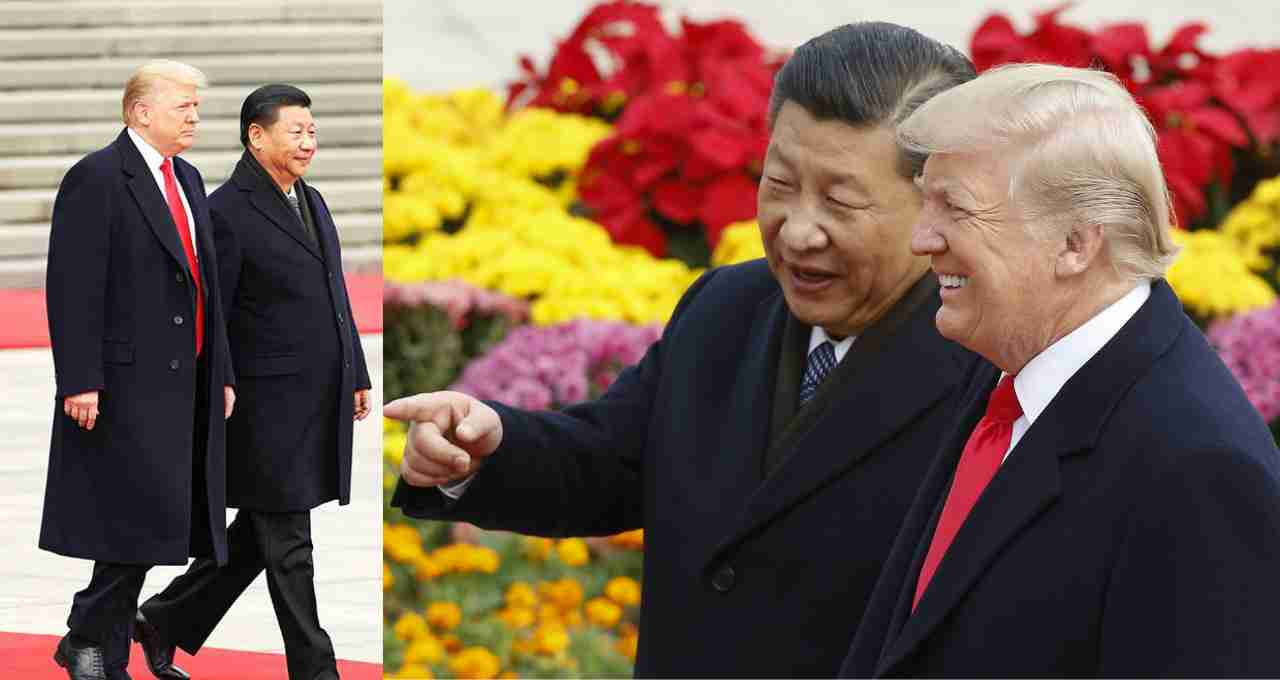
The meeting between the heads of state of both nations, Donald Trump and Xi Jinping, is scheduled for this week. According to reports, both leaders will hold talks together on Thursday. Prior to this, their representatives had reached agreements on several points.
US Treasury Secretary Scott Bessant stated in an interview with CBS News that the Trump administration has "removed from the table" the 100 percent tariffs imposed on China. This means these tariffs will now be reconsidered. This news came as a relief for the global economy.
Impact of US Sanctions on Russia Also Felt
Another reason for the surge in oil prices is the new sanctions imposed by the US on two major Russian oil companies. The US administration has sanctioned Rosneft PJSC and Lukoil PJSC. The objective of these sanctions is to limit Russia's energy supply and complicate its international trade activities.
Although these sanctions have not immediately caused a supply crisis, the market has received a signal that the availability of Russian oil might decrease in the future. This apprehension has pushed oil prices upwards.
India and China Reduce Imports from Russia
According to reports, major oil-importing countries like India and China have reduced their crude oil imports from Russia. Several Indian refiners have stated that they might limit incoming cargoes from Russia to almost zero in the coming months. Meanwhile, China has also postponed some deliveries.
This shift has directly impacted the demand for alternative oil sources. Asian countries are now looking towards suppliers from West Asia, Africa, and Latin America. This is opening new opportunities for oil producers in those regions.