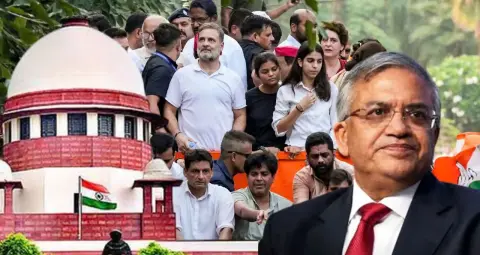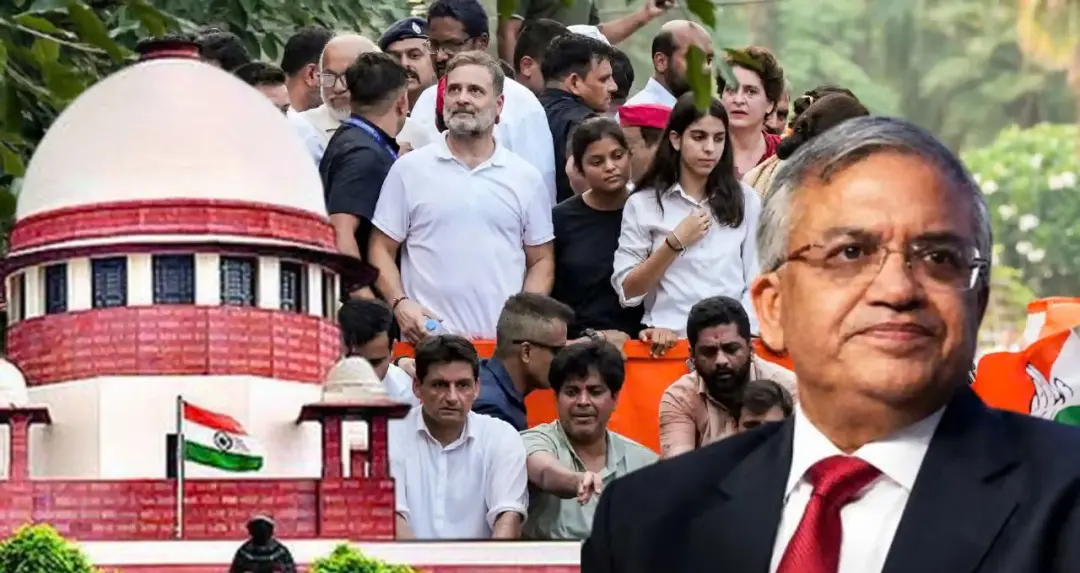
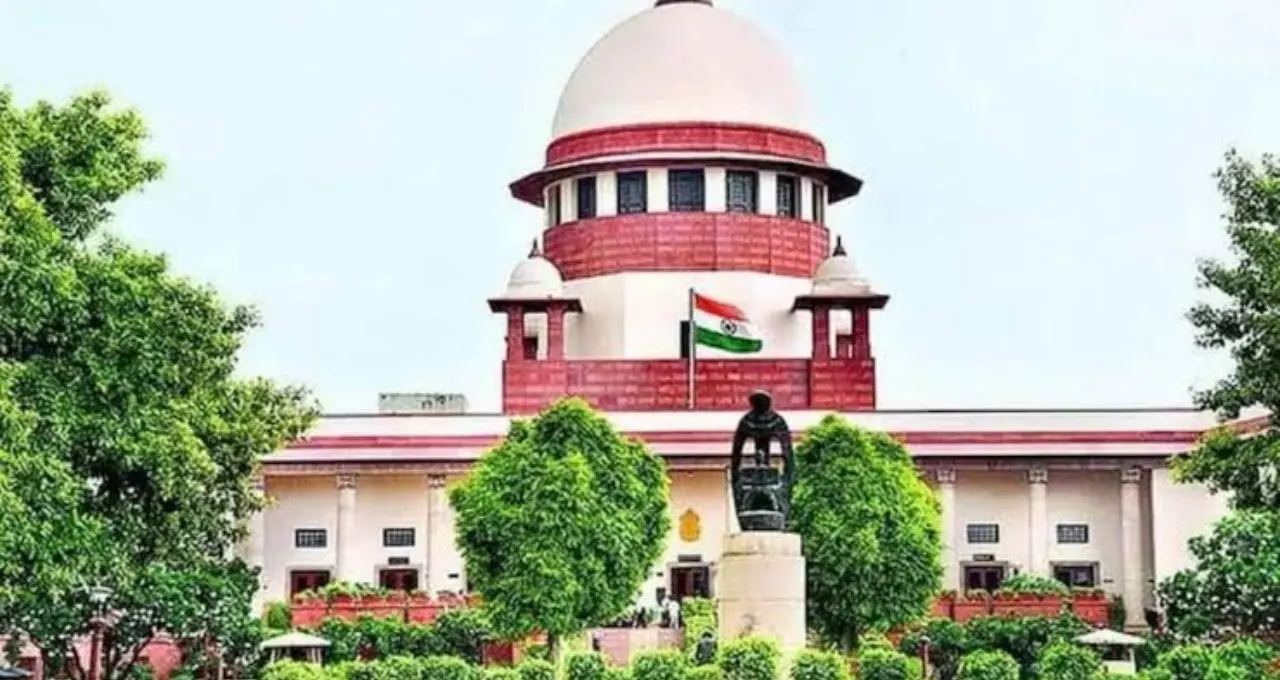
The Supreme Court on October 15 issued directions in cases concerning protests in Delhi, police action, journalists’ rights and the Election Commission’s Special Intensive Revision (SIR) of electoral rolls. A bench comprising Chief Justice Surya Kant and Justice Joymalya Bagchi heard several petitions and sought responses from the parties concerned.
The court directed that petitions be organised into separate groups, digital evidence be preserved and interim relief be granted in certain cases. Further hearings in the matters have been scheduled for October and November.
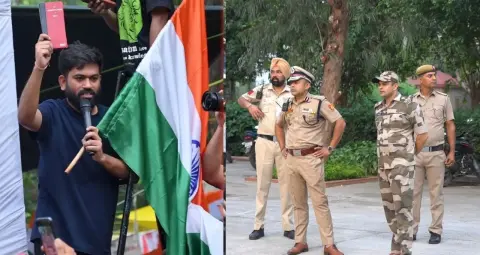
The Supreme Court has scheduled November 3 for the next hearing in several cases concerning protests in Delhi, police action and the designated protest site at Jantar Mantar. The court issued notices to the Central government, seeking responses in the matters.
The petitions raise issues relating to the right to protest, police action and administrative restrictions. To streamline the proceedings, the court directed lawyers representing the petitioners and the Central government to appoint nodal advocates.


The nodal advocates must organise petitions raising similar issues into separate groups by October 28, enabling the relevant responses to be filed for each group.
In cases concerning protests and police action, the Supreme Court directed that available CCTV footage and other digital evidence be preserved. It also stated that private parties possessing evidence relevant to the cases could submit it through the judicial process.
The Central government was additionally directed to place before the court the relevant orders issued under Section 163 of the Bharatiya Nagarik Suraksha Sanhita (BNSS). These include the order dated August 23, 2026, and other relevant orders.
The directions seek to preserve the available records and evidence during the proceedings.
The next hearing in cases concerning the Special Intensive Revision (SIR) of electoral rolls has been scheduled for October 27. The Supreme Court issued notices on the relevant petitions and sought responses. It also directed that the petitions be tagged with a previously pending case.
The same group of matters also refers to a petition involving Shiv Sena (UBT) MP Sanjay Raut. According to the available information, the court has sought clarification regarding his conduct and remarks concerning the Chief Justice and the judiciary. The clarification has also been made a condition in the process of considering the petition for admission.
The Supreme Court issued interim directions in a case concerning a complaint of alleged molestation involving a woman journalist. The court directed that no coercive action be taken against the journalist for the time being.
The next hearing has been scheduled for November 5. The court issued a notice to the Central government and directed it to file its response within two weeks. The allegations and responses from the parties concerned will be considered during the subsequent judicial proceedings.
The Supreme Court has scheduled November 19 for hearing a challenge to the constitutional validity of Section 172 of the Bharatiya Nagarik Suraksha Sanhita. Two petitions challenging prohibitory orders issued under Section 163 have also been listed for hearing on the same date.
The court will consider the relevant legal provisions, their application and the objections raised by the petitioners. A final decision will be based on the hearings and the available legal record.