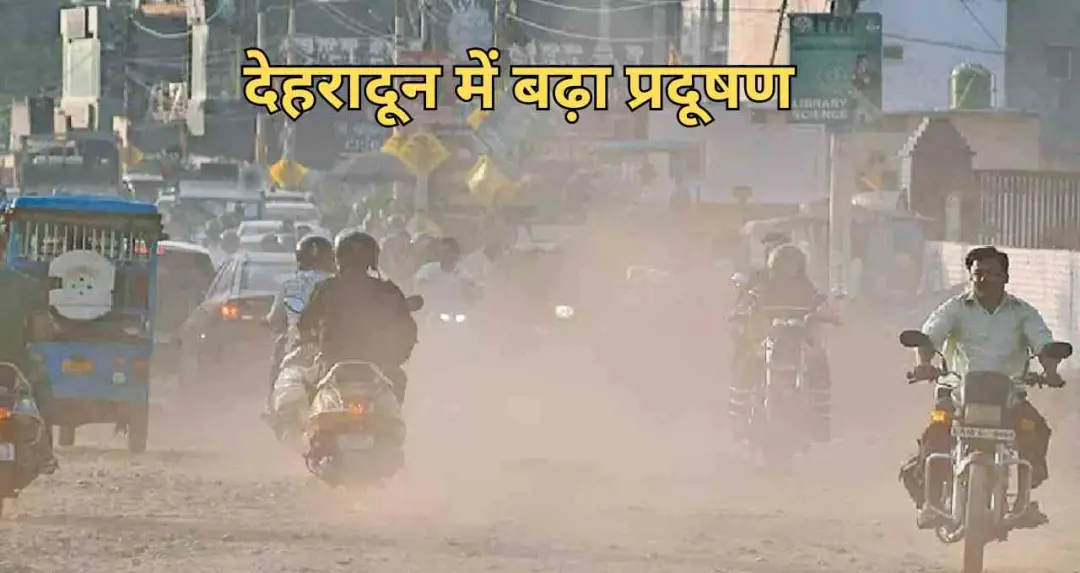
Dehradun is witnessing the visible impact of rapid urbanisation and rising pollution levels on both the environment and public health. Experts believe that deteriorating air and water quality are increasing the risk of several serious health conditions.
Once known for its clean air and natural surroundings, the Doon Valley is now facing growing environmental challenges. Rising population, unregulated construction, increasing vehicle numbers and mounting pressure on water resources have intensified pollution concerns. The effects are increasingly being reflected in public health indicators.
Over the past two decades, Dehradun has experienced significant urban expansion. The development of new residential areas, commercial complexes and infrastructure projects has rapidly altered the city’s geographical landscape. Alongside this pace of development, the challenge of maintaining environmental balance has also increased.

Experts say that shrinking green cover, dust generated by construction activities and the growing number of vehicles have affected air quality. Due to the valley’s geographical characteristics, pollutants tend to remain trapped in the atmosphere for extended periods, further worsening the situation.
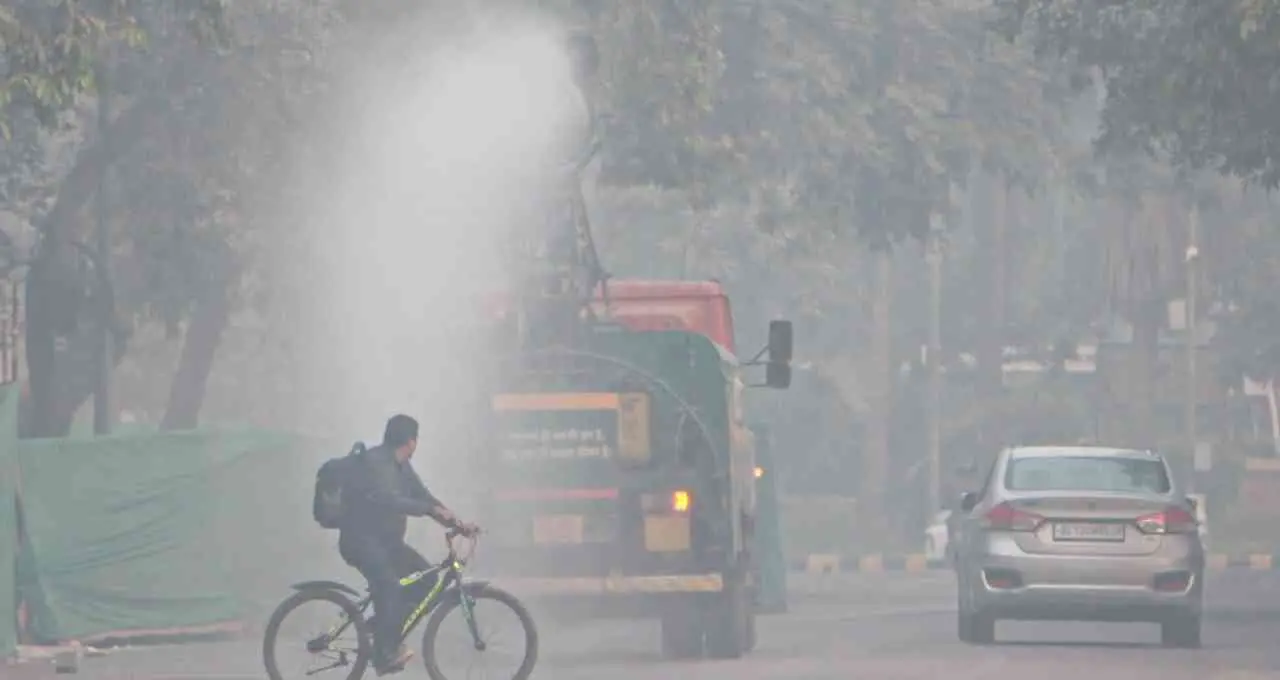
Concerns over Dehradun’s air quality have been raised repeatedly in recent years. Fine particulate matter and other harmful pollutants can adversely affect the respiratory system. According to health experts, prolonged exposure to polluted air may increase the risk of problems related to the lungs, heart and other organs.
The rise in the number of patients suffering from respiratory illnesses in hospitals has added to these concerns. However, experts also clarify that diseases such as cancer have multiple causes and pollution alone cannot be considered the sole reason behind them.
Major rivers and water streams in Dehradun are also facing environmental pressure. Urban expansion, sewage discharge and other human activities have affected the quality of several water sources.
Environmental experts state that failure to conserve water resources could also affect groundwater and drinking water quality. Long-term use of contaminated water may create multiple health risks.
Concerns are also being expressed over the rise in cases of serious illnesses reported at healthcare institutions. Doctors believe that the combined impact of lifestyle, dietary habits, tobacco consumption and environmental factors is affecting public health.
In this context, regular health check-ups, a clean lifestyle and measures to reduce exposure to pollution have become increasingly important. Experts advise the use of masks, access to clean drinking water and regular exercise as precautionary measures.
Environmentalists believe that formulating plans alone is not sufficient and that effective implementation is equally important. Measures such as protecting green spaces, promoting public transport, monitoring construction activities and cleaning water sources could help improve the situation.
Dehradun has long been identified with natural beauty and a better quality of life. Environmentalists say that preserving this identity will require serious and coordinated efforts by the administration, experts and citizens. Such measures will be essential to ensure a healthy and safe Doon Valley for future generations.