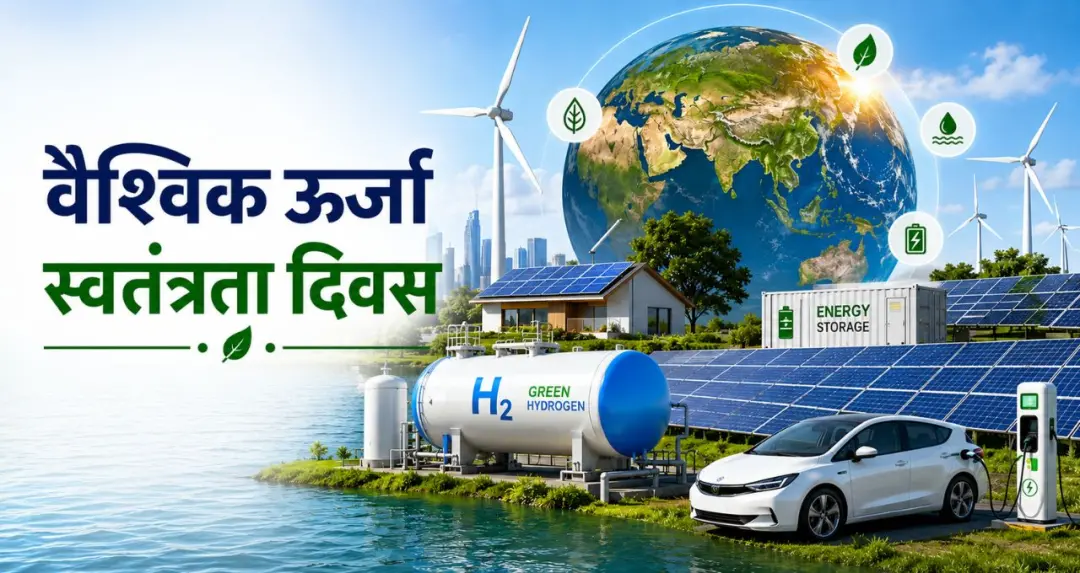
Global Energy Independence Day, observed every year on July 10, promotes the transition towards clean, secure and self-reliant energy systems. The day encourages countries to reduce dependence on fossil fuels, expand clean energy sources and strengthen energy self-sufficiency amid climate change, rising energy demand and global geopolitical tensions.
Energy independence extends beyond domestic electricity generation. It refers to developing an energy system that is not heavily dependent on imported oil, gas and coal. The objective is to maximise the use of local resources, expand renewable energy, improve energy efficiency and build a sustainable energy system through modern technologies. Such a system reduces the economic impact of global crises or supply disruptions.
India has made considerable progress in the renewable energy sector in recent years. The expansion of solar and wind energy projects, the establishment of large solar parks and increased investment in green energy have placed the country among the world's leading producers of clean energy. The government's objective is to continue increasing non-fossil fuel-based power generation capacity in the coming years to strengthen energy security while reducing carbon emissions.
To achieve energy independence, India is investing on a large scale in green hydrogen, energy storage systems, battery manufacturing and electric mobility. Through the National Green Hydrogen Mission, the country is working towards becoming a global hub for clean fuel. The development of battery storage and smart grid technologies is also supporting more effective utilisation of renewable energy.
Heavy dependence on energy imports places an additional financial burden on any country's economy. Fluctuations in international crude oil and natural gas prices directly affect inflation, industries and consumers. Meeting a larger share of energy demand through domestic and clean sources helps conserve foreign exchange, creates new employment opportunities and provides industries with a stable energy supply. For this reason, energy independence is also linked to economic self-reliance.
Excessive use of fossil fuels increases greenhouse gas emissions, a primary cause of global warming and climate change. Global Energy Independence Day promotes greater use of solar, wind, hydro, biomass and other clean energy sources to support environmental protection. Increased adoption of these sources can reduce air pollution, enable balanced use of natural resources and help ensure a better environment for future generations.
Energy independence is not solely the responsibility of governments and industries. Citizens can also contribute by conserving electricity, using energy-efficient appliances, adopting LED lighting, promoting public transport, using solar energy and reducing unnecessary energy consumption. Collective efforts at the individual level can contribute substantially to national energy conservation and environmental protection.
Experts believe the global energy system will undergo rapid transformation in the coming years. Artificial intelligence-based energy management, smart grids, large battery storage systems, electric vehicles, green hydrogen and decentralised energy generation are expected to define future energy systems. Countries that adopt these technologies in time are expected to advance in both energy security and economic competitiveness.
Global Energy Independence Day serves not only as a symbolic observance but also as an opportunity to focus on future energy policy. Self-reliance in the energy sector provides countries with economic strength, environmental balance and strategic security.
India's progress in clean energy, green technology and energy efficiency reflects efforts to secure the country's energy requirements while strengthening its role in the global energy transition. The objective of energy independence can be achieved through sustained cooperation among governments, industries and society to build a sustainable, clean and self-reliant energy system.