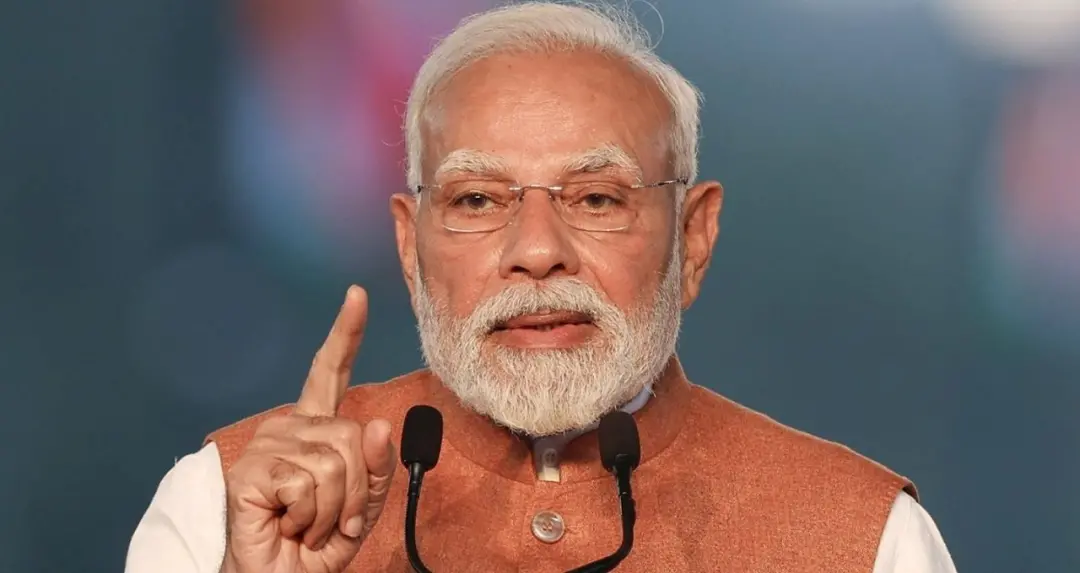
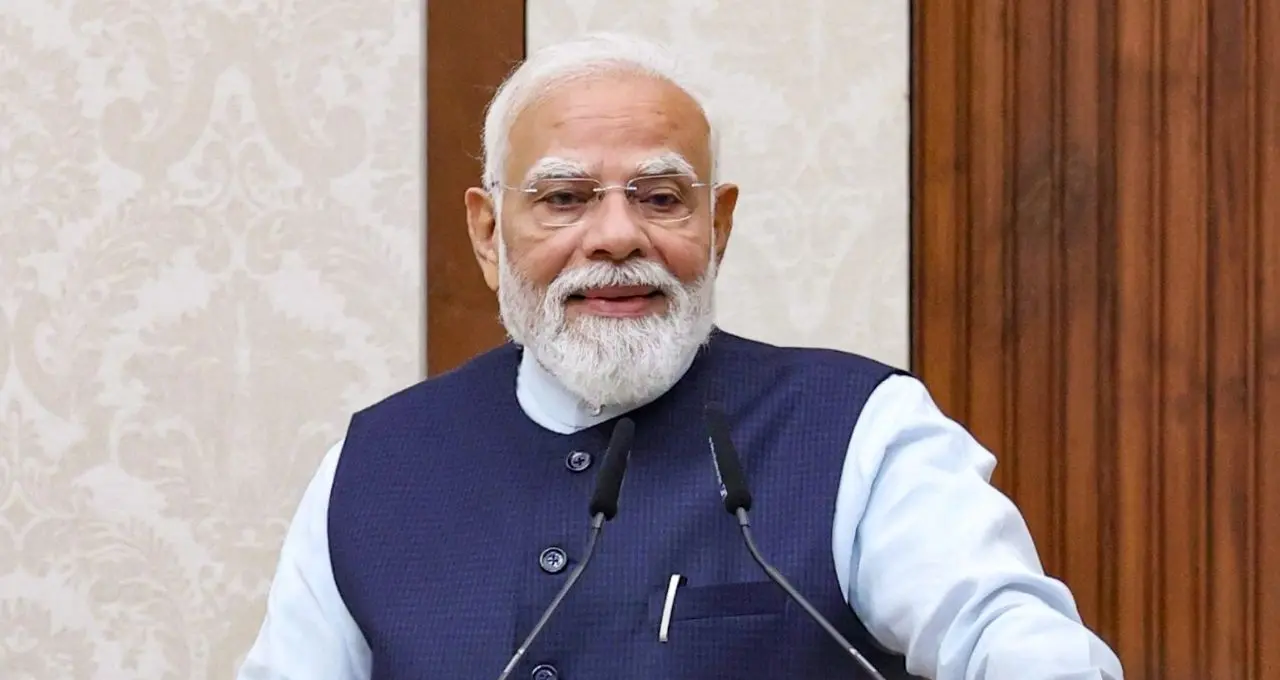
India’s real GDP grew 7.8% year-on-year in the April-June 2026 quarter. Prime Minister Narendra Modi congratulated citizens on the performance, attributing it to their hard work, determination and collective strength. He said India must maintain the pace of growth and urged people to promote domestic consumption and indigenous products.
In a social media message on Tuesday, Modi also repeated his appeal to avoid non-essential purchases of gold. He asked people to avoid unnecessary foreign travel for entertainment and consider holding weddings within India rather than at overseas destinations.
India’s real GDP expanded 7.8% in the April-June 2026 quarter compared with the same period a year earlier. The growth was higher than several market estimates. The Reserve Bank of India had projected growth at around 7%, while revised GDP growth in the previous quarter stood at 8.6%.
Manufacturing grew 9.2% during the quarter, while financial services recorded 12.1% growth. Private investment also recorded b growth, while consumer spending supported economic activity.
Modi linked the performance to India’s economic strength and the efforts of its citizens, saying the country should continue progressing at the same pace.
In his message, Modi said people should avoid buying gold if the purchase is not necessary. This was not the first time he had made such an appeal. He has previously urged Indians to avoid non-essential gold purchases and strengthen the domestic economy.
India is among the world’s major gold consumers, with a significant share of domestic demand met through imports. When international gold prices rise, India has to spend more foreign currency to purchase the same quantity of gold.

Gold purchases, however, are not solely linked to foreign exchange reserves. Gold is also an important form of jewellery, savings and investment for Indian households. Modi’s appeal therefore relates to directing domestic demand towards more productive and indigenous economic activities.
The sharp rise in gold prices in 2026 has also affected the pattern of demand in the Indian market. According to the World Gold Council, India’s total gold demand stood at 151 tonnes in the first quarter of 2026, 10% higher than a year earlier. However, higher prices led to a decline in the volume of jewellery demand.
The average domestic gold price in India during the first quarter was Rs 1,51,108 per 10 grams, around 81% higher year-on-year. Despite the increase in prices, investment demand for gold remained b.
According to the World Gold Council, India’s gold investment demand stood at 82 tonnes during January-March 2026, 54% higher than in the same period a year earlier. Jewellery demand stood at 66 tonnes. Investment gold therefore exceeded jewellery demand during the first quarter.
Demand for bars and coins stood at 62 tonnes, while investment in gold ETFs reached a record level. Gold ETFs recorded net demand of 20 tonnes in India during the first quarter.
The balance shifted somewhat in the second quarter. According to the World Gold Council, investment accounted for 48% of total gold demand in April-June 2026, while jewellery accounted for around 50%. Investment demand nevertheless remained above its long-term average.
Modi also urged people to exercise caution over spending abroad. He said unnecessary foreign travel for entertainment should be avoided and suggested that people consider holding weddings within India rather than choosing foreign destinations.
His message was broadly linked to the promotion of indigenous products and self-reliance. The government has long promoted domestic production, local businesses and the use of products manufactured in India.
According to the Prime Minister’s argument, if Indian consumers spend a larger share of their money within the country, domestic businesses, tourism, employment and production can benefit.
India meets a significant share of its domestic gold requirements through imports. Rising gold prices can therefore increase pressure on the import bill and affect the country’s trade balance and foreign exchange requirements.
World Gold Council data showed that India imported 186 tonnes of gold in the first quarter of 2026, 58% more than in the corresponding period a year earlier. Imports were relatively b in January and February, while March was affected by geopolitical developments in the Middle East and supply-related disruptions.
India’s foreign exchange reserves, however, are not determined solely by gold imports. Imports of oil, electronics, machinery and other goods, services exports, capital flows and global market conditions also affect the rupee and foreign exchange reserves.
The 7.8% growth was recorded amid several challenges facing the global economy. Volatility in energy prices, geopolitical tensions, uncertainty over global interest rates and trade-related risks are affecting economies worldwide.
According to Reuters, India’s b quarterly growth was supported by consumer spending, investment and strength in manufacturing. Higher crude oil prices, pressure on the rupee and global tensions, however, remain risks to future growth.
India’s Chief Economic Adviser V. Anantha Nageswaran has also highlighted the strength of domestic economic activity while calling for caution over risks linked to global interest rates, energy supplies and food prices.
Modi said India had delivered b economic performance despite challenges. He called on citizens to maintain confidence and prioritise activities that strengthen the domestic economy.
He emphasised that economic growth is not solely the result of government policies, but also reflects the contribution of millions of citizens through their work, businesses, investment and consumption.
He urged Indians to promote indigenous products and self-reliance and said India should make greater use of its domestic capabilities during its development journey.
Modi also reiterated the goal of making India a developed nation by 2047, when the country completes 100 years of independence. According to him, the present generation has the responsibility of laying a b foundation for a developed India for future generations.
The 7.8% quarterly growth provided a positive economic signal for the government’s development target. However, experts say sustaining high growth will also require attention to employment, productivity, private investment, exports and the ability to manage global risks.
Modi’s appeal regarding gold has once again focused attention on how traditional demand for gold among Indian households can be balanced with domestic economic priorities. Gold investment remains attractive amid elevated prices, while the government wants a greater share of consumer spending to contribute to strengthening India’s production and services economy.