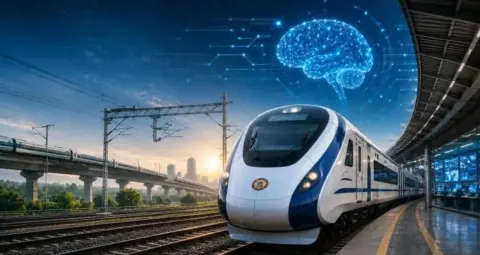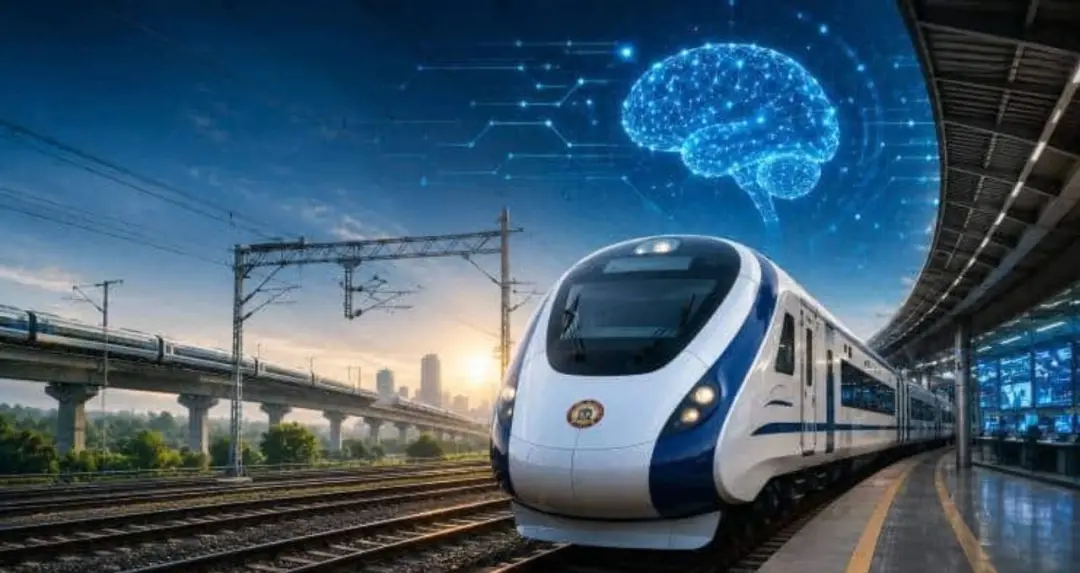
Indian Railways has approved the indigenous C-DOT Common Service Platform for its IoT projects. Under the initiative, around 40,000 smart sensors from different companies will be connected to a central system. Data from tracks, wheels, engines, coaches, overhead wires and signalling systems will be analysed using artificial intelligence and machine learning to identify potential technical faults in advance.
Indian Railways will use the C-DOT Common Service Platform, or CCSP, to integrate its IoT network. So far, sensors from different companies have been installed across separate systems, including engines, coaches, wheels, tracks, overhead electrical wires and signalling equipment. Different software systems used for these sensors meant that the data was not available at a single location.
Under the new system, around 40,000 smart sensors installed across the country by different companies will be connected to a central indigenous platform. This will enable the railway to view and analyse information received from different equipment on a single system.




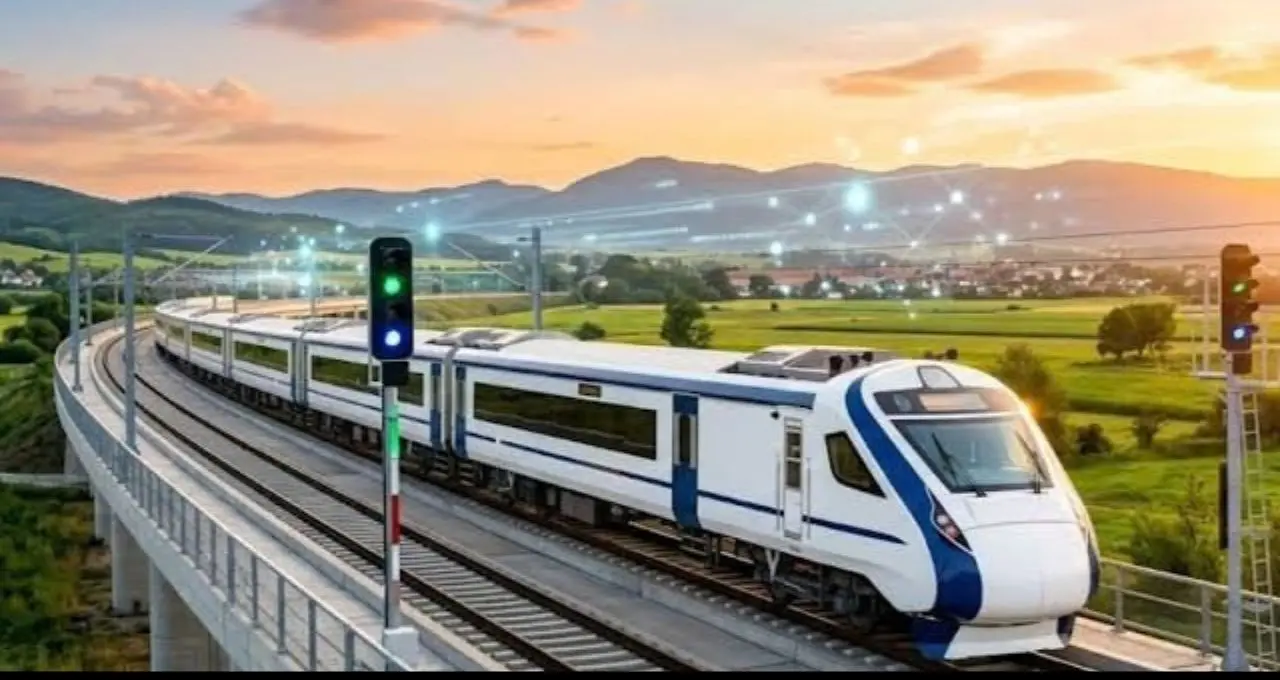
Sensors linked to tracks, wheels, engines, axles and signalling systems will continuously provide information on their technical condition. If the temperature of a wheel rises above normal levels, a fine fracture appears in a track, abnormal vibrations occur in a coach suspension or the voltage in a signal relay box deviates from the specified level, the sensors will transmit the information to a central server through an internet gateway.
The system on the server will analyse this data using Artificial Intelligence and Machine Learning technologies. Machine learning will identify abnormal patterns based on previous travel records and data related to normal operations. The objective is to detect indications of a potential problem before equipment completely fails.
For example, if abnormal vibrations are detected in a wheel, the system will use available data to assess whether the issue could become serious. In such a situation, alerts can be sent to the control room, station master and loco pilot.
After receiving an alert, the railway will be able to take necessary action in time. If required, a train can be stopped at the next station or its speed can be controlled. The concerned equipment can then be inspected and maintained. This is expected to help reduce risks arising from technical faults and minimise disruptions to train operations.
According to Railway Board Director/ME (C&IS) Bharat Bhushan Harit, an allocation of Rs 71.73 crore has been made for the project. Arrangements for hardware, electrical facilities and network infrastructure have been proposed and approved for five years.
Keeping cybersecurity in consideration, the project's primary data centre will be established in Delhi and the backup centre in Secunderabad. The project is being implemented through Northern Railway and the railway's IT organisation, CRIS.
The initiative will help strengthen safety monitoring from Northern Railway's Jammu Division to Phaphamau, Prayag and Prayagraj Sangam stations in the Lucknow Railway Division.