
Indian equity markets opened lower at the start of the trading week as rising geopolitical tensions between the United States and Iran, along with a surge in crude oil prices, weighed on investor sentiment.
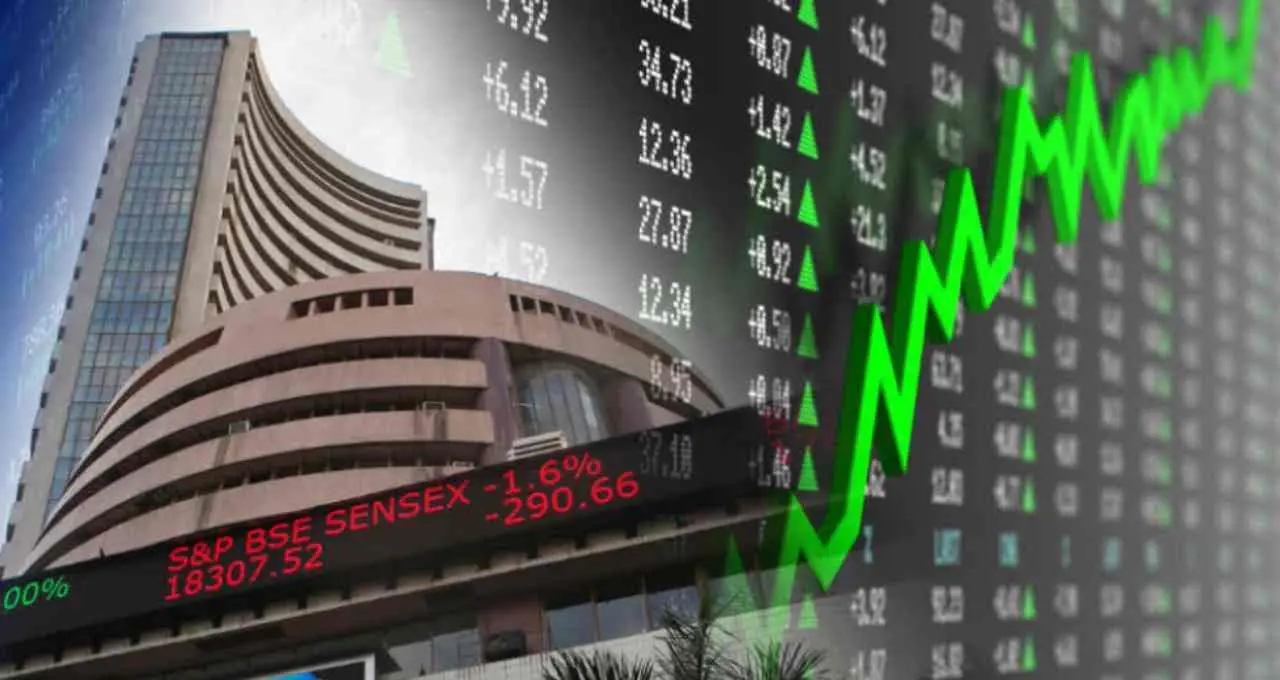
The Nifty 50 opened down 110 points at 23,104, while the Sensex started trading 367 points lower at 73,615.
Investors remained cautious amid global uncertainty and rising oil prices, as higher crude costs could increase inflationary pressures and widen the current account deficit for import-dependent economies such as India. Market participants are closely monitoring global developments, movements in crude oil prices and foreign investor activity, which are expected to play a key role in determining the direction of domestic equities in the coming sessions.




At the opening bell, the Nifty 50 traded near the 23,100 level after declining around 110 points, while the Sensex was seen trading near 73,600 after falling approximately 367 points. Early trade reflected a shift away from riskier assets toward relatively safer investment options, putting pressure on equity markets.
Domestic markets were also influenced by weakness in international equities. US markets witnessed broad-based selling in the previous trading session. Investor concerns were driven by escalating tensions in the Middle East, rising energy prices and higher-than-expected inflation data. These factors affected risk appetite across global financial markets.
Rising crude oil prices have emerged as a significant concern for the Indian economy. Growing tensions in the Middle East have increased worries over global crude supply. Developments related to the Strait of Hormuz have added volatility to energy markets, as the waterway accounts for a significant share of global oil shipments and any disruption could affect international prices.
Higher crude oil prices can impact not only fuel costs but also transportation, manufacturing and inflation. India, which imports a substantial portion of its energy requirements, could face additional pressure under such conditions.
Energy-related stocks showed relative resilience in early trade. Shares of some oil and gas companies attracted investor interest amid expectations that higher energy prices could benefit the sector. Select large-cap financial and telecommunications stocks also provided limited support to the broader market.
In contrast, several major information technology and automobile stocks remained under pressure. Global economic uncertainty and weakness in overseas markets weighed more heavily on these sectors.
According to analysts, current market trends are likely to remain dependent on global developments. If tensions in the Middle East intensify and energy prices continue to rise, market volatility may persist. At the same time, domestic economic fundamentals, corporate earnings and long-term growth prospects remain factors supporting the Indian market.