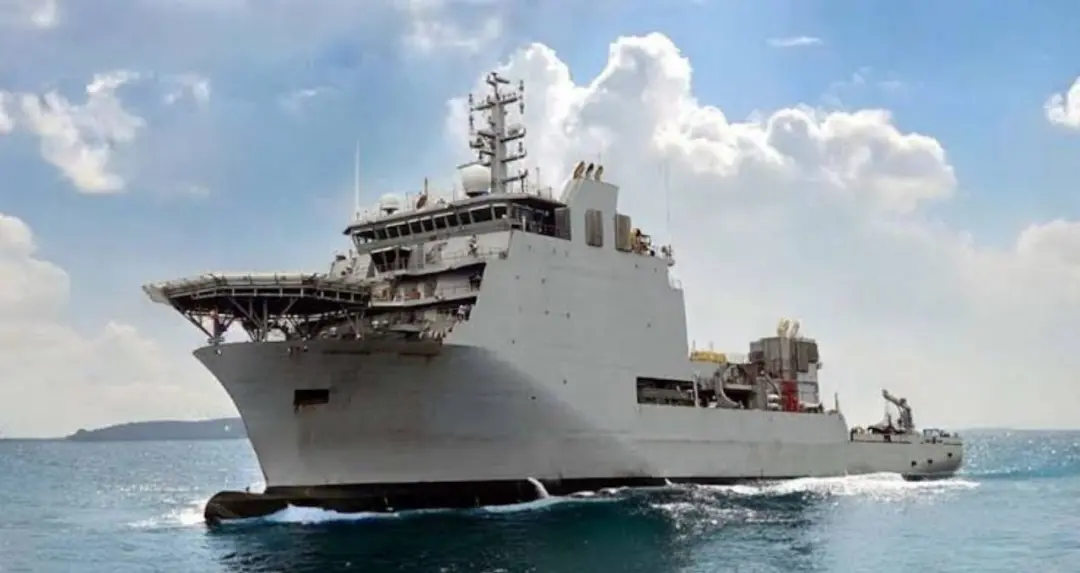
The Indian Navy is set to commission INS Nipun on Monday. The vessel is the second indigenously built Diving Support Vessel (DSV) of the Nistar class and has been designed for complex deep-sea missions, underwater rescue operations, diving, surveillance and technical support at sea.
INS Nipun is being inducted into the Indian Navy as a specialised support and rescue platform. Unlike conventional warships focused on surface operations, the vessel is designed to support challenging missions below the sea surface, including submarine-related rescue operations, reaching naval personnel stranded at sea, and inspecting or repairing damaged equipment underwater.
The vessel is scheduled to be formally commissioned into the Indian Navy at the Naval Dockyard in Mumbai.

INS Nipun has been developed for maritime missions in which the capabilities of conventional warships or traditional vessels may be limited. It is equipped with modern systems for deep-sea diving, underwater search and rescue and technical support, and is capable of continuing operations in challenging weather and sea conditions.
Its Dynamic Positioning System is designed to help keep the vessel stable around a designated position at sea. This capability is particularly useful for operations requiring high precision underwater.
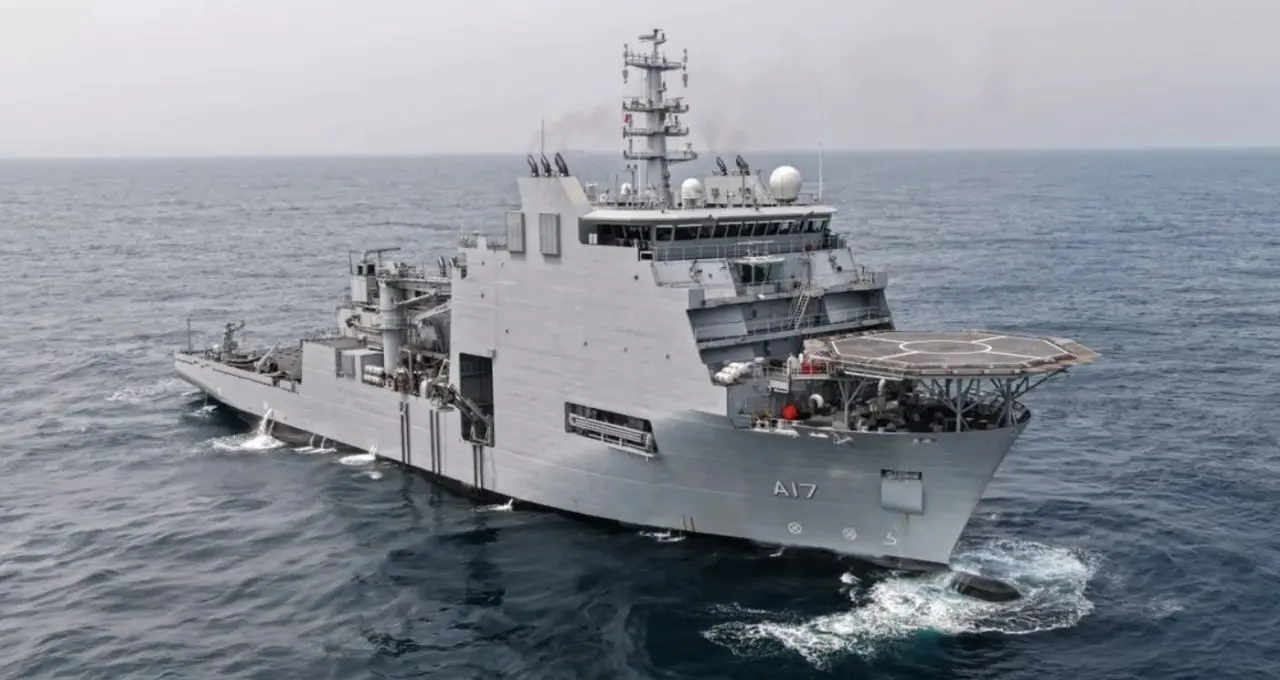
INS Nipun is not a conventional warship, with its primary focus on specialised operations below the sea surface. Its potential responsibilities for the Indian Navy include deep-sea diving, submarine and naval rescue, underwater surveys and the search for maritime debris.
The vessel can assist in rescue operations involving people stranded at sea or submarines in distress. Its capabilities can also be used to inspect damaged machinery and other technical equipment underwater and carry out necessary repairs.
The vessel can also be used to search for debris following maritime accidents and locate and recover equipment lost underwater.
INS Nipun is equipped with advanced diving systems. These systems can support specially trained diving teams in conducting operations safely for extended periods in deep-sea environments.
The vessel can also use remotely operated vehicles (ROVs), or remotely controlled robots, for underwater operations. These systems can help access areas that may be difficult or risky for human divers to reach.
Underwater robots can be used to conduct surveillance at sea depths, collect video and other technical data, identify debris and assess the condition of equipment.
A key feature of INS Nipun is its indigenous construction. Around 75 percent of the vessel is reported to be indigenous.
Indian industries and micro, small and medium enterprises (MSMEs) have also played an important role in the vessel's development and construction. The project is aimed at strengthening India's defence manufacturing capability and reducing dependence on foreign technology and equipment for critical naval platforms.