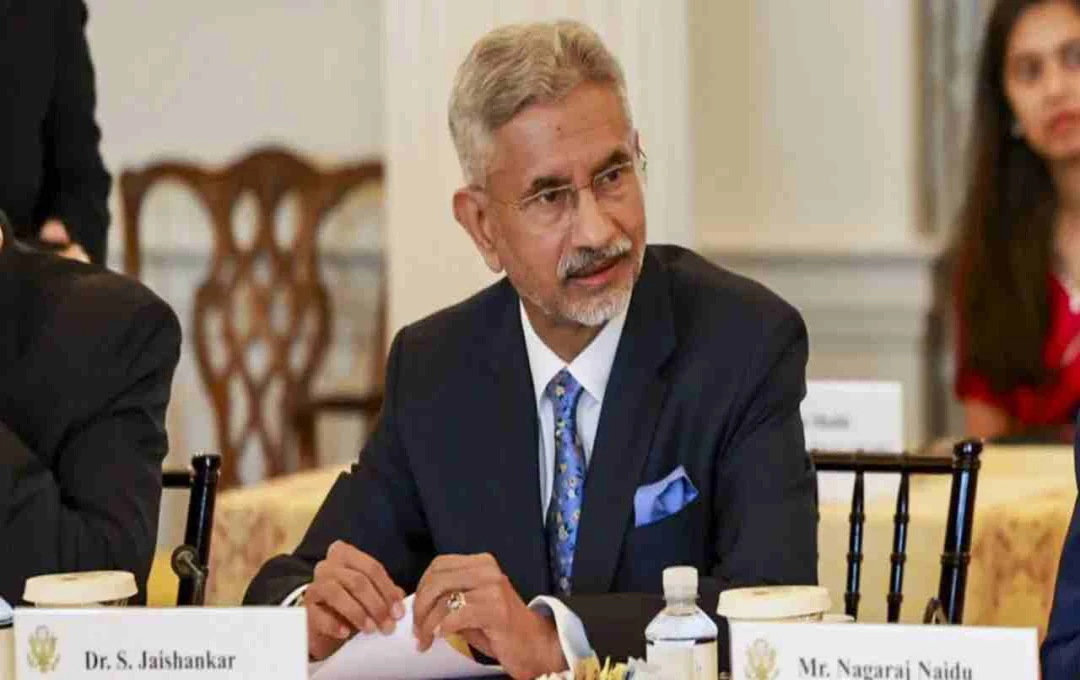
Amid the uncertainty surrounding the Quad Summit, External Affairs Minister Dr. S. Jaishankar has emphasized the importance of the India-Japan partnership. He stated that both India and Japan are major democracies and maritime nations, thus they bear a special responsibility in the Indo-Pacific region.
New Delhi: Amid ongoing uncertainty regarding the QUAD Summit, India's External Affairs Minister Dr. S. Jaishankar has made significant remarks concerning India's strategic partnership with Japan. The External Affairs Minister stated that two major democracies and maritime nations like India and Japan share a common responsibility to maintain peace, stability, and prosperity in the Indo-Pacific region.
Jaishankar made these remarks during his address at the 8th India-Japan Indo-Pacific Forum. He noted that over the past decades, the partnership between India and Japan has not only strengthened but has also become a crucial pillar for global stability and security today.

India-Japan Partnership: Asia's Strategic Axis
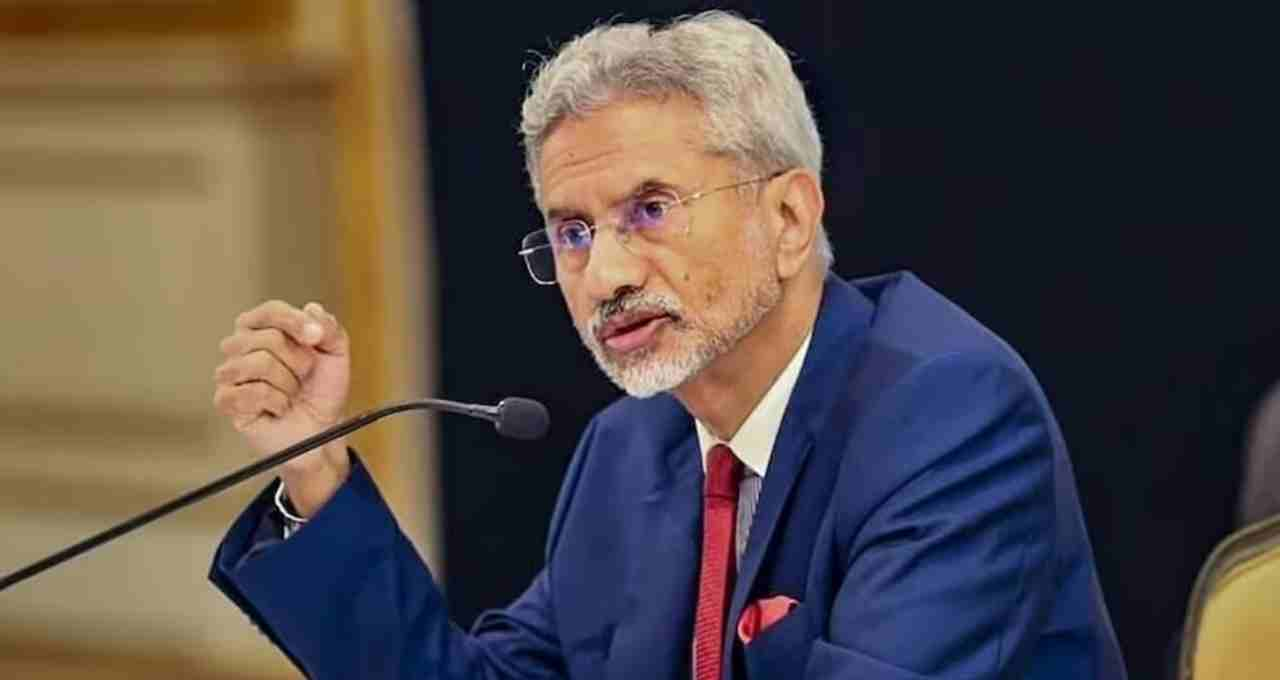
External Affairs Minister Jaishankar stated that relations between India and Japan have now evolved “beyond a traditional partnership into global strategic cooperation.” He elaborated that both countries are not only contributing to the stability of the Indo-Pacific region but are also playing a significant role in global economic stability. Jaishankar said, “Both India and Japan are maritime democracies. We share a common responsibility to keep the Indo-Pacific region free, open, and inclusive.”
India-Japan Stance Amid Quad Summit Uncertainty
Currently, there is uncertainty surrounding the next summit meeting among the QUAD nations: India, Japan, the United States, and Australia. According to reports, new US policies and former President Donald Trump's potential foreign policy strategy have raised questions about the organization of the upcoming Quad Summit.
Although Jaishankar did not directly mention the Quad in his address, he clearly indicated that India and Japan would not allow their partnership to be affected by any external political circumstances. He stated that “the stability of the Indo-Pacific should be based not merely on strategic dialogue, but on concrete cooperation.”
Growing Relations Between PM Modi and Japanese PM
The External Affairs Minister stated that the recent phone conversation between Prime Minister Narendra Modi and Japan's new Prime Minister Sane Takaichi is proof of the close relations between the two countries. He informed that Modi's visit to Japan in August 2025 has given a new direction to this partnership for the next decade. Both countries have set an investment target of 10 trillion yen (approximately 5.3 trillion rupees) over the next 10 years, which will strengthen India's infrastructure, technology, and clean energy sectors.
Jaishankar stated that in the coming years, the India-Japan partnership should not be limited to traditional trade but should focus on future technologies. He said, “Our cooperation should now extend to areas such as Supply Chain Resilience, Artificial Intelligence (AI), Semiconductor Manufacturing, Critical Minerals, Clean Energy, and Space Technology.”
He also stated that India and Japan can collectively strengthen the Indo-Pacific Ocean region economically, technologically, and strategically. Jaishankar acknowledged in his speech that “maintaining a free and open Indo-Pacific is now more challenging than ever.”