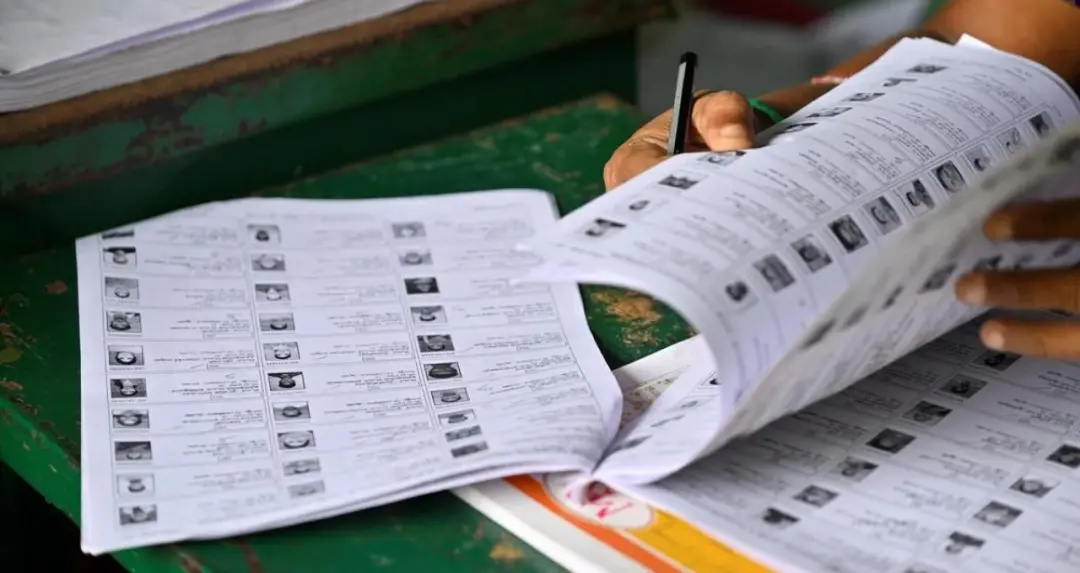
Following the Special Intensive Revision (SIR) of electoral rolls in Karnataka, an analysis has estimated a potential shortfall of around 6.45 million eligible voters in the state's electoral rolls. Of these, approximately 3.841 million are young people aged 18 to 29.
The figures emerged from a comparison of the final electoral roll published on Tuesday, October 27, with estimates of the state's population. The analysis indicates that young people account for the largest share of the potential gap between the estimated eligible population and registered voters.
The office of Karnataka's Chief Electoral Officer (CEO) published the final electoral roll following the SIR on October 27, 2026. According to Election Commission data, the state now has approximately 45.5 million registered voters, compared with around 55.4 million before the revision began.
This represents a difference of approximately 9.932 million voters between the earlier and current rolls. The figure reflects the reduction in the number of registered voters between the two lists.
The estimated shortfall of 6.45 million voters, however, is based on a separate calculation comparing the electoral roll with the state's estimated adult population. The two figures therefore represent different measures and should not be treated as equivalent.


The office of Karnataka's Chief Electoral Officer has reported an elector-to-population ratio of 66.11%. This ratio is calculated by comparing the total number of registered voters with the state's estimated overall population, which includes children below the age of 18 who are not eligible to vote.
According to population estimates, Karnataka's total population in 2026 is approximately 68.9 million, while its population aged 18 and above is estimated at around 51.9 million.
Comparing this estimated adult population with the electoral roll produces a gap of approximately 6.45 million people.
However, the estimated difference does not mean that all 6.45 million people were removed from the electoral roll during the SIR. The figure may also include eligible citizens who have never registered as voters.
The age-wise analysis identifies young voters as the largest group contributing to the estimated shortfall. Of the potential gap of 6.45 million, approximately 3.841 million people belong to the 18-to-29 age group. This accounts for around 59.5% of the estimated difference.
The figures for those aged 18 and 19 are particularly notable. Karnataka's estimated population in this age group is approximately 2.066 million, while only 683,000 names appear on the electoral roll.
Based on these figures, registration in this age group stands at approximately 33.1%. This indicates that nearly two-thirds of the estimated population in this age bracket does not appear in the electoral roll.
Before the SIR began in Karnataka, the state had more than 55.4 million registered voters as of June 16, 2026. The draft electoral roll published on August 24 contained approximately 44.6 million names, representing a reduction of around 10.8 million at that stage.
During the revision, voters were identified based on various grounds, including absence, relocation, death and duplicate entries.
Following the claims and objections process, the final electoral roll recorded a net increase of approximately 864,000 names. Despite this increase, the number of registered voters remained around 9.932 million lower than before the SIR began.
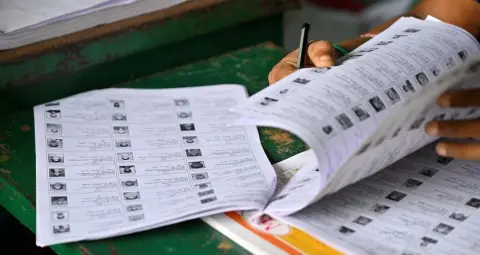
In India, eligible citizens must have their names included in the electoral roll for the relevant constituency to vote. Possession of a voter ID card alone is not sufficient. Individuals whose names do not appear on the current electoral roll cannot cast their votes.
Electoral roll revisions are conducted to remove incorrect, duplicate and ineligible entries. The process must also ensure that eligible voters' names remain on the list. The figures from Karnataka highlight the need to examine the registration of new voters and the accuracy of electoral rolls.
Residents of Karnataka can search for their names through the Election Commission of India's official voter services portal using their voter ID number or personal details.
Eligible citizens whose names do not appear on the electoral roll can apply for registration through Form 6, in accordance with the prescribed procedure.
The estimated shortfall of 6.45 million is based on population estimates. It does not represent the number of missing voters individually identified through an investigation.