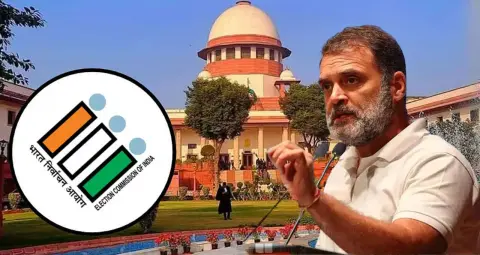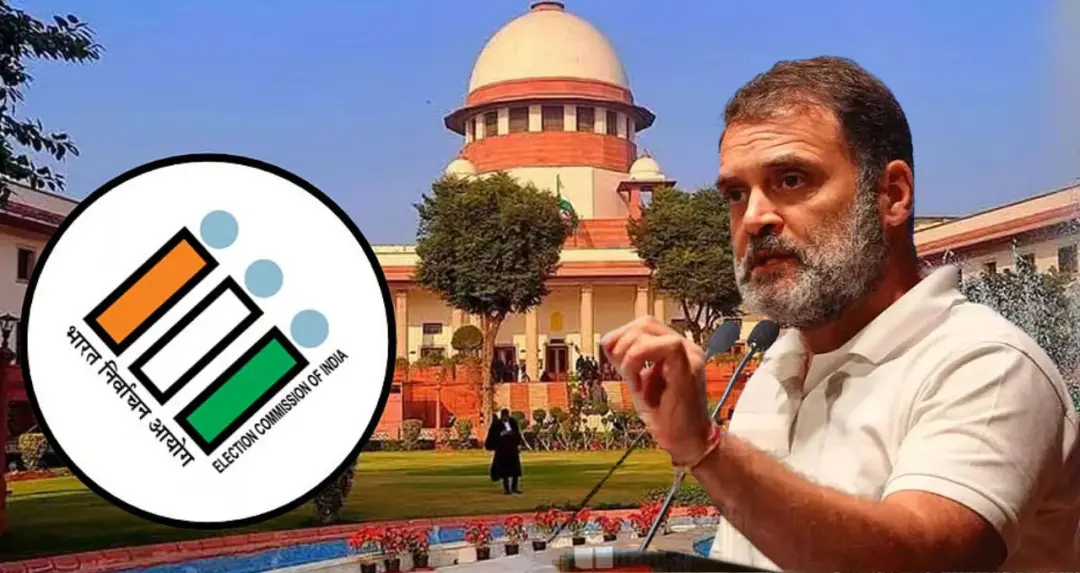
The Supreme Court will hear petitions related to the Special Intensive Revision (SIR) of electoral rolls on Tuesday, October 27. The petitions question the functioning of the Election Commission of India and decisions concerning Chief Election Commissioner Gyanesh Kumar. In an affidavit filed ahead of the hearing, the commission rejected the allegations, stating that decisions related to the SIR were approved with the consent of all three election commissioners.
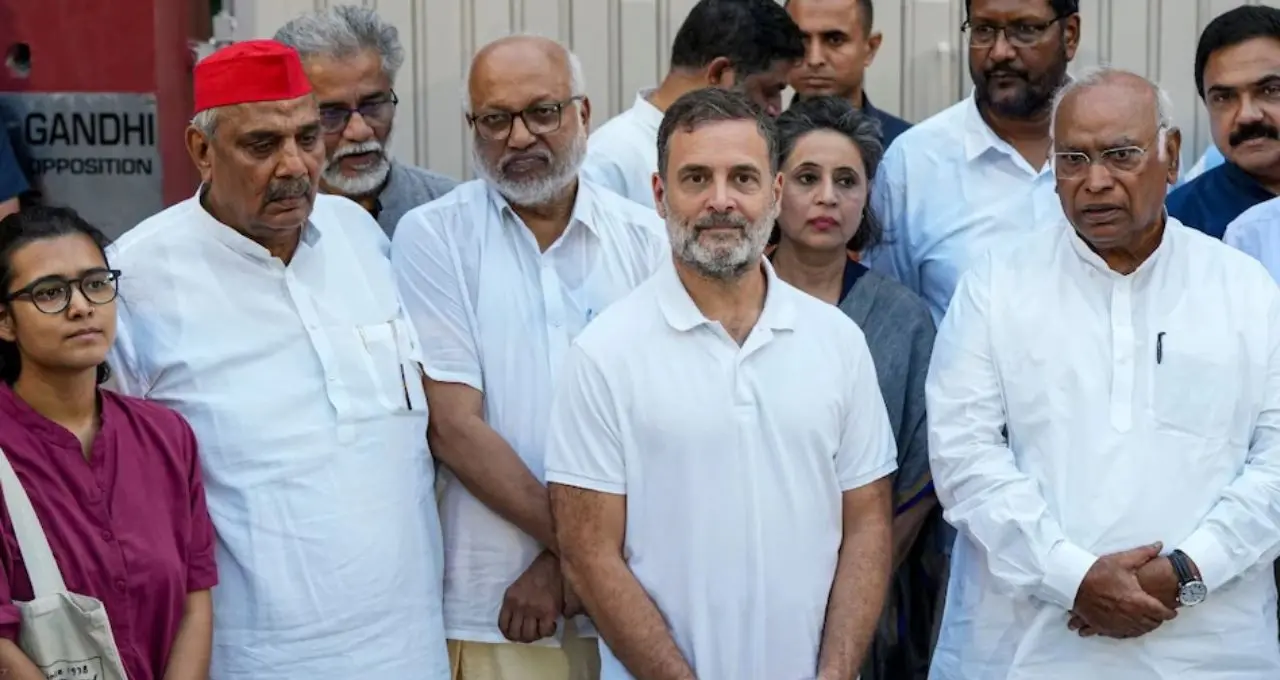
On October 12, 11 opposition leaders, including Leader of the Opposition in the Lok Sabha Rahul Gandhi and Congress president Mallikarjun Kharge, jointly filed a petition in the Supreme Court questioning the Election Commission's functioning and the process of adding and deleting names from electoral rolls.
The petitioners also include Samajwadi Party president Akhilesh Yadav, Rashtriya Janata Dal leader Tejashwi Yadav, Trinamool Congress leader Saugata Roy, Shiv Sena (Uddhav Balasaheb Thackeray faction) leader Sanjay Raut, Communist Party of India (Marxist) leader M.A. Baby and Communist Party of India leader D. Raja.
Other petitioners include Jharkhand Mukti Morcha leader Mahua Maji, Supriya Sule of the Nationalist Congress Party (Sharadchandra Pawar faction) and E.T. Mohammed Basheer of the Indian Union Muslim League.
The leaders have asked the court to summon files and records relating to the Election Commission's disputed decisions. They have also sought an interim stay on the SIR process.


On Monday, October 26, the Election Commission filed an affidavit in the Supreme Court denying allegations that Chief Election Commissioner Gyanesh Kumar had taken decisions unilaterally.
According to the affidavit, SIR-related orders issued on June 24, 2025, October 27, 2025, and May 14, 2026, were approved with the consent of all three members of the commission.
The affidavit states that, under normal circumstances, files pass through both election commissioners before reaching the chief election commissioner. In urgent matters, approval is obtained electronically and subsequently recorded in the relevant file.
The commission also stated that the allegations in the petition were based primarily on a newspaper report. It argued that the claims did not provide sufficient grounds for the case and sought dismissal of the petition.
The opposition has also raised questions about changes to Form 6, which is used for voter registration. The Election Commission has stated that no legal amendment has been made to the form.
According to the commission, the additional declaration sought during the SIR process is separate from Form 6. Its purpose is to match information provided by applicants or their family members with older electoral rolls.
The commission acknowledged that the way the two documents were displayed during the online application process could have caused confusion. Consequently, it decided to separate the two documents in the online process from October 21.
The Election Commission has clarified that voters whose records cannot be matched with older electoral rolls will not ordinarily need to be summoned to an office for a personal hearing.
Instead, Booth Level Officers will visit their homes to collect the necessary documents. Hearings will be conducted only in special circumstances, with online hearings to be used wherever possible.
The commission has also stated that a voter's name cannot be added to or deleted from the electoral roll without an order from the Electoral Registration Officer (ERO).
The Supreme Court is scheduled to hear several cases related to the SIR process together. The principal issues include the role of the chief election commissioner, the Election Commission's collective decision-making process and the rules governing the deletion of names from electoral rolls.
The opposition leaders are seeking judicial scrutiny of the commission's decisions, while the commission has maintained that its procedures comply with the applicable rules.
The court will consider the arguments presented by both sides and determine the further course of proceedings in the petitions concerning the electoral roll revision process.