A discrepancy in Uttar Pradesh’s Legislative Council election voter list has triggered a political controversy, with the Aam Aadmi Party (AAP) questioning the Election Commission over an entry that changed the name “Ramhit Yadav” to “Ram ne Yadav ko maara” (Ram hit Yadav). Uttar Pradesh Chief Electoral Officer Navdeep Rinwa said the software used to convert names from English into Hindi was responsible for such errors. He acknowledged the mistake but rejected allegations that it reflected caste-based discrimination. An investigation into the irregular entries is underway.
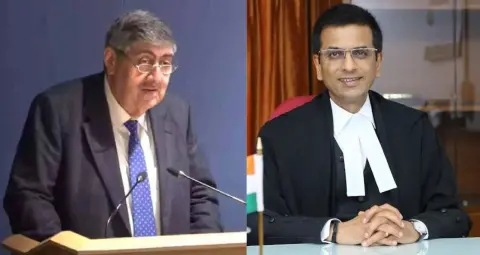
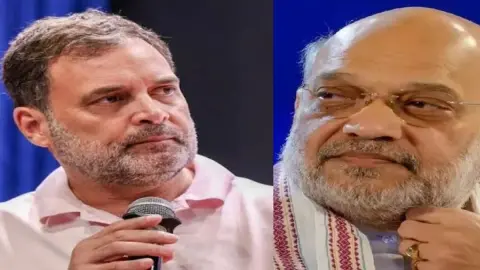
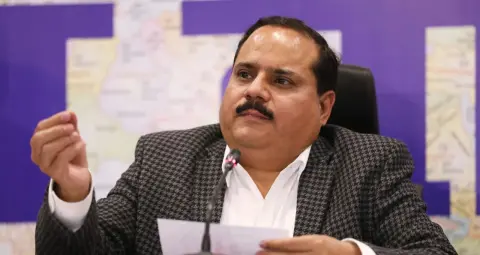
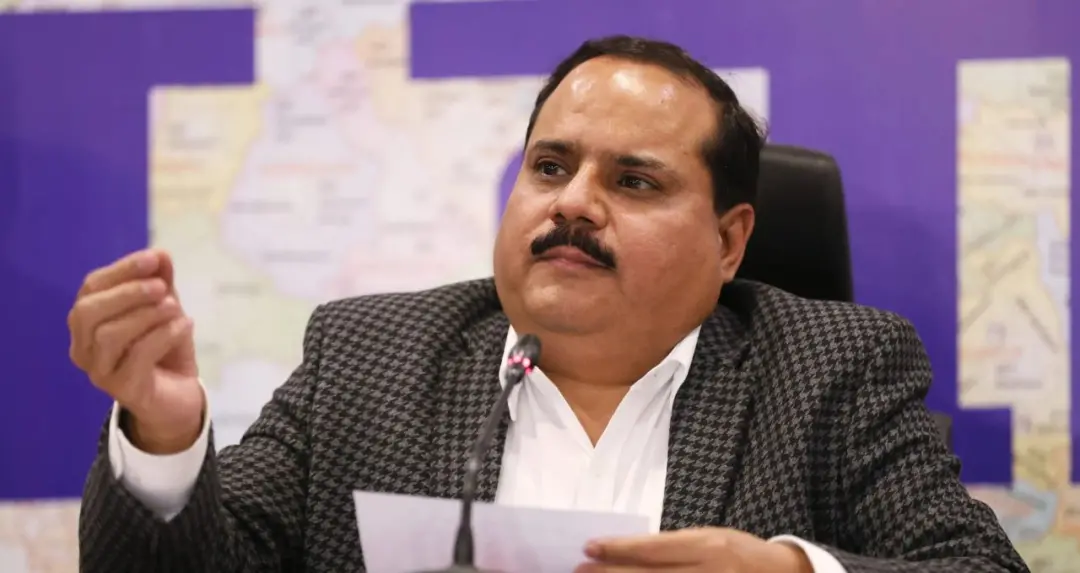
The controversy began after AAP Rajya Sabha MP Sanjay Singh raised the issue in a social media post addressed to Chief Election Commissioner Gyanesh Kumar. Singh questioned how the name “Ramhit Yadav” had been changed to “Ram ne Yadav ko maara” in the voter list for the Legislative Council election.
He asked why such an error had occurred with the Yadav surname and whether similar mistakes had been made with surnames such as Singh, Pathak, Asthana, Sharma, Rai or Bisht. Singh also questioned whether the Election Commission’s computer system was caste-biased or operating in accordance with the agenda of a political party.
His remarks brought the voter-list preparation process and the software used to generate entries under scrutiny.
Navdeep Rinwa responded to Singh’s allegations through the official X account of the Uttar Pradesh Chief Electoral Officer’s office. He pointed out that another incorrect entry, “Ram ne Sharma ko maara” (Ram hit Sharma), was also present in the Legislative Council election voter list.

The CEO’s office shared a voter slip belonging to Ravi Sharma, in which the father’s name field contained the phrase “Ram ne Sharma ko maara.”
Rinwa acknowledged that an error had occurred at the election office but said it was incorrect to attribute the mistake to caste-based discrimination. In a sarcastic remark, he added that if a similar error had involved the name of a minority community member, allegations of communalism could also have followed.
According to Rinwa, the software used to convert names written in English into Hindi was responsible for the incorrect entries in some cases.
The system was intended to transliterate English names into Hindi script. However, in certain instances, it interpreted the English words and converted their meanings into Hindi instead of reproducing the intended names phonetically.
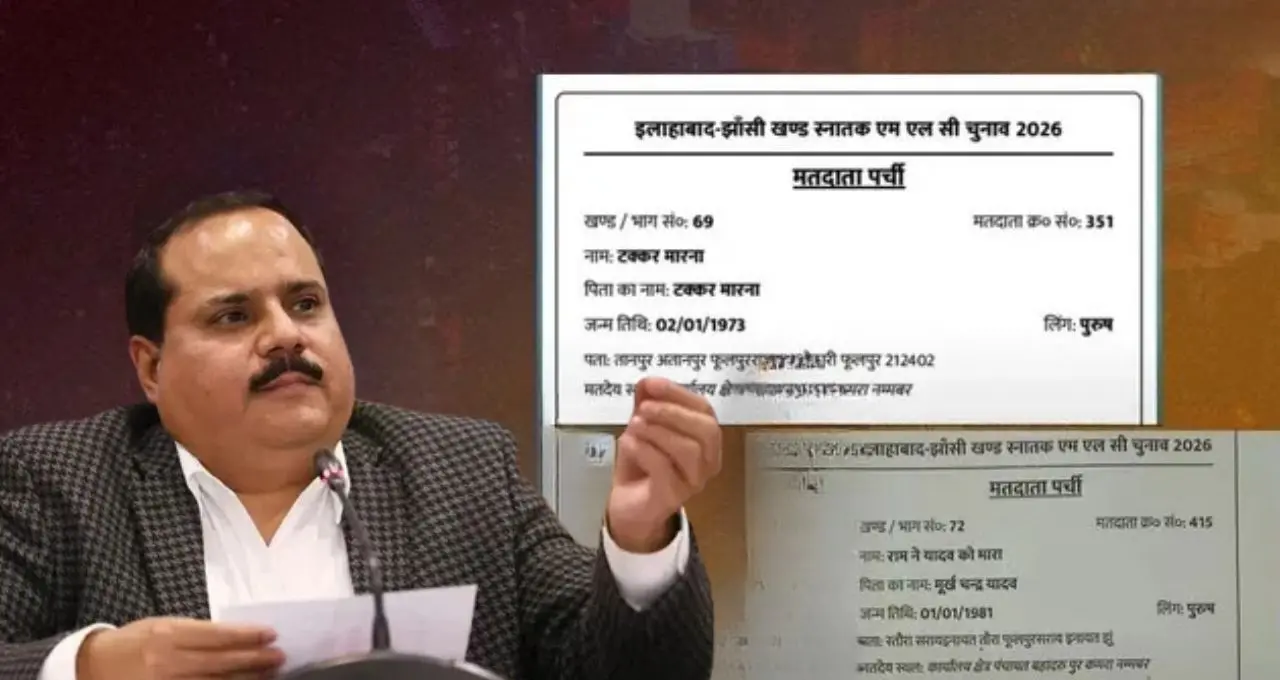
As a result, “Ram Hit Yadav” was rendered as a sentence rather than as an individual’s name. Such errors could have been corrected during the voter-list verification process, but some entries remained in the final list.
Congress spokesperson Supriya Shrinate also objected to Rinwa’s remarks. Sharing the relevant post, she questioned who was operating the official social media account of the Uttar Pradesh Chief Electoral Officer.
Shrinate raised concerns about the credibility of the electoral process, arguing that such comments could further undermine public confidence in the system.
Following the escalation of the controversy, the Election Commission of India directed officials to use restrained language in official responses. Officials were instructed to respond on the basis of facts without making unnecessary comments.
On Monday, Singh referred to other entries that he alleged had appeared in voter lists. He claimed that one entry read “Mohammad Iqbal begs.”
Taking a swipe at Rinwa, the AAP MP said that if English names were translated into Hindi in the same manner, the Chief Electoral Officer’s own name could also be rendered as “Nayi Gahrai Redua.”
Singh also reiterated allegations concerning 13,000 identical EPIC numbers in Pilibhit, 7,000 suspicious voters in Basti and an individual in Sultanpur allegedly filling out 26 fake forms. These allegations have not been independently verified on the basis of the available information.
Rinwa said the authorities were investigating the reasons behind the unusual entries circulating on social media. He added that necessary steps would be taken to prevent similar errors from recurring.
The Chief Electoral Officer also alleged that some fake voter slips were being circulated on the internet. He warned that legal action would be taken against those responsible for creating forged documents.