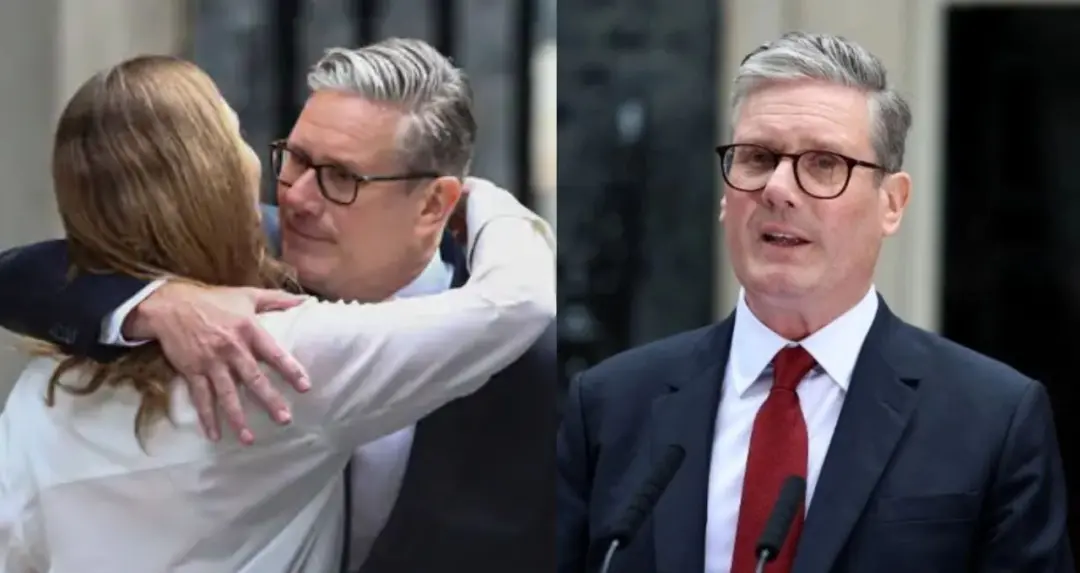
British Prime Minister and Labour Party leader Keir Starmer resigned from office on Monday, marking a significant development in the country’s political landscape. Addressing the nation outside 10 Downing Street, Starmer said he believed the party now wanted to move toward new leadership ahead of the next general election. He stated that it was the right time, in the interests of both the country and the party, for a new leader to take responsibility. However, he said he would continue serving as caretaker prime minister until a successor is chosen.
Starmer led the Labour Party to victory in the 2024 general election, but his popularity declined after taking office. He faced criticism over weak performances in local elections, economic challenges, unfulfilled promises related to improving living standards, and policy reversals. In recent months, several MPs and senior party figures had begun questioning his leadership, increasing pressure on him to step down.


The prime minister said he had informed King Charles III of his decision. The Labour Party’s National Executive Committee (NEC) will now determine the timetable for electing a new leader. The party may begin the nomination process in early July and is expected to seek completion of the leadership election before Parliament’s summer recess.
As Labour holds a parliamentary majority, the party’s new leader will automatically become the country’s next prime minister. A general election will not be required.
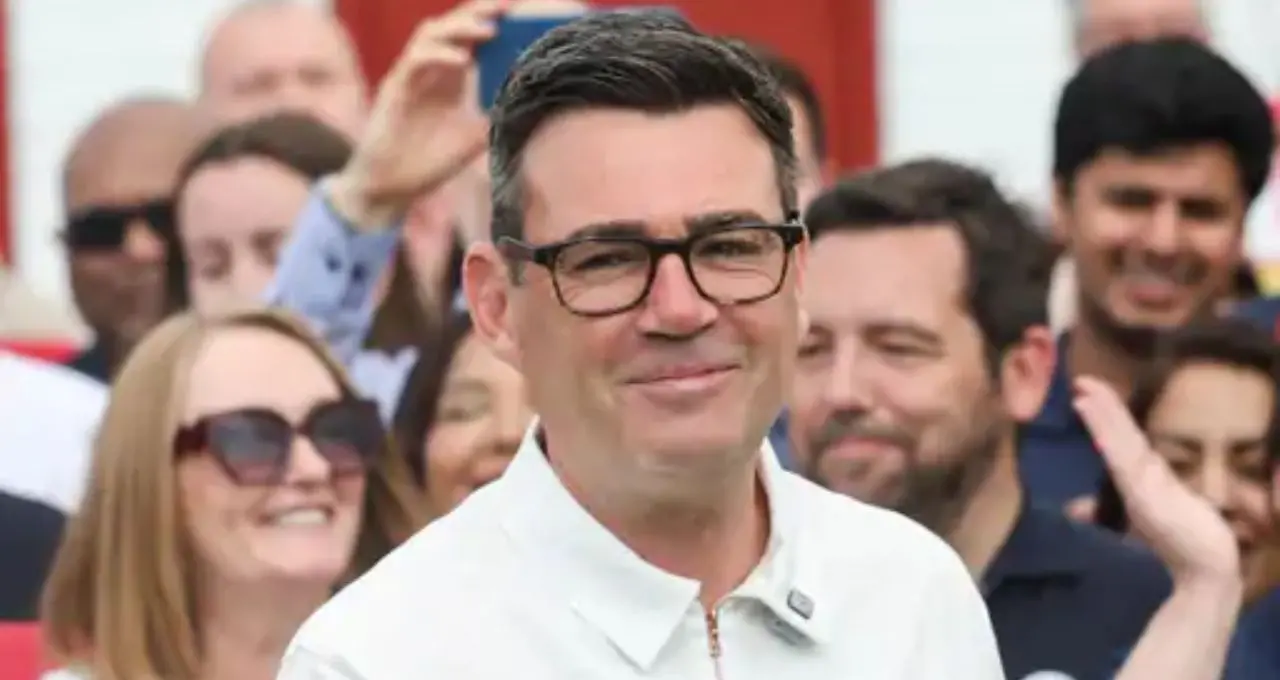
Andy Burnham has emerged as the most prominent potential successor to Starmer. Burnham, who recently returned to Parliament after winning a by-election, is reported to have support from various factions within the Labour Party. A former health secretary, Burnham gained national attention during the COVID-19 pandemic for bly advocating the interests of the Manchester region. He is widely regarded as a leader who raises issues affecting ordinary people.
Although Burnham is considered the best contender, other figures could also enter the leadership race. Labour Deputy Leader Angela Rayner, senior party figure Yvette Cooper and younger leader Wes Streeting are also being viewed as potential candidates. If multiple candidates contest the election, the leadership race could become highly competitive.
Under the United Kingdom’s parliamentary system, the public does not directly elect the prime minister. The leader of the party holding a majority in Parliament becomes prime minister. If MPs believe the current leader could harm the party’s electoral prospects, they can initiate a leadership change process. As a result, several British prime ministers in recent years have left office before completing their terms.
Starmer’s resignation indicates that a period of political instability in the United Kingdom continues. Before him, David Cameron, Theresa May, Boris Johnson, Liz Truss and Rishi Sunak also left office before completing their terms. Following Starmer’s departure, the United Kingdom is preparing to select its sixth prime minister in seven years.
The coming weeks will be important for the Labour Party. The new leader will not only take charge of the government but will also face the challenge of keeping the party united and rebuilding voter confidence. While Andy Burnham currently appears to be the leading contender, the final outcome will depend on the party’s internal election process.