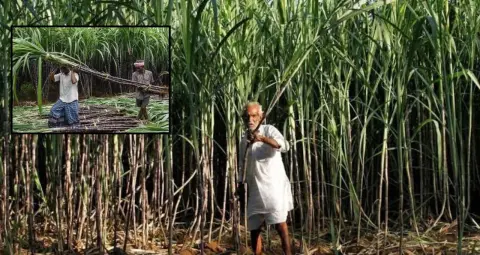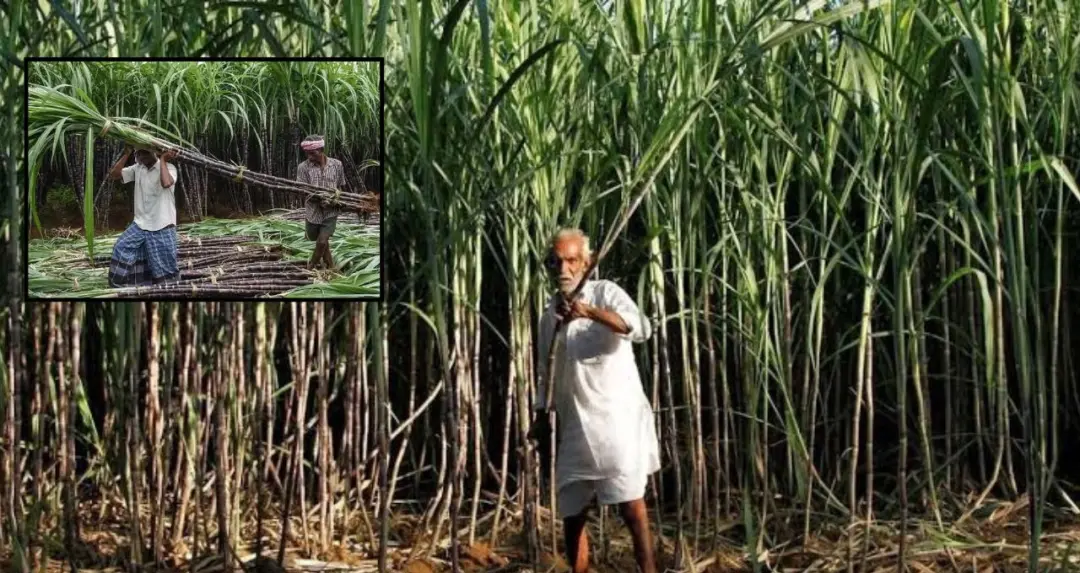
Sugarcane farmers in Laksar, Uttarakhand, are being provided Trichoderma by the local sugar mill at a 50% discount to help protect crops against red rot and other soil-borne diseases. According to the mill, more than 35% of farmers have already availed themselves of the facility.
Red rot is a major disease affecting sugarcane cultivation and can cause substantial losses for farmers. In many cases, the disease is detected only after a significant portion of the crop has already been damaged. To address this problem, Laksar Sugar Mill has started encouraging farmers to use Trichoderma as a preventive measure.
The mill has been providing the biological product to farmers at a 50% discount. The facility has been available for the past two years, and an increasing number of farmers have started using it.
Red rot has been a major challenge for sugarcane farmers in Laksar and surrounding areas. When the crop is infected, the internal tissue of the sugarcane begins to deteriorate. Severe infections can cause plants to dry up and reduce crop yields.
Laksar Sugar Mill is advising farmers to adopt preventive measures rather than wait for the disease to spread across their fields. As part of this initiative, the mill is promoting the use of Trichoderma.



Trichoderma is a beneficial fungus that helps restrict the growth of certain harmful fungi present in the soil. It is used in sugarcane cultivation as well as in other crops. However, its effectiveness depends on soil conditions and the type of disease.
BS Tomar, Chief Cane Manager at Laksar Sugar Mill, said the mill's operational area has more than 50,000 sugarcane farmers. Of these, more than 35% have already benefited from the discount offered on Trichoderma.
According to Tomar, the mill is not limiting its support to supplying the product. Farmers are also being informed about the appropriate timing and method of application. Incorrect application quantities may prevent farmers from obtaining the expected benefits.
The mill is also educating farmers about improving soil quality. In fields where soil pH is high, farmers are being advised to adopt corrective measures based on soil testing.
Trichoderma is primarily used in agriculture to manage fungal diseases that spread through the soil. It remains active around plant roots and can help reduce the growth of certain harmful fungi.
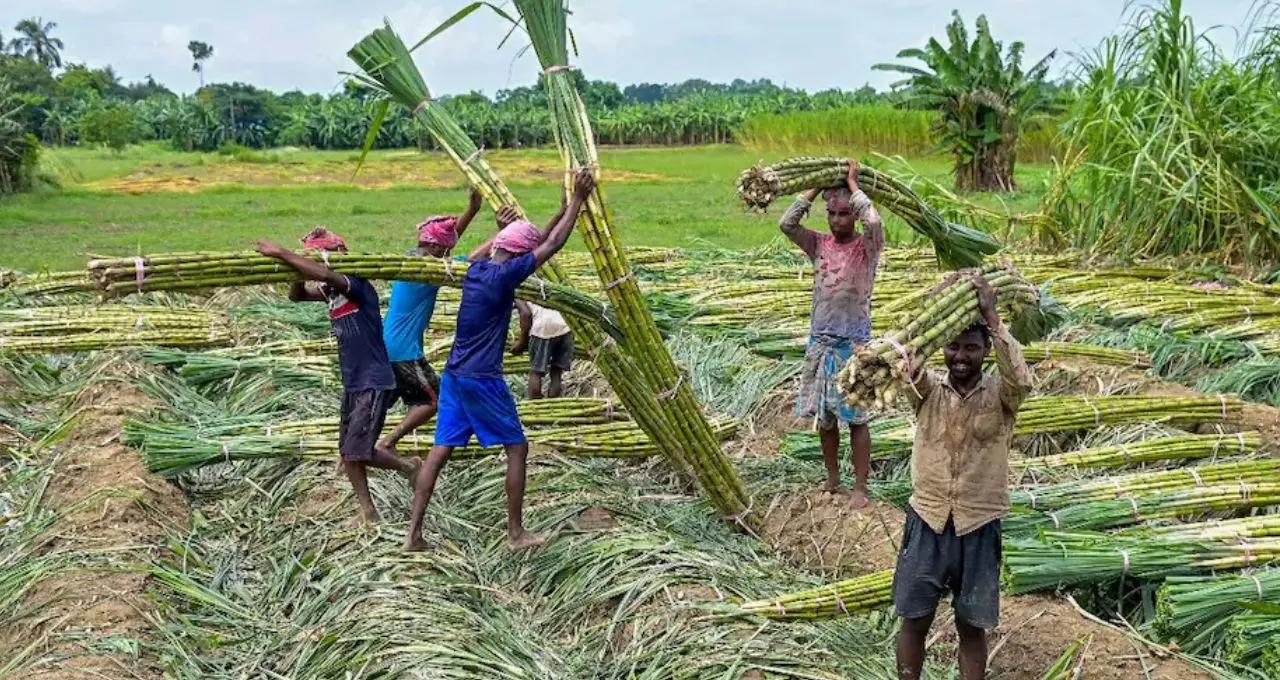
Its application can help maintain healthy roots. Some Trichoderma species may also support plants' disease resistance and nutrient uptake.
However, if red rot infection has already spread extensively through a sugarcane crop, applying Trichoderma alone does not guarantee that the disease will be eliminated. Farmers with affected fields should also adopt other preventive measures after consulting agricultural experts.
BS Tomar, Chief Cane Manager at Laksar Sugar Mill, has outlined a method for applying liquid Trichoderma. According to the method, farmers can prepare a solution by mixing two litres of liquid Trichoderma and two kilograms of jaggery in 200 litres of water.
The solution should be kept in a shaded place for 48 hours. It is then recommended for application across one acre of farmland through irrigation water.
However, Trichoderma products from different manufacturers are available in the market, and their recommended quantities and application methods may vary. Farmers should therefore check the instructions printed on the product label before preparing the solution.
A separate application method has been outlined for farmers using powder-form Trichoderma. According to BS Tomar, two to three kilograms of Trichoderma powder can be mixed with 50 kilograms of well-decomposed cow dung manure or vermicompost.
The mixture should be kept in a shaded place for approximately seven days before being applied to the field. Adequate moisture should be maintained in the soil during application, as beneficial microorganisms may find it difficult to remain active in excessively dry soil.
Farmers should also avoid mixing Trichoderma directly with chemical fungicides. Certain chemicals can damage the beneficial fungi present in the product. If any chemical treatment has already been used in the field, farmers should consult an agricultural expert before applying Trichoderma.