Every year today, December 6th, is observed as Mahaparinirvan Diwas, marking the death anniversary of Bharat Ratna Dr. Bhimrao Ramji Ambedkar. He is also known as Babasaheb Ambedkar. Dr. Ambedkar was the chief architect of the Indian Constitution and a revered leader, thinker, and social reformer.
Dr. B.R. Ambedkar Life & Legacy: Every year on December 6th, Mahaparinirvan Diwas is celebrated on the death anniversary of Bharat Ratna Dr. Bhimrao Ramji Ambedkar. Dr. Ambedkar, also known as Babasaheb Ambedkar, was the chief architect of the Indian Constitution. He was a great leader, visionary thinker, and social reformer who dedicated his entire life to the principle of equality and the abolition of caste-based discrimination.
Millions of people across the country honor his contributions on this sacred day, remembering his teachings and his commitment to building a just society. Mahaparinirvan Diwas 2024, marking the 69th death anniversary of Babasaheb Dr. B.R. Ambedkar, will be organized on December 6, 2024, by the Dr. Ambedkar Foundation (DAF) and the Ministry of Social Justice and Empowerment at Prerna Sthal within the Parliament House Complex. Vice President Shri Jagdeep Dhankhar, Prime Minister Shri Narendra Modi, and other dignitaries from Parliament will be present at this event and offer floral tributes.
Significance of Mahaparinirvan Diwas


Mahaparinirvan Diwas symbolizes a tribute to the transformative legacy of Dr. B.R. Ambedkar. According to Buddhist literature, the passing of Lord Buddha is referred to as Mahaparinirvan, which means “Nirvana after death.” It carries the message of liberation from life's struggles, karma, and the cycle of birth and death. Dr. Ambedkar himself was inspired by the thoughts of Lord Buddha. He embraced Buddhism and campaigned against untouchability and injustice in society. His followers consider him a leader as influential as the Buddha.
Mahaparinirvan Diwas is not merely a day of mourning, but a day of reflection and inspiration. It inspires us to carry forward his vision towards building a just and inclusive world.
Dr. B.R. Ambedkar and Social Justice
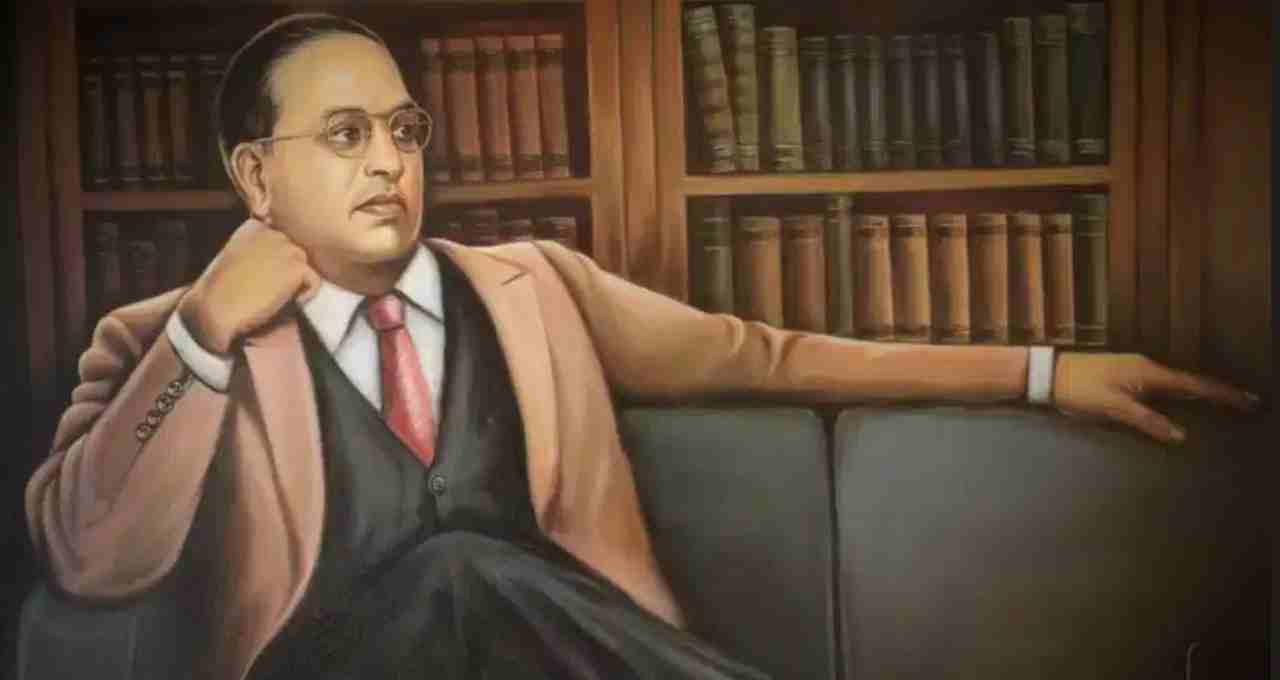
Dr. B.R. Ambedkar was born on April 14, 1891, in Mhow, Madhya Pradesh. He dedicated his life to the upliftment of marginalized communities, especially Dalits, the deprived, women, and laborers. Ambedkar recognized that caste-based oppression was weakening the nation, and he took decisive steps to eradicate these deeply entrenched unjust practices.
He proposed reservations and other revolutionary provisions to empower oppressed classes in the fields of education, employment, and political representation. To amplify the voice of Dalits, he founded the newspaper Mooknayak. For the spread of education and improvement of economic conditions, he established the Bahishkrit Hitakarini Sabha (Outcast Welfare Association) in 1923.
Dr. Ambedkar led historical movements such as the Mahad March (1927) and the Kalaram Temple Movement (1930). He challenged caste-based discrimination and priestly dominance. Through the Poona Pact in 1932, reserved seats for Dalits were ensured, which proved to be a significant turning point in the history of social justice in India.
Dr. B.R. Ambedkar: The Architect of the Constitution
Dr. Ambedkar's role in the making of modern India was not limited to social reform. He was also the principal architect of the Indian Constitution. He envisioned a nation that would not only uphold political democracy but also ensure social and economic justice. His foresight shaped India's economic and social structures. Dr. Ambedkar made significant contributions to India's Finance Commission, the RBI Act (1934), employment exchanges, the national power grid system, and foundational projects such as the Damodar Valley, Hirakud Dam, and Son River Project.
As the Chairman of the Drafting Committee of the Constitution, he prepared the draft in 1948, which was adopted in 1949 with minimal changes. His ideas ensured the protection of the rights of Scheduled Castes, Scheduled Tribes, and Backward Classes, laying the foundation for an inclusive democracy. After embracing Buddhism, Dr. Ambedkar propagated the message of liberation and equality. He brought revolutionary changes in the lives of Dalits and the deprived by leading movements against casteism and social discrimination. His followers consider him an inspiration and a guide in Buddhist society.
Legacy and Honor
Dr. B.R. Ambedkar was posthumously awarded the Bharat Ratna in 1990. His multifaceted contributions to social justice, economic policy, infrastructure, and constitutional law established him as a nation-builder. Mahaparinirvan Diwas reminds us of his ideals of justice, equality, and liberty, and inspires us to move towards a more just, inclusive, and harmonious society. Drawing inspiration from his life and teachings, we can build the India and the world of his dreams.