In response to US travel restrictions, Mali and Burkina Faso have imposed a ban on the entry of US citizens. This move is seen as one rooted in dignity, equality, and sovereignty, sparking new tensions in West African politics.
America: A decision by US President Donald Trump has stirred up the political landscape of West Africa. Mali and Burkina Faso have banned US citizens from entering their countries. This step is a direct response to the travel ban imposed by the United States. This development is viewed not merely as a diplomatic reaction, but as a decision linked to respect, equality, and sovereignty.
Increased Tension Following US Decision
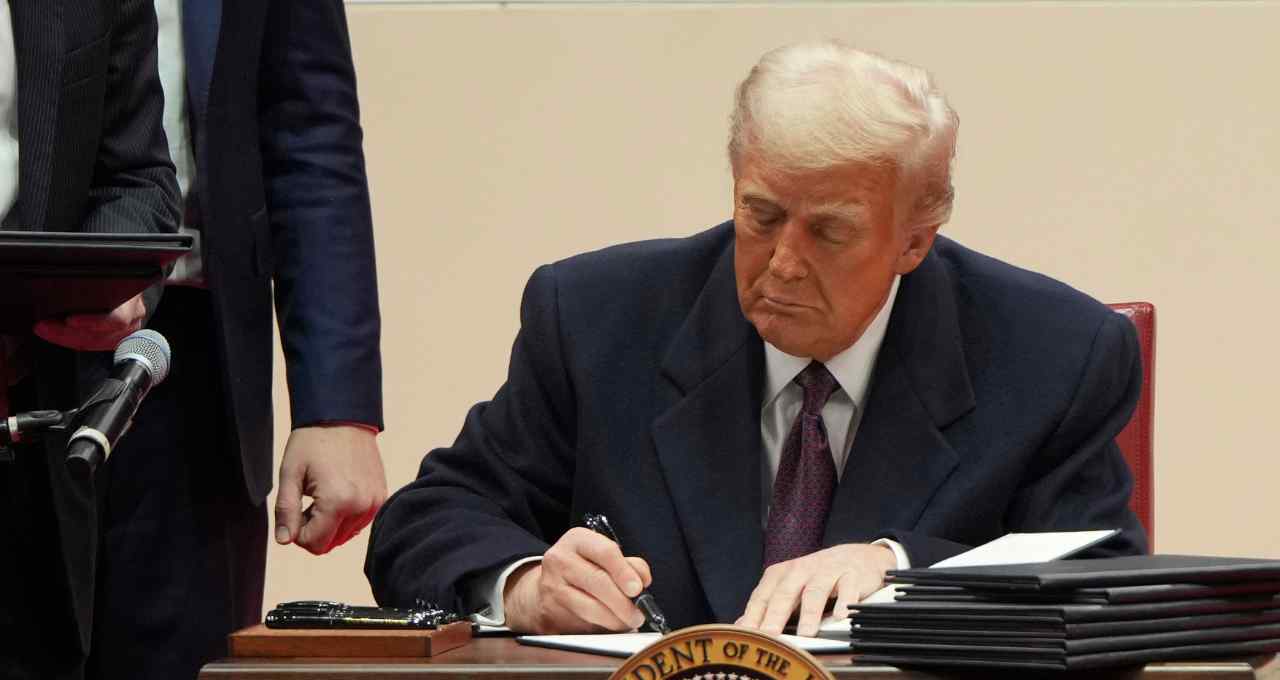
On December 16th, Donald Trump tightened existing travel restrictions by adding 20 new countries to the list. These included West African nations such as Mali, Burkina Faso, and Niger. The US argued that security conditions in these countries were poor and that the activities of armed groups were constantly increasing.
However, these countries viewed this as more of a discrimination and a unilateral decision than a security concern. The military governments of Mali and Burkina Faso state that the US made this decision without mutual dialogue, which goes against the principles of international relations.




Mali’s Retaliatory Step
The Malian government has clearly stated that it will operate on the principle of reciprocity. Mali’s Foreign Ministry announced in an official statement that, with immediate effect, the same conditions will apply to US citizens as the US has imposed on Malian citizens.
According to the government, if Malian citizens can be prevented from entering the US, Mali also has the right to ban US citizens from entering its country. This decision is linked to Mali’s sovereignty and national dignity.
Burkina Faso’s Firm Stance
Burkina Faso has responded to the US in a similar vein. The country’s Foreign Minister, Karmoo Jean-Marie Traore, issued a signed statement announcing a ban on the entry of US travelers.
The Burkina Faso government states that it will not accept unequal treatment from any country. The statement also said that mutual respect and equality are essential in international relations, rather than imposing decisions based on strength.
Background of Military Regimes
Both Mali and Burkina Faso are currently governed by military regimes. In recent years, these countries have seized power by removing civilian governments. A major reason for these coups has been cited as increasing insecurity and the influence of armed groups.
The military rulers, after coming to power, promised to deal with terrorism and violence. However, the situation on the ground remains challenging. This is why the US cited security as the main reason for the travel restrictions.
US Security Argument
According to the White House, there is a higher risk of terrorist attacks in the countries subject to travel restrictions. The US claims that it is difficult to screen travelers coming from these countries, posing a threat to national security.
However, Mali and Burkina Faso say that there is a political agenda behind this argument. They believe that the US has viewed the entire country and its citizens with the same lens, which is neither just nor practical.
Changing Equations in West Africa
Mali, Burkina Faso, and Niger have recently distanced themselves from the West African regional organization, the Economic Community of West African States (ECOWAS). These countries have decided to form a new regional alliance.
This change is seen as a major turning point in West African politics. The strain in relations with the US and European countries is also considered part of this process.
Questioning the Image of ‘Poor Countries’
Mali and Burkina Faso are often counted among the poorest countries in the world. Per capita income here is less than $1200. However, these countries say that economic weakness does not mean compromising on self-respect. By banning US citizens, these countries have tried to convey the message that all countries are equal on the international stage, regardless of their economic status.