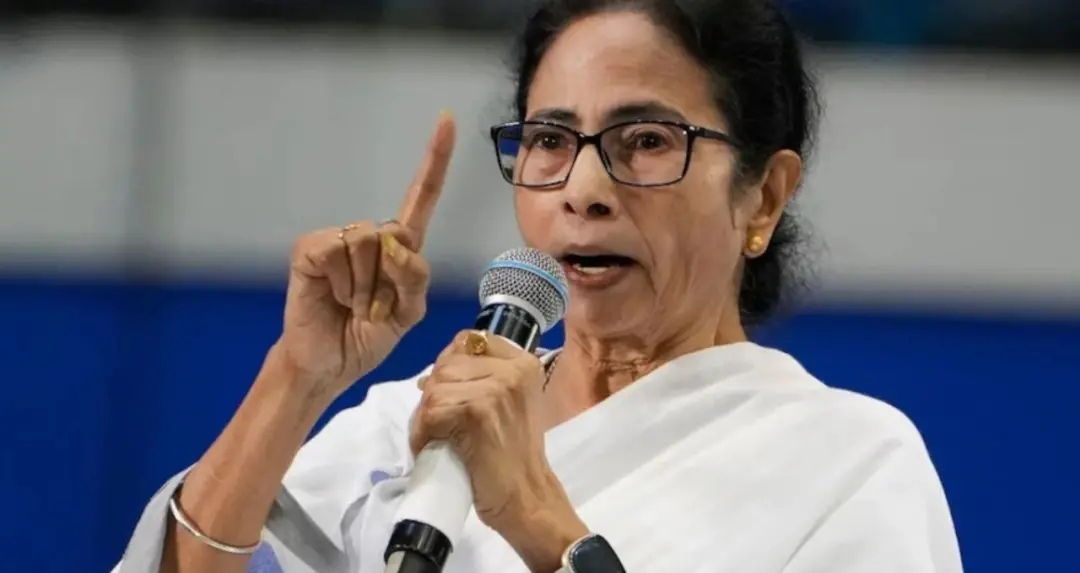
West Bengal Chief Minister Mamata Banerjee alleged that Prime Minister Narendra Modi used his ‘address to the nation’ for political campaigning ahead of the upcoming elections in the state.
Addressing an election rally in Tarakeswar in Hooghly district, Banerjee said that using a national address on a subject such as women’s reservation for the ruling party’s promotion was against democratic norms. She stated that her party would raise the matter before the Election Commission. Her remarks came amid intensified election activities in the state, with major parties sharpening their campaign strategies.
Meanwhile, Indian National Congress president Mallikarjun Kharge also criticised the Bharatiya Janata Party during an election rally in southern India. Speaking at a public meeting in Hosur, Tamil Nadu, he said that the alliance led by the Dravida Munnetra Kazhagam was united and prepared to challenge the BJP in the upcoming elections.

On the other hand, Prime Minister Narendra Modi, addressing election rallies in Bishnupur and Jhargram in West Bengal, criticised the ruling All India Trinamool Congress. He alleged that the state government had failed to deliver justice to women and youth and had not fulfilled its development commitments.
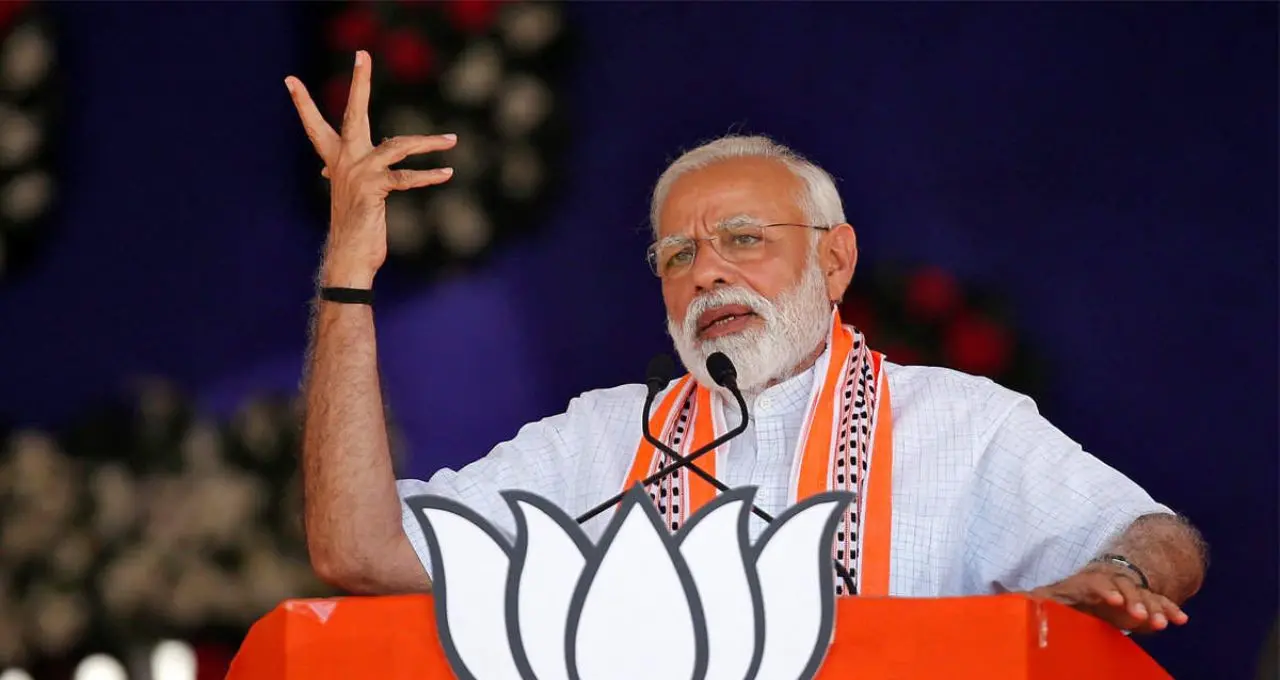
Modi appealed to voters to respond to the TMC through their votes in the forthcoming elections. He stated that there was a need for change in the state and that the public was prepared for it.
At the organisational level, senior BJP leaders have intensified campaign activities through rallies and roadshows. BJP national president J. P. Nadda is scheduled to hold public meetings and roadshows in several parts of West Bengal, including Berhampore, Contai and Bishnupur.
Another BJP leader, Nitin Nabin, is also conducting roadshows in areas such as Tamluk, Egra and Keshiyari to strengthen party support.
The election campaign in West Bengal reflects a balance between local and national issues. While the TMC is focusing on state-level development and welfare schemes, the BJP is framing its campaign around national policies and central schemes.
Banerjee’s allegations and Modi’s remarks indicate that the electoral contest involves both policy issues and competing political narratives.
Social media and public outreach are also playing a significant role in the current election environment. Speeches, videos and visuals from rallies are being widely circulated on digital platforms, expanding the reach of campaign messaging.
Political parties are increasingly combining traditional campaign methods with digital tools, reflecting a shift in the nature of electioneering.