According to the new blood pressure guidelines, a reading of 120/80 mmHg or lower is considered normal, 120-129 mmHg is classified as Elevated, 130-139 mmHg as Stage 1 Hypertension, and 140/90 mmHg or higher as Stage 2 Hypertension. These guidelines facilitate earlier detection of high blood pressure, promote lifestyle improvements, and simplify medication management, ultimately reducing the risk of heart attacks, strokes, and kidney diseases.
New Blood Pressure Guidelines: Recognizing the increasing prevalence of high blood pressure in India, the American Heart Association and American College of Cardiology have released updated blood pressure guidelines. This framework aims to assist individuals in identifying blood pressure levels ranging from 120/80 mmHg to 140/90 mmHg or higher, assess their risk, and implement timely interventions or lifestyle modifications. The new guidelines emphasize home monitoring, stress management techniques, and regular exercise to mitigate serious cardiovascular and renal risks across all age groups.




New Blood Pressure Categories and Severity Levels
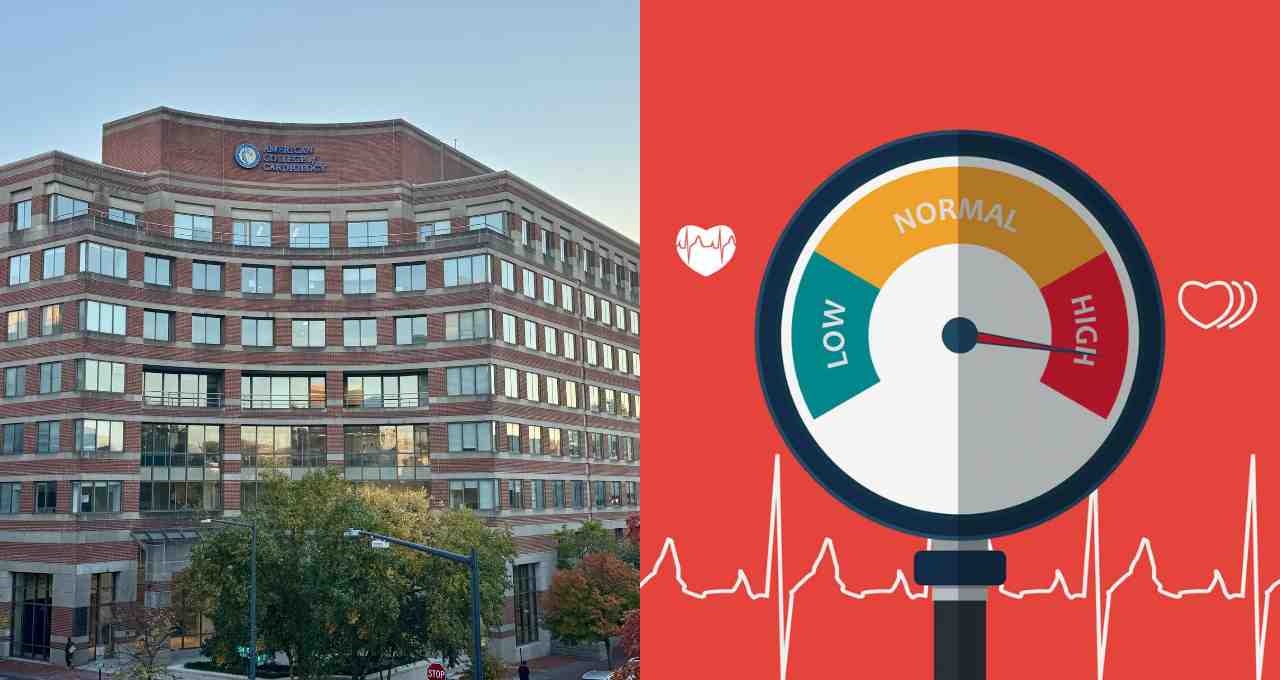
As per the revised guidelines, a blood pressure reading of 120/80 mmHg or below is classified as normal. Readings between 120-129 mmHg are considered Elevated Blood Pressure, serving as an initial warning sign. A blood pressure of 130-139 mmHg falls under Stage 1 Hypertension, while readings of 140/90 mmHg or higher indicate Stage 2 Hypertension, signifying severe high blood pressure.
The purpose of these new categories is to encourage individuals to recognize early indicators of blood pressure elevation and to manage it effectively through lifestyle adjustments or medication. This proactive approach can significantly reduce the risk of developing debilitating conditions such as heart attacks, strokes, and kidney diseases.
Treatment and Lifestyle Changes
The updated guidelines advocate for early initiation of medication, particularly for individuals with a heightened risk of heart disease. Furthermore, significant emphasis is placed on lifestyle modifications, including daily 30-minute walks or yoga sessions, maintaining a healthy weight, reducing sodium intake, avoiding processed and packaged foods, improving sleep quality, and effectively managing stress.
Home blood pressure monitoring is now considered crucial. Consistent monitoring provides accurate readings and enhances the effectiveness of treatment strategies. For high-risk patients, the standard for blood pressure is being tightened.
Expert Opinion
Dr. Ajit Jain, a cardiologist at Rajiv Gandhi Hospital, states that the new guidelines will facilitate earlier identification of high blood pressure, ultimately leading to a reduction in the incidence of heart disease, stroke, and kidney problems. He highlights that stress and unhealthy lifestyles are primary contributors to high blood pressure among the younger population, making timely monitoring and lifestyle improvements the most critical steps towards prevention and management.