A proposed ropeway project between Patna and Sonpur is set to move towards implementation, with Chief Minister Samrat Choudhary stating that work on the project will begin within five months. The project is planned as an additional connectivity option across the Ganga between Patna and Sonpur.
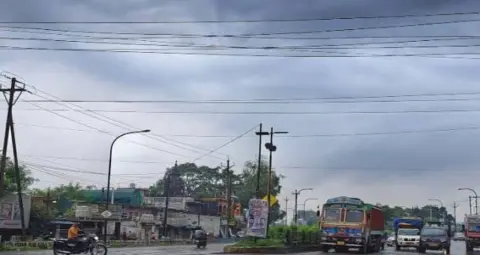
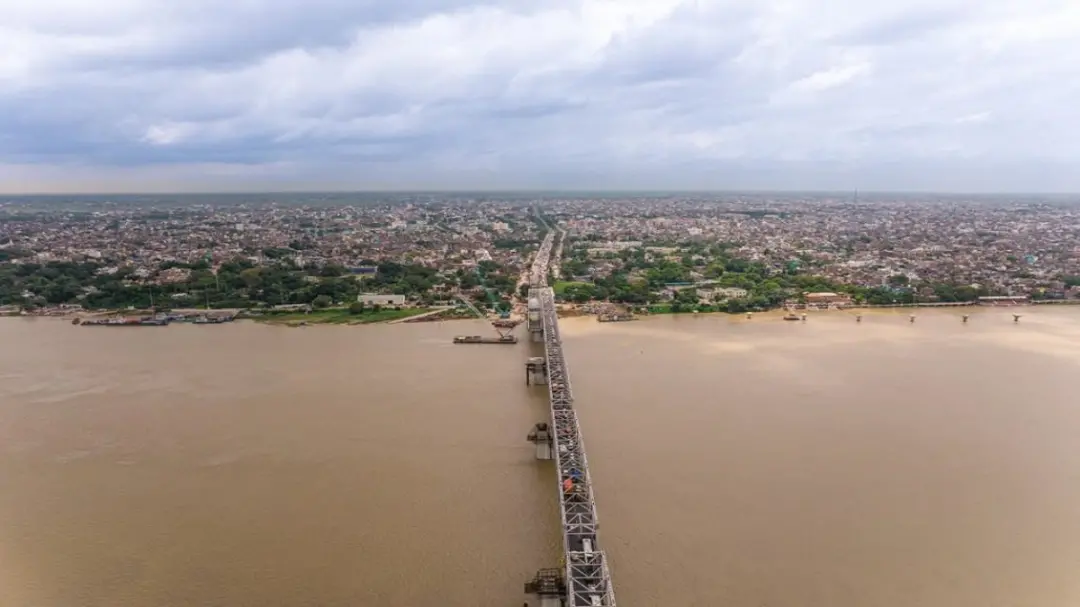
The Ganga separates Patna and Sonpur, and movement between the two areas has long depended on roads and bridges. Vehicles and passengers currently cross the river through bridges over the Ganga, including Mahatma Gandhi Setu. During periods of increased traffic pressure on key routes, commuters face congestion and longer travel times.
Against this backdrop, the proposed ropeway is being planned as an alternative public transport system between the two sides of the river.
Chief Minister Samrat Choudhary has said that work on the project will begin within five months. However, construction of a major infrastructure project generally requires completion of processes including a detailed project report, technical approvals, land-related procedures and other administrative clearances. The pace of actual construction will therefore depend on the preparations and approvals by the concerned departments.
The proposed Patna-Sonpur ropeway would cross over the Ganga. In a ropeway system, cabins are operated through cables, allowing passengers to travel from one bank to the other without constructing a road or bridge across the river.
If the proposed project progresses according to the plan, it could provide passengers travelling between Patna and Sonpur with an additional option alongside road transport.
Sonpur has geographical and cultural importance and is known across the country for the Harihar Kshetra and the famous Sonpur Mela. A large number of devotees visit the area on the occasion of Kartik Purnima. Traffic pressure on routes from Patna towards Sonpur increases during such periods.
An alternative connectivity system such as a ropeway could be used for passenger movement during such events in the future, although its actual impact would depend on the capacity and operating arrangements of the project.




Patna is expanding, while connectivity between the northern and southern parts of the Ganga is also increasing. People travelling from Patna towards Sonpur, Hajipur and the Saran region include those who commute daily for employment, business, education, healthcare and other needs. The development of new public transport options has been considered necessary amid increasing traffic on road routes.
The proposed ropeway would provide another option for crossing the Ganga, reducing exclusive dependence on road bridges for passengers. If operated regularly with adequate capacity, it could offer a faster transport option for short-distance travellers.
The ropeway would primarily serve passenger movement and would not replace transportation of heavy goods or large vehicles.
Road and rail connectivity already exists between Patna and Sonpur. The proposed ropeway can therefore function alongside the existing transport system and provide an additional mode of travel. Availability of multiple transport options could add diversity to the public transport network.
Construction of a ropeway over the Ganga would require consideration of technical factors including the geographical conditions of the river, its width, flood-prone areas, wind speed, tower height, cable systems and safety standards.
The ropeway design would have to ensure that cabins travelling over the river can be operated safely. Arrangements for the safe evacuation of passengers during emergencies would also form an important part of the project.
Environmental and safety assessments would also be required before construction. The Ganga region is affected by floods and changes in water levels. The structure would therefore need to account for rising water levels during the monsoon and conditions such as b winds.
Regular inspection and maintenance would also be required for passenger safety.
The Ganga is an important part of Bihar's economic, social and cultural life. A project aimed at improving connectivity between Patna and Sonpur could affect not only transportation but also access to markets, tourism destinations and local activities on both sides of the river. Its actual economic impact, however, would become clear only after the project begins operations.
Better connectivity with Patna is also relevant for the Sonpur area. A large number of people in Hajipur and Sonpur depend on employment and education opportunities connected with Patna. For daily commuters, travel time and availability of transport are important factors.
If the ropeway is designed to provide regular passenger services, it could offer an alternative route for these commuters.
Following the Chief Minister's announcement that work would begin within five months, attention is now on the next administrative and technical steps related to the project.
Details such as the project's total cost, ropeway length, number of stations, passenger capacity, ticket prices, construction agency and operating model are yet to be provided. These details will give a clearer picture of the project's final structure.
If construction begins according to the stated timeline, the Patna-Sonpur ropeway would represent a different type of river-crossing transport project in Bihar. Alongside road, bridge and metro projects, ropeways can also be used for urban and regional connectivity.
Several road and bridge projects are already being undertaken to strengthen connectivity between Patna and north Bihar. Reconstruction of Gandhi Setu and development of other bridges have improved road connectivity.
Despite this, rising population and increasing vehicle numbers create a need for additional transport options to meet future requirements.
One feature of ropeway systems is that they do not require a continuous wide strip of land like a road. Cable-based transport can be used to cross geographical barriers such as rivers and valleys. However, construction of a ropeway over a river requires extensive technical precautions.
The location of towers, height of cables and safety standards would need to be determined after detailed technical studies.
The Sonpur Mela is one of the occasions when passenger movement from Patna towards Sonpur increases. The availability of another mode of transport could distribute some of the pressure on the main road route during such events.
For this to happen, however, the ropeway's passenger capacity, operating hours and ticketing arrangements would need to correspond with the requirements of such events.
The proposed project could also provide a new passenger travel experience over the Ganga if it becomes operational. Its usefulness for daily commuters would depend on factors including passenger capacity and regularity of services.
The proposed Patna-Sonpur ropeway has increased expectations for an additional Ganga-crossing connectivity option. However, the project remains at an initial stage, and the preparations by the concerned departments following the Chief Minister's announcement will determine its next phase.
Samrat Choudhary has said that work will begin within five months. Further details on the project's technical and administrative preparations, construction agency and timeline are awaited.
If the project progresses according to the stated plan, the ropeway could eventually become an additional passenger transport option between Patna and Sonpur alongside existing road and rail connectivity.