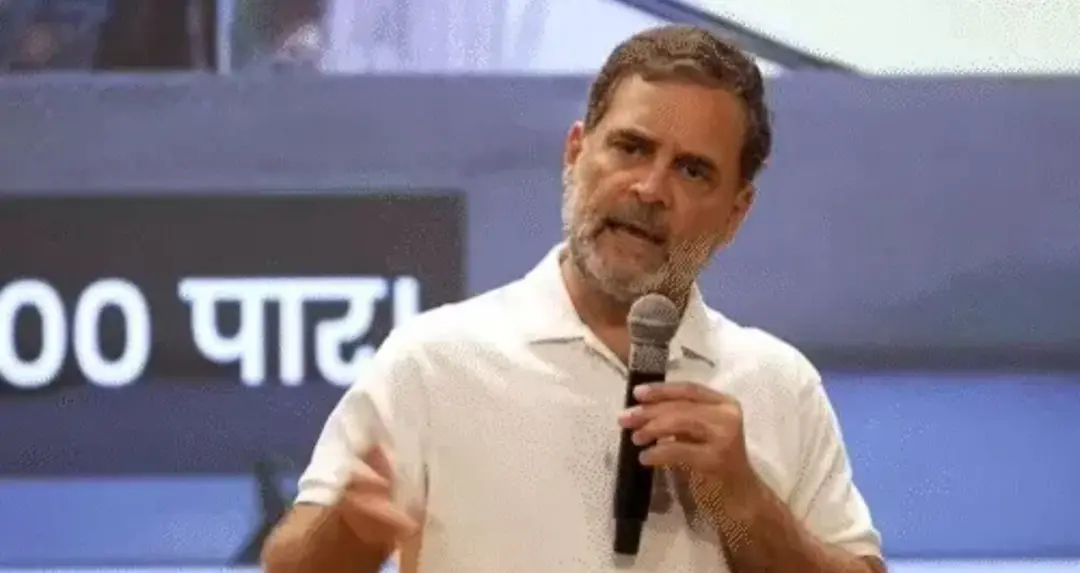
Congress leader and Leader of Opposition in the Lok Sabha Rahul Gandhi on September 24, 2026, accused the Election Commission and Chief Election Commissioner (CEC) Gyanesh Kumar of “vote theft” and demanded Kumar’s resignation. The allegations came amid a wider controversy over the Special Intensive Revision (SIR) of electoral rolls and reports that Election Commissioners Sukhbir Singh Sandhu and Vivek Joshi had formally objected to decisions taken by the poll panel.
In a press conference lasting about 55 minutes, Gandhi alleged that manipulation of the electoral process and voter lists had resulted in “vote theft” against the Opposition. These remain political allegations and have not been independently established as facts. Gandhi also called for an investigation into Prime Minister Narendra Modi and Union Home Minister Amit Shah and said he had opposed Kumar’s appointment. The Election Commission has said that decisions related to SIR have a legal basis and that internal comments are part of the institution’s normal process.
Gandhi raised issues concerning the Election Commission, SIR and electoral rolls during the press conference. He alleged irregularities in Lok Sabha and Assembly elections and linked them to the absence of what he described as normal anti-incumbency against the ruling BJP.
He displayed photographs and earlier public statements involving Prime Minister Narendra Modi, Home Minister Amit Shah and other leaders in support of his allegations. Gandhi said action should be taken against those he alleged were responsible for damaging democratic institutions.
The allegations of “vote theft” and widespread electoral irregularities would require separate evidence and official investigation to be factually established. Available reporting records them as allegations made by Gandhi.
Gandhi accused CEC Gyanesh Kumar of “vote theft”, “law theft” and “institutional theft”. He demanded Kumar’s resignation and called for his cooperation in an investigation into the alleged irregularities.
Gandhi said anti-incumbency against governments was a normal part of the political process. He referred to the electoral performance of former Prime Minister Indira Gandhi and questioned why the BJP and Prime Minister Narendra Modi had not faced a similar level of anti-incumbency.
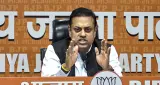



Gandhi attributed this to alleged irregularities in the electoral process. This remains his political allegation and is not an established finding of the Election Commission or a judicial institution.
Gandhi said he had been concerned about the electoral process for some time. He said he had held several press conferences on SIR in 2025 and had raised allegations concerning voter lists with the Election Commission during that period.
He said his concerns increased after studying technical and electoral data relating to certain elections and that the Opposition subsequently began raising the issue publicly.
Gandhi also said Opposition parties were united on the issue and would work together on questions concerning the Constitution and the electoral process.
Special Intensive Revision, or SIR, is a process for comprehensive review and revision of electoral rolls. The Election Commission has undertaken the exercise as part of its process for updating electoral rolls and including eligible voters.
According to an investigation by The Indian Express, the SIR process began in Bihar in June 2025 and subsequently expanded to 30 States and Union Territories. More than 13 crore names were removed from draft electoral rolls. The figure refers to names removed from draft rolls and does not by itself mean that voting rights were permanently terminated.
The controversy surrounding SIR has primarily involved verification of names, documentation requirements, registration of new voters and the technical management of electoral databases.
According to a September 23, 2026 report by The Indian Express, Election Commissioners Sukhbir Singh Sandhu and Vivek Joshi formally objected at least 14 times over the previous 10 months to decisions and orders of the Election Commission. The report said the objections included claims that some steps were “unauthorised” and “illegal” and that certain decisions had been taken without their knowledge.
The objections were raised by the two Election Commissioners and should not be treated as judicial findings against final decisions of the Election Commission.
The Election Commission said after the report that written comments, technical inputs and internal reviews among members form part of the institution’s processes. The Commission also said that its final decisions, including those concerning SIR, had a legal basis and were taken unanimously.
The two Election Commissioners had also raised objections to the addition of a new SIR-related declaration in Form-6, the form used for registration of new voters.
According to The Indian Express, the provision asked applicants whether their own name, or the name of their parents or grandparents, appeared in the electoral roll from the previous SIR. The report said Sandhu and Joshi described the change as “unauthorised” and “illegal” because it was made without an amendment to the rules. The report also said the two Commissioners raised concerns that the change could make registration more difficult for first-time voters.
The objections also covered the control and management of electoral databases and election software. According to The Indian Express, Joshi questioned the gradual centralisation of the electoral roll database in Delhi. Sandhu also raised concerns that some state-level officials did not have complete access to ERONet and questioned issues relating to system security and authority to modify data.
The Indian Express report cited a case from Goa involving 97 voters during the SIR process. According to the report, after hearings, Electoral Registration Officers found the 97 voters eligible, but the software did not provide an option to restore them to the electoral roll.
The report said Goa officials sent several emails to the Election Commission seeking a technical solution. The required software change was not made before publication of the final electoral roll, according to the report.
Questions were also raised within the Election Commission over SIR-related cases in West Bengal. According to The Indian Express, records of around 60 lakh voters had been flagged for discrepancies and a large number of names were subsequently removed.
The report said that following Supreme Court intervention, a large number of appeals concerning deleted and subsequently added names came before tribunals. Sandhu raised questions about the process and authorisation of some of those appeals.
The Election Commission of India is a constitutional body established under Article 324 of the Constitution. The Commission currently comprises one Chief Election Commissioner and two Election Commissioners. The Election Commission’s official website lists Gyanesh Kumar as Chief Election Commissioner and Sukhbir Singh Sandhu and Vivek Joshi as Election Commissioners.
The current dispute over the Commission’s decision-making process concerns differences within this three-member structure. The Indian Express reported that Sandhu and Joshi formally recorded objections on multiple issues related to electoral rolls, SIR and the management of election databases.
The dispute involves two distinct issues. The first is the political allegations by Rahul Gandhi and Opposition parties concerning “vote theft” and manipulation of the electoral process. The second concerns written objections reportedly filed by two Election Commissioners over certain administrative decisions related to SIR and electoral databases.
The Election Commission has described internal comments as part of its institutional review process and said its final decisions have a legal basis and were taken unanimously. The dispute therefore centres on the SIR process, changes to electoral rolls, the role of technical systems, decision-making within the Election Commission and the allegations raised by political parties.