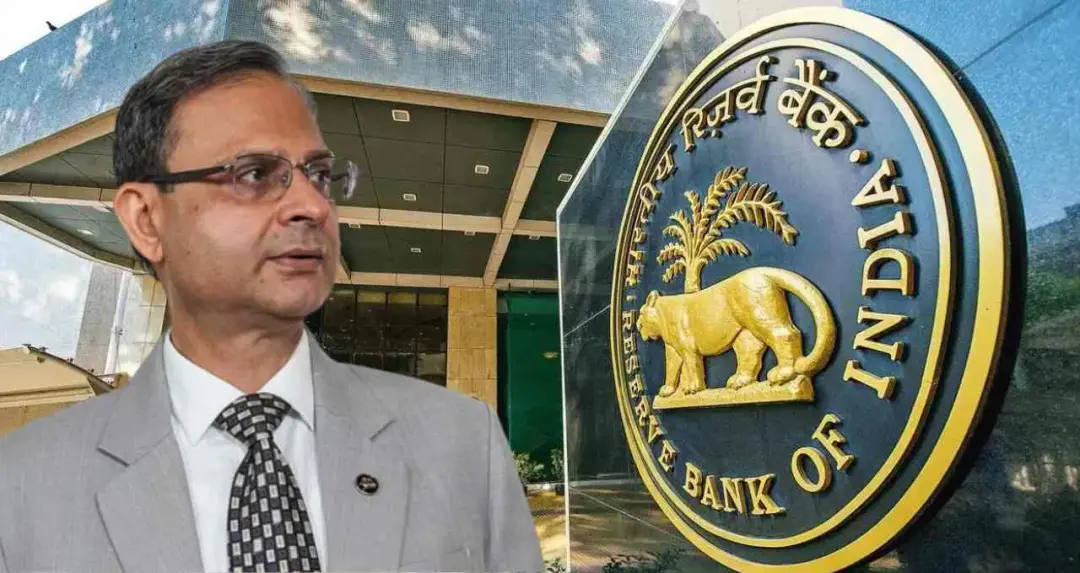
Global geopolitical tensions, particularly the ongoing crisis in West Asia, are beginning to affect India’s economic conditions, Reserve Bank of India Governor Sanjay Malhotra said at the 12th high-level conference jointly organised by the International Monetary Fund and the Swiss National Bank in Zurich.
Malhotra said that if the current rise in crude oil prices and supply disruptions continue for a prolonged period, an increase in petrol and diesel prices in India could become unavoidable.
He stated that the government has so far attempted to keep fuel prices stable to provide relief to consumers, but persistent global developments are increasing pressure on the economy. He said maintaining the current situation unchanged for a long period may become difficult.




According to the RBI Governor, despite fluctuations in international crude oil prices, the Indian government has so far managed domestic fuel prices through adjustments in the tax structure and, to some extent, subsidy measures.
He said India has succeeded in controlling the fiscal deficit while maintaining fiscal discipline in recent years. The deficit, which had risen to more than 9 percent during the pandemic period, has now declined to around 4 percent. However, he said the global oil crisis could pose a fresh challenge to this stability.
Malhotra said West Asia remains strategically important for the Indian economy because a significant share of the country’s trade and energy supplies is linked to the region.
He stated that nearly one-sixth of India’s imports and exports are connected to West Asia. Around 40 percent of remittances received from abroad originate from the region, while nearly 40 percent of India’s fertiliser imports also depend on it.
He added that nearly 60 percent of the country’s natural gas supply is linked to West Asia. In such circumstances, any political instability or conflict in the region can directly affect India’s supply chains and energy security.
An increase in crude oil prices can directly affect domestic inflation. With food items accounting for nearly 40 percent of India’s Consumer Price Index, higher fuel inflation can also push up the prices of other goods.
According to experts, an increase in fuel prices raises transportation costs, which in turn creates inflationary pressure across sectors ranging from food products to industrial goods.
The RBI Governor also acknowledged that supply-side shocks cannot be addressed through monetary policy alone. He said both the government and the central bank would need to adopt a balanced policy response under such circumstances.
He said that if global tensions and disruptions in oil supplies intensify further, the impact may extend beyond fuel prices and affect broader macroeconomic stability.