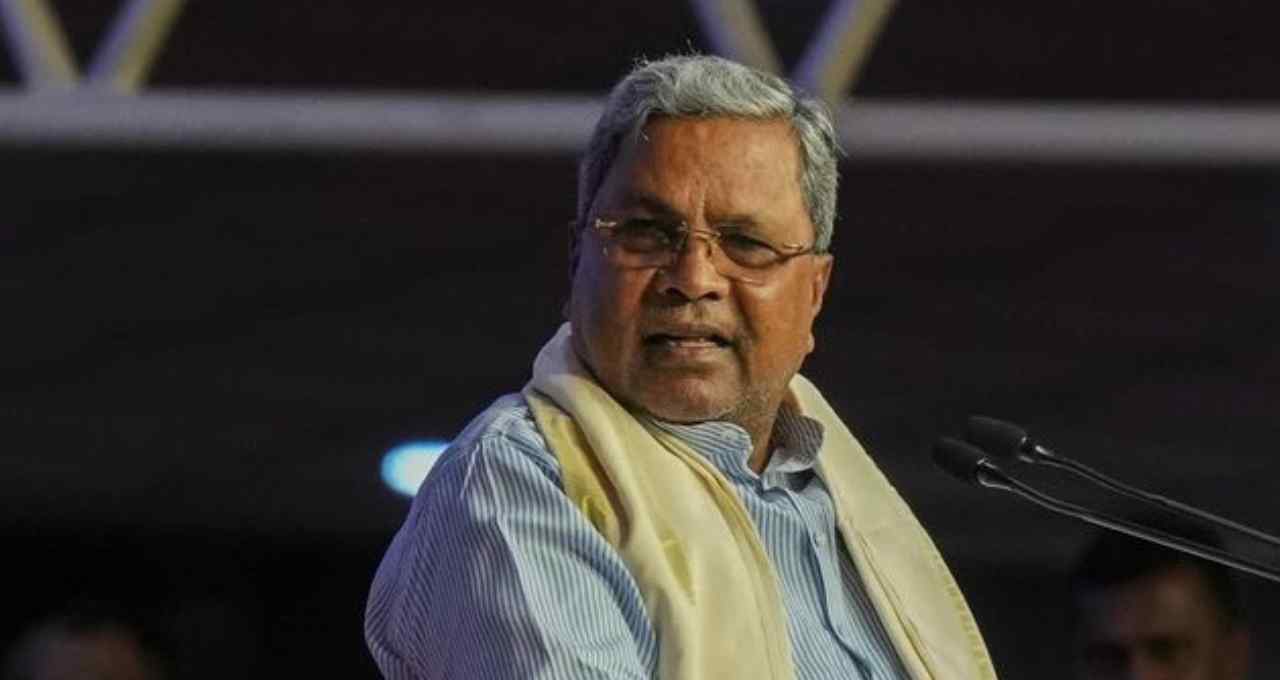
Karnataka Chief Minister Siddaramaiah is set to become the state's longest-serving Chief Minister, surpassing the record held by D. Devaraj Urs. A special event is being prepared by the Ahinda group in Bengaluru to mark the occasion.
Karnataka Politics: A historic moment is approaching in Karnataka politics. Chief Minister Siddaramaiah is poised to become the state's longest-serving Chief Minister. With this achievement, he will break the decades-old record of veteran leader D. Devaraj Urs. Remaining in power consistently has not been easy in a state with complex social and caste equations like Karnataka, but Siddaramaiah has achieved it.
Preparations for a ‘Nati Koli Uta’ Celebration
To make this political milestone special, a ‘Nati Koli Uta’ – a traditional chicken feast – is planned in Bengaluru on January 6th. This event is seen not just as a banquet, but as a political and social message. The event is being organized by the AHINDA group, which has been a voice for backward classes, minorities, and Dalits in Karnataka politics.
Expressed Desire a Year Ago
Almost a year ago, Siddaramaiah openly stated in an interview with a Kannada television channel that he wanted to become Karnataka's longest-serving Chief Minister. At the time, this statement was seen as a political aspiration, but now that dream is about to become a reality.



Strong Grip Despite Internal Disputes
During his tenure, Siddaramaiah faced several challenges within the party. Discussions about differences with Deputy Chief Minister D.K. Shivakumar were constantly in the headlines. Despite this, he not only kept the government stable but also maintained his grip among the organization and the public.
Very Close to Urs’s Record
D. Devaraj Urs is currently the longest-serving Chief Minister of Karnataka, having led the state for a total of 2,792 days – almost 7.6 years – across two terms. Siddaramaiah is now on the verge of surpassing this record. However, the comparison between the two leaders is not limited to their tenure alone; deep similarities are also visible in their politics, social base, and policies.
Social Change Began with Urs
After the name of the Mysore state was changed to Karnataka in 1973, D. Devaraj Urs became the first Chief Minister. Before him, the Lingayat and Vokkaliga communities dominated the state's politics. Urs, coming from the Arasu caste, challenged this political structure by becoming Chief Minister from a backward class and changed the direction of Karnataka politics.
Politics for Backward and Minority Classes
Urs was known as a leader who worked for the interests of backward and minority communities. He implemented policies that increased the political participation of these sections. After him, many Chief Ministers from backward classes have emerged in Karnataka, including Bangarappa, M. Veerappa Moily, and Siddaramaiah.
Siddaramaiah and Ahinda Politics
Siddaramaiah, coming from the Kuruba Gowda community, has strengthened Urs’s Ahinda politics in a new era. According to the socio-economic and caste census of 2011, the population of this community is stated to be more than 43 lakh. Siddaramaiah has established himself as a voice for backward, Dalit, and minority classes.
Challenged Caste Dominance
Like Urs, Siddaramaiah has also challenged the Lingayat and Vokkaliga-dominated politics in Karnataka. This challenge became more evident after the coalition government of the BJP and JDS in 2006. Siddaramaiah first assumed the post of Chief Minister in 2013 and placed social justice at the center of his tenure.
Experience in Coalition Politics
After the 2018 assembly elections, Congress came to power in a coalition with the JDS, but the Chief Minister's post was given to H.D. Kumaraswamy. This coalition did not last long and the government fell due to defections. This period politically strengthened Siddaramaiah.
Similarity in Confrontations with National Leaders
Both Urs and Siddaramaiah faced confrontations within the party at the national level. In 1975, Urs had differences with Indira Gandhi over the Emergency, after which he was expelled from the Congress.
Siddaramaiah also had a long political struggle with the JDS and H.D. Deve Gowda. He left the JDS and joined the Congress after promises of power-sharing were not fulfilled.
A Major Example of Electoral Success
Under Urs’s leadership, Congress won 165 out of 216 seats in the 1972 assembly elections. The vote share was over 52 percent. Under Siddaramaiah’s leadership, Congress won 135 out of 224 seats in the 2023 assembly elections, securing a majority. With a vote share of 42.88 percent, this was the party’s biggest victory in 34 years.