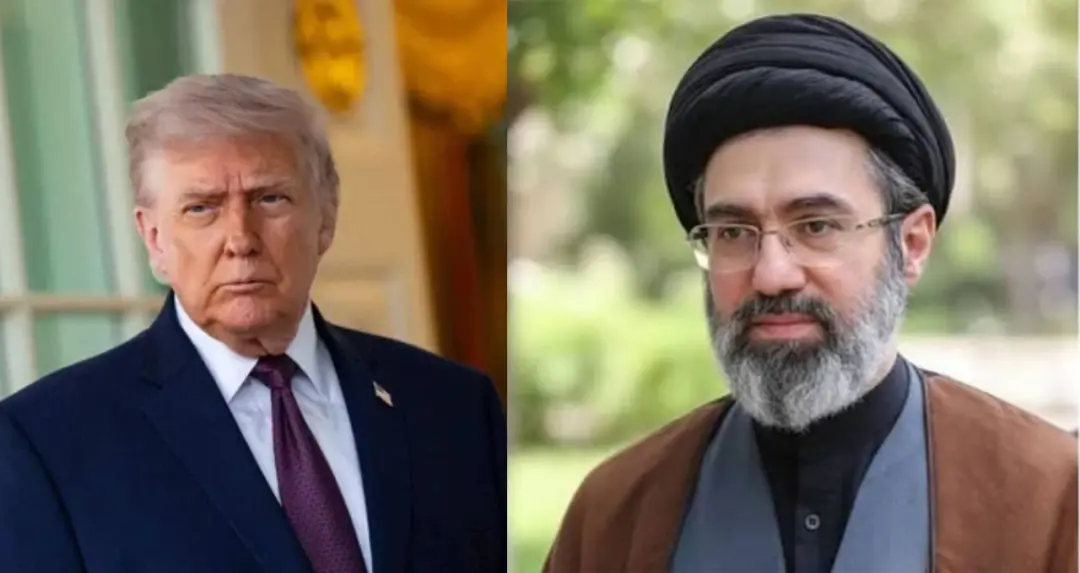
The United States and Iran have issued conflicting statements over proposed talks in Doha, Qatar, amid continuing tensions between the two countries.
U.S. President Donald Trump said a significant meeting between the United States and Iran would take place in Doha on Tuesday. According to Trump, Iran had requested the talks and the objective was to advance the Memorandum of Understanding (MoU) reached on June 17. Iran, however, rejected the claim, stating that no political talks with the United States had been scheduled and that only an expert delegation would attend discussions on technical matters.
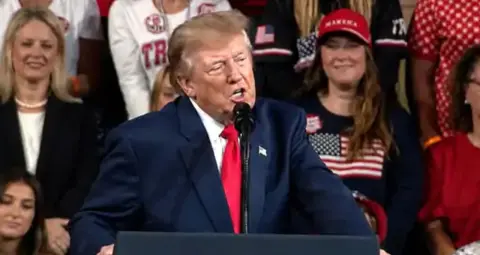
Speaking to reporters at the White House, Trump said the United States' primary objective is to ensure that Iran never develops nuclear weapons. He said the proposed discussions in Doha could be an important step toward that goal. Trump added that U.S. Special Envoy Steve Witkoff had departed for Qatar. He also said it was too early to assess the outcome of the meeting, describing it as one that "could be significant or it could not."


Shortly after Trump's remarks, Iran's Foreign Ministry said no new political negotiations with the United States had been scheduled. According to the ministry, only an expert delegation would travel to Doha to discuss technical and economic issues. Iran said the delegation would focus on the practical aspects of the Memorandum of Understanding and that the discussions would not constitute political negotiations.
Iran said negotiations on any final agreement with the United States would begin only after previously agreed conditions are implemented. According to Iran, hostilities across all military fronts must end, U.S. pressure and the naval blockade affecting Iranian ports must be lifted, U.S. military activities in the region must be reduced, and the Strait of Hormuz must be fully reopened under normal conditions. Iran also reiterated its demand for the removal of restrictions on Iranian oil exports and the release of Iranian assets held in Qatar and other countries.
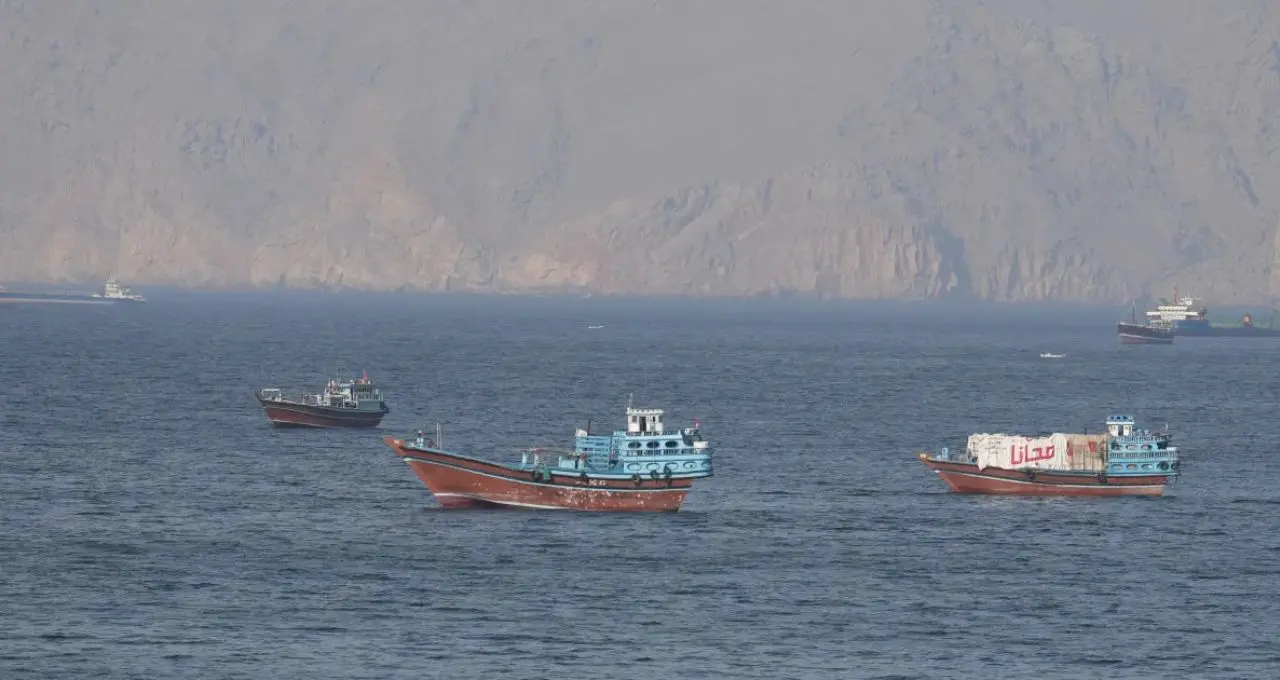
The continuing tensions in the Middle East have increased concerns over the Strait of Hormuz, one of the world's most important maritime trade routes. Recent figures indicate a notable decline in the number of cargo vessels passing through the waterway. According to experts, a prolonged disruption could affect global oil supplies and international trade. Energy markets are closely monitoring the developments.
Separately, Iran and Oman held the first meeting of the Joint Hormuz Committee in Muscat. The meeting focused on the security of the Strait of Hormuz, continuity of maritime trade and regional cooperation. Analysts said Oman has long acted as a mediator between the United States and Iran, making the meeting relevant to future diplomatic efforts.
Iran indicated that a substantial portion of its assets held in Qatar could be released soon. According to Iranian officials, about $6 billion of the total $12 billion could become available in the near future. The issue is expected to be included in the technical discussions in Doha, where both sides may determine the next steps.
South Korean President Lee Jae-myung said most ships linked to South Korea had safely exited the Strait of Hormuz. He said the government was continuing to monitor the situation and was working with international partners to ensure the safety of maritime trade.
Trump also addressed the domestic energy market, calling on fuel retailers not to charge consumers high prices despite declining international crude oil prices. He said companies could face legal action if retail fuel prices are not reduced promptly.
The differing accounts from Washington and Tehran regarding the proposed Doha discussions have left uncertainty over the nature of the engagement. While the United States has described the meeting as a step toward diplomatic progress, Iran has maintained that only technical-level discussions are planned.