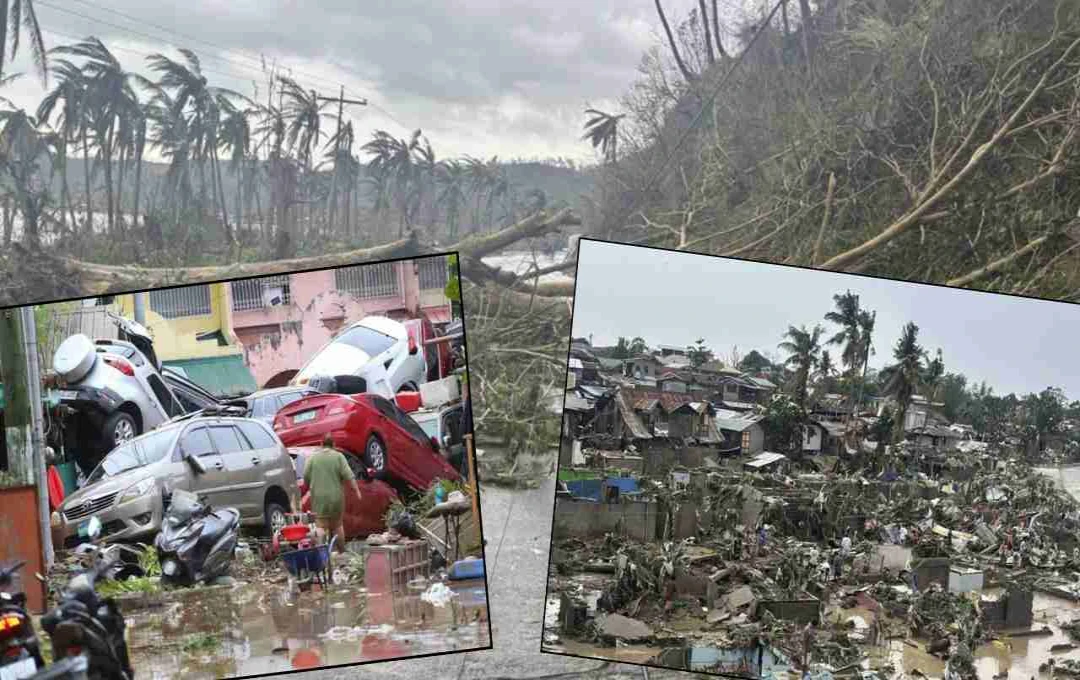
Typhoon Kalmegi has caused widespread devastation in the Philippines. Strong winds and heavy rainfall have led to the deaths of 241 people and left thousands homeless. The government has declared a state of emergency, and relief and rescue operations are ongoing at a rapid pace.
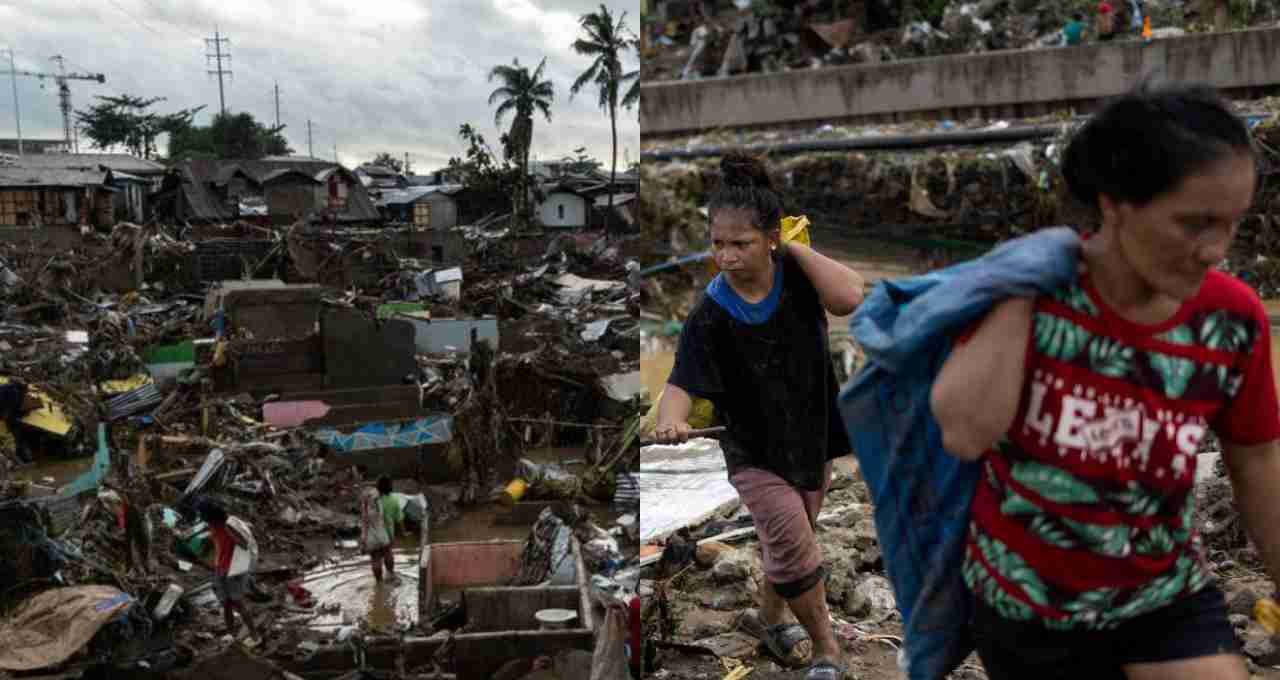
Philippines: The Philippines is currently grappling with a devastating natural disaster, as Typhoon Kalmegi has wreaked widespread havoc. Life has been completely disrupted in many areas due to b winds and torrential rains. So far, 241 deaths have been confirmed, while thousands have been left homeless. Government agencies are continuously engaged in relief and rescue operations. This typhoon is considered the deadliest natural crisis to hit the Philippines this year. The intensity of the typhoon and the extensive destruction it has left behind have created an atmosphere of concern and fear across the entire country.
Widespread Impact of Heavy Rainfall
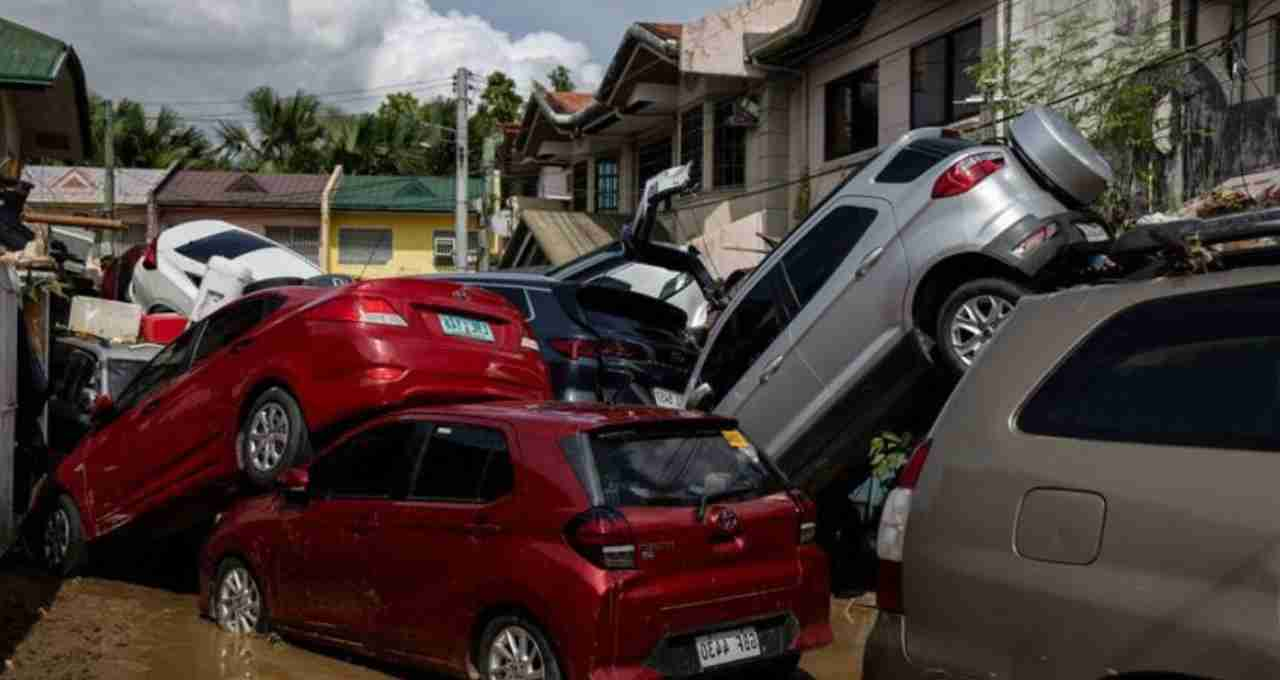
During Typhoon Kalmegi, wind speeds of approximately 130 kilometers per hour were recorded. This immense force ripped off the roofs of many houses, toppled power poles on roads, and uprooted trees. Many homes were completely destroyed, while others were damaged to such an extent that they are no longer habitable.
Torrential rains led to waterlogging in low-lying areas, creating flood-like conditions. People were forced to abandon their belongings in search of safer locations. After the typhoon, when the floodwaters receded, the true extent of the devastation became apparent, leaving people shaken.
President Declares State of Emergency
Given the severity of the situation, Philippine President Ferdinand Marcos Jr. declared a nationwide state of emergency on Thursday. He instructed administrative and security agencies to accelerate relief efforts and prioritize delivering aid to affected areas.
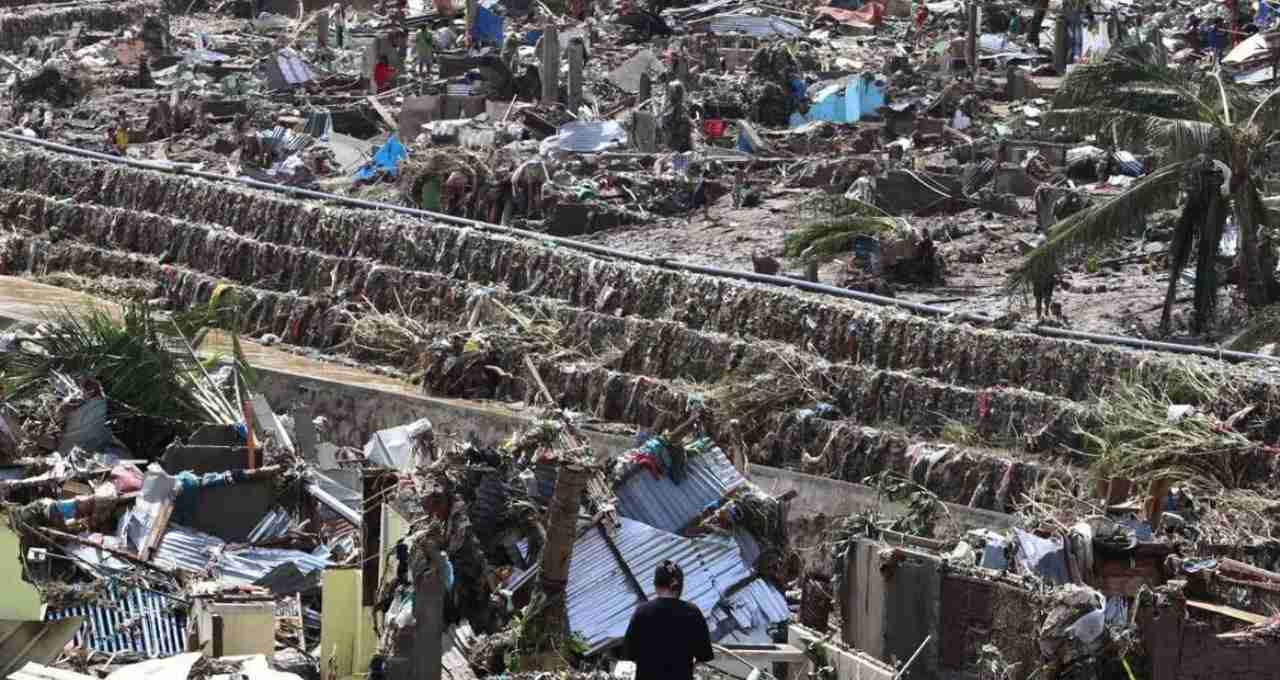
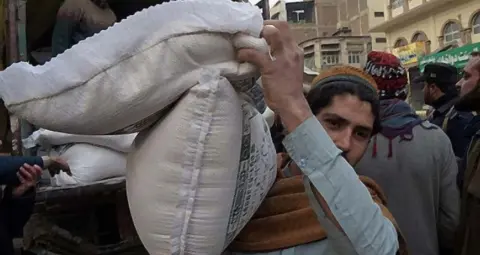
Local administration, military, police, and disaster management teams are continuously engaged in evacuating affected people to safe locations and supplying food, water, and medicine. The biggest challenge at this time is providing relief camps and essential resources for the large number of displaced people.
Cebu Province Most Severely Affected
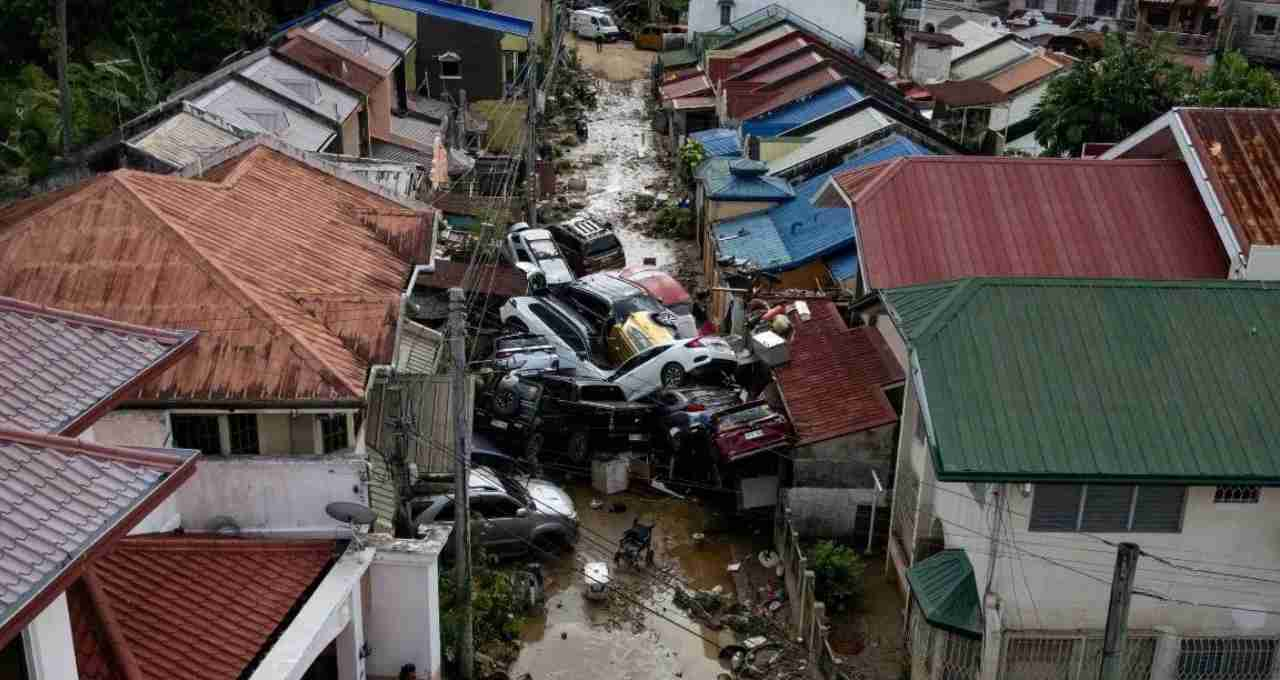
Cebu Province is one of the most severely affected areas in the Philippines, where the post-typhoon scene is extremely harrowing. After the floodwaters receded, roads were littered with debris, parts of broken homes, overturned vehicles, and uprooted trees. Many families returned to their homes only to find remnants of structures or belongings buried in mud.
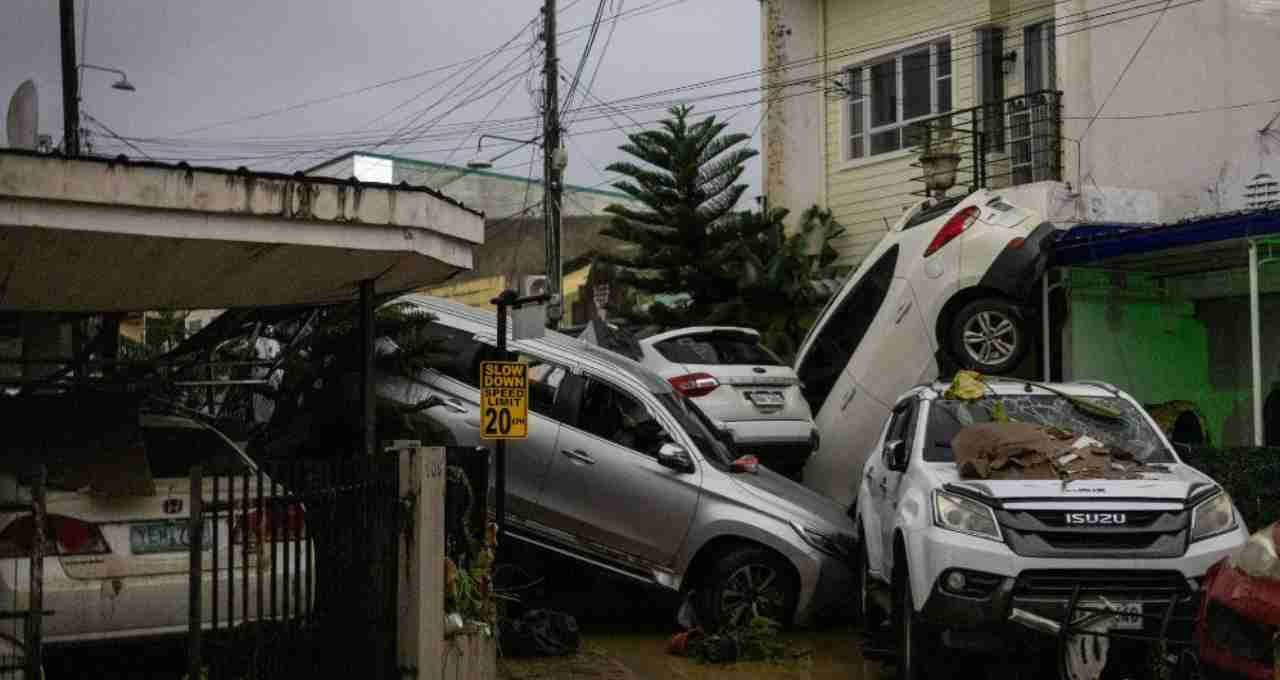
In many places, electricity and water supply lines have also been cut, which will delay the restoration of normal life. Affected residents are now trying to salvage their remaining belongings and clean their homes, but this task is not easy due to the widespread accumulation of mud and wreckage.
Debris Removal: The Biggest Challenge for Relief Operations
According to Raffy Alejandro, a senior official at the Philippines Disaster Management Agency, debris removal is currently the most critical requirement for relief and rescue operations. Clearing debris is essential to ensure the smooth movement of relief supplies and rescue vehicles. Some people are still missing, and their search may take time.
Officials state that until roads are cleared, it will remain difficult to deliver medical aid, food, and water to affected areas. Therefore, additional machinery and resources are being deployed for debris removal.
Alert Issued in Vietnam, Flood Risk Increased
Typhoon Kalmegi has moved from the Philippines towards Vietnam, where the meteorological department has issued warnings for heavy rain and b winds. The risk of flooding has particularly increased in Gia Lai province. Low-lying areas here could be submerged, affecting agricultural activities.
Threat of Potential New Typhoon
While the Philippines is still recovering from the devastation of Kalmegi, the meteorological department has warned that a new typhoon is likely to form in the sea east of Mindanao. If this weather system fully develops, it could impact the country next week. This news is currently creating additional pressure on relief teams, as they fear that the situation could worsen. The Philippines has already faced more than 20 typhoons this year, making the country's situation even more challenging.
Before the typhoon reaches Vietnam, the operations of eight major airports could be affected. This includes Da Nang International Airport, where preparations are underway to cancel or postpone flight services.