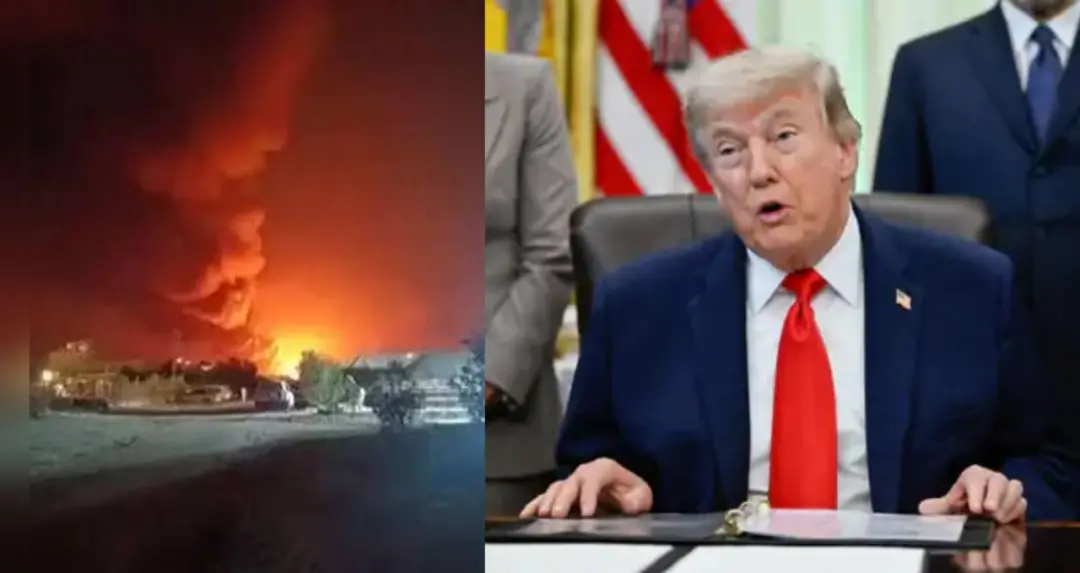
America has carried out new airstrikes on multiple Iranian military and strategic sites, further escalating tensions in the Middle East. The strikes targeted several key locations, including Bushehr, Chabahar, Bandar Abbas, Sirik and Konarak. According to the U.S. Central Command (CENTCOM), the operation was intended to weaken Iran's military capabilities and operational influence in the Strait of Hormuz.
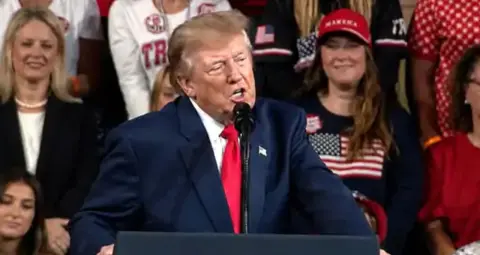
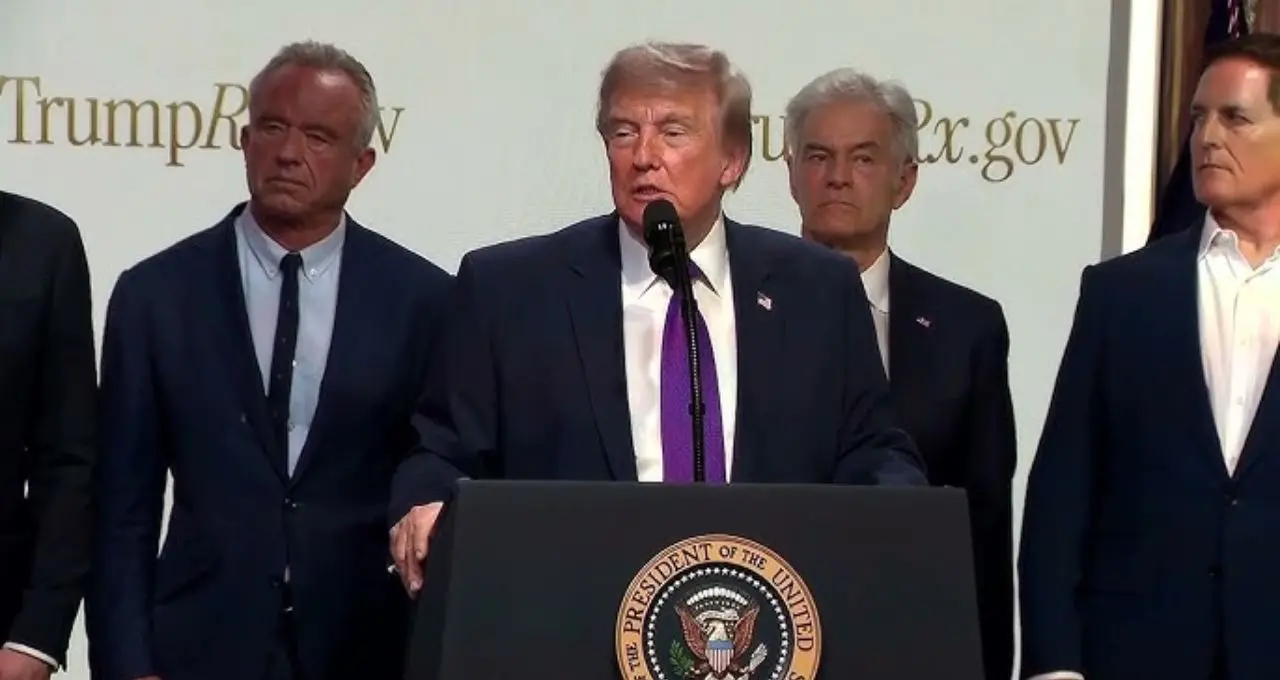
Following the strikes, U.S. President Donald Trump warned Iran that any future attack on the United States would be met with a response "20 times greater in force." Trump also claimed that Iran had expressed a willingness to negotiate, but said he did not believe Tehran would honor any agreement.
The U.S. military said the recent operation targeted approximately 90 Iranian military installations. According to the military, the targets included air defense systems, missile launch sites, drone storage facilities, naval bases, coastal surveillance centers and military logistics infrastructure.
CENTCOM stated that the operation was conducted to ensure the security of maritime navigation in the Strait of Hormuz and maintain regional stability. The United States has alleged that Iran-backed activities in recent weeks have affected international maritime trade.
Speaking to reporters aboard Air Force One, President Trump said Iran had contacted the United States seeking an agreement but questioned whether Tehran would comply with any future deal. He said the United States would take all necessary measures to protect its security and that of its allies. Trump also stated that any attack on U.S. interests would receive a ber response than before.


Iran's Revolutionary Guard (IRGC) claimed it targeted U.S. military bases in Bahrain and Kuwait with missiles and drones in response to the U.S. operation.
Authorities in Bahrain and Kuwait confirmed that air defense systems were activated and warning sirens were sounded. However, neither country officially confirmed who was responsible for the attacks or the extent of any damage.
Rising tensions between the United States and Iran affected global energy markets, with international crude oil prices increasing by around 1 percent. Brent crude rose to approximately $78.80 per barrel, while WTI crude reached about $74.26 per barrel.
Experts said that if tensions in the Strait of Hormuz continue to escalate, global energy supplies could be affected, potentially leading to further increases in oil prices.
The Strait of Hormuz remains one of the world's most important maritime trade routes, through which a significant share of global crude oil shipments passes. Increasing military tensions in the area have raised concerns among international shipping companies and energy markets.
According to reports, some oil tankers have altered their scheduled routes because of increased security risks, raising concerns about potential disruptions to global supply chains.
Following the U.S. strikes, air raid sirens were activated in Bahrain and residents were advised to move to safe locations. Several Gulf countries placed their security systems on high alert.
Bahrain hosts the headquarters of the U.S. Navy's Fifth Fleet, prompting heightened vigilance over the possibility of further retaliatory action. Kuwait also activated its air defense systems.
Iran released a video claiming that parts of the official compound of former Supreme Leader Ayatollah Ali Khamenei were damaged during the recent U.S.-Israeli strikes. The claim could not be independently verified.
Iranian officials said the attacks targeted the country's political and religious symbols. The United States has not issued an official comment on the claim.
The escalating tensions in the Middle East could have implications beyond regional security. India and several other countries depend on the Gulf region for energy supplies. Any disruption to traffic through the Strait of Hormuz could affect oil imports, shipping costs and global inflation.
Experts said prolonged military tensions could increase volatility in global trade, energy markets and financial markets.
Military confrontation between the United States and Iran has further heightened tensions across the Middle East. Statements and retaliatory actions by both sides indicate that tensions continue to rise. Diplomatic efforts, regional security measures and the international community's response are expected to play an important role in determining the direction of the crisis.