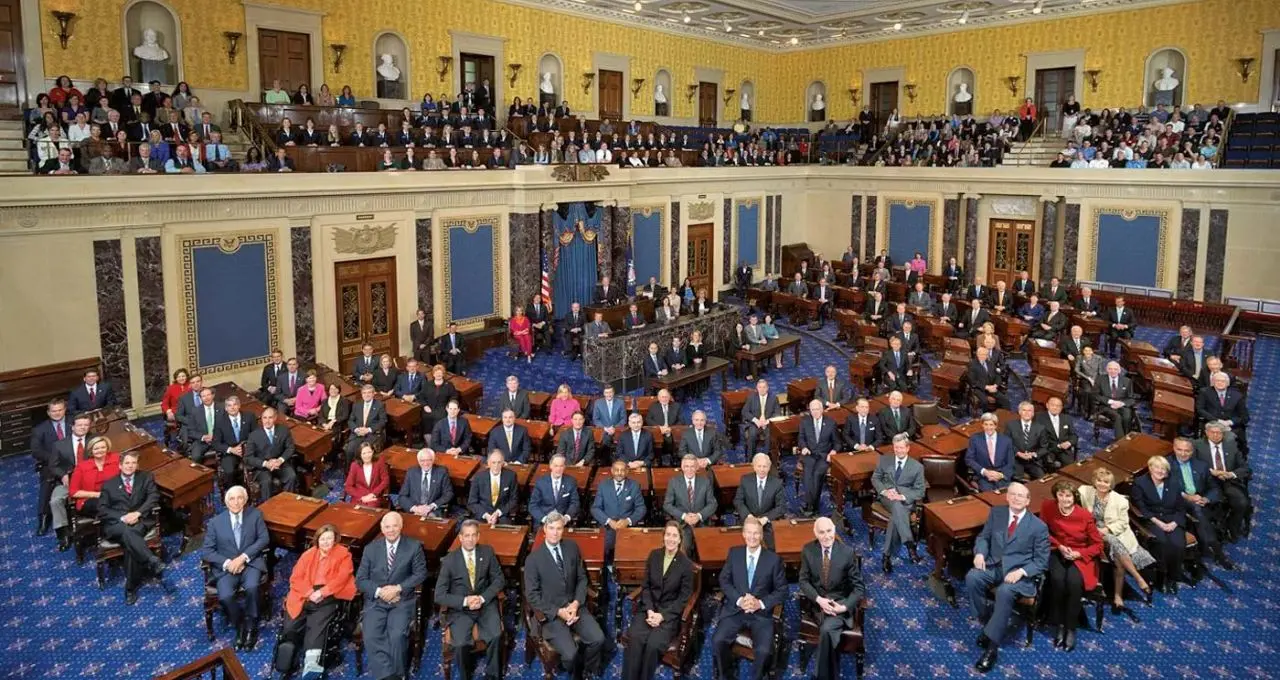
The U.S. Senate has passed a resolution by a 50-48 vote calling on President Donald Trump to halt military action against Iran, amid ongoing diplomatic negotiations between Washington and Tehran. The resolution has renewed debate in U.S. politics and highlighted continuing differences between Congress and the White House over Iran policy.
The U.S. House of Representatives had previously approved a similar measure. It is being described as the first instance since the 1973 War Powers Act in which both chambers of Congress have urged a president to end a military operation. The White House, however, described the resolution as symbolic and said it would have no legal effect because military action against Iran had already concluded.
During the Senate vote, four Republican lawmakers joined Democrats in supporting the resolution. Political observers said the vote reflected differences within the Republican Party regarding President Trump's approach toward Iran. Diverging views on national security and foreign policy issues have emerged within the party in recent years, and the Senate vote underscored those divisions.
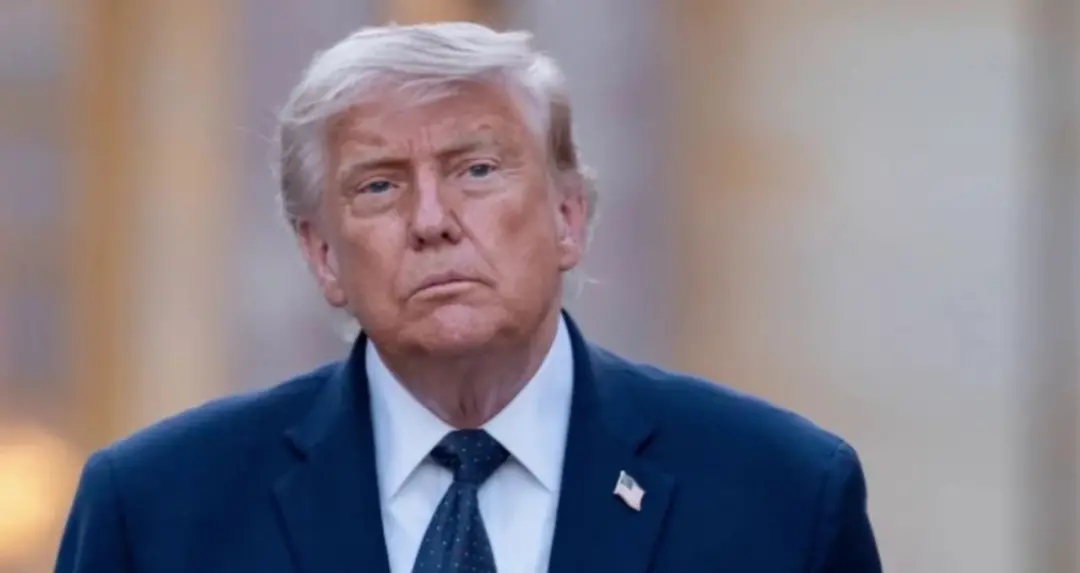
Following the passage of the resolution, President Trump criticized the move, saying it came at a time when Iran was moving toward an agreement with the United States. In a social media message, Trump claimed Iran appeared prepared to accept U.S. conditions on several key issues and said Congress's action could undermine diplomatic efforts.
U.S. Secretary of State Marco Rubio is visiting the United Arab Emirates, Bahrain and Kuwait. The primary objective of the trip is reported to be addressing concerns among Gulf countries regarding a potential agreement between the United States and Iran.




Gulf states have expressed concerns that a new agreement could increase Iran's influence in the Strait of Hormuz. Regional partners have also raised concerns over the absence of explicit provisions related to Iran's ballistic missile program in the proposed agreement. Washington is seeking to assure these countries that regional security interests will not be compromised.
Reports indicate that negotiations between the United States and Iran include discussions on a potential fund of approximately $300 billion for Iran's economic reconstruction. Gulf countries could be asked to contribute financially to the initiative.
According to experts, such an economic package could provide relief to Iran's economy, although it would require broad agreement among regional countries and Western powers.
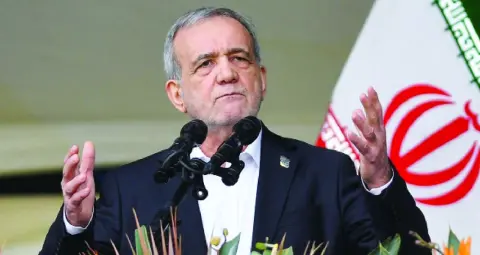
Iranian President Masoud Pezeshkian arrived in Pakistan on a one-day visit, where he discussed U.S.-Iran negotiations and the recent peace agreement. During the visit, he stated that Iran's missile program is not part of any agreement and will not be subject to future negotiations.
Pezeshkian said Iran's missile capability is an integral part of its national security and cannot be restricted under external pressure. His remarks came as Western countries continue to seek limitations on both Iran's nuclear activities and missile capabilities.
President Trump said the United States could end the negotiation process if Iran does not permit international inspections of its nuclear facilities. According to Trump, Iran has already accepted this condition and inspectors from the International Atomic Energy Agency (IAEA) will be granted access to nuclear facilities at an appropriate time.
No official details have yet been released regarding the timeline or procedures for inspections. The issue remains one of the most sensitive aspects of the negotiations between the two countries.
Senior Iranian military commander Ahmad Reza Pourdastan said Iran would no longer remain limited to a purely defensive policy. He stated that Iran could adopt a strategy of striking first if necessary.
According to Pourdastan, several Iranian military capabilities have not yet been utilized and the country is prepared to respond to any potential threat. His comments came amid continuing concerns over regional security conditions in the Middle East.
Following the agreement reached between the United States and Iran on June 17, maritime traffic through the Strait of Hormuz has gradually returned to normal. Eleven India-linked vessels have safely transited the strategic waterway.
South Korea has also confirmed that four of its vessels have safely passed through the Hormuz region. Several international ships remain in the area, and developments continue to be monitored.
Expectations of progress in U.S.-Iran negotiations have affected global oil markets. International benchmark Brent crude fell about 0.5 percent to $76.71 per barrel, a level described as among the lowest in recent months.
Analysts said improving stability in the Strait of Hormuz and expectations that oil supplies will not be disrupted have reduced investor concerns, providing relief to energy markets.
Negotiations between the United States and Iran are expected to influence developments in Middle East politics, global energy security and international diplomacy in the coming months. While the United States is working with regional partners to advance a potential agreement, Iran has indicated it is unwilling to compromise on its security interests and missile program.
Attention remains focused on whether the two countries can reach a lasting peace arrangement and a broader agreement through the ongoing talks.