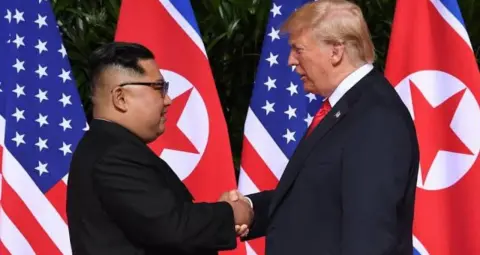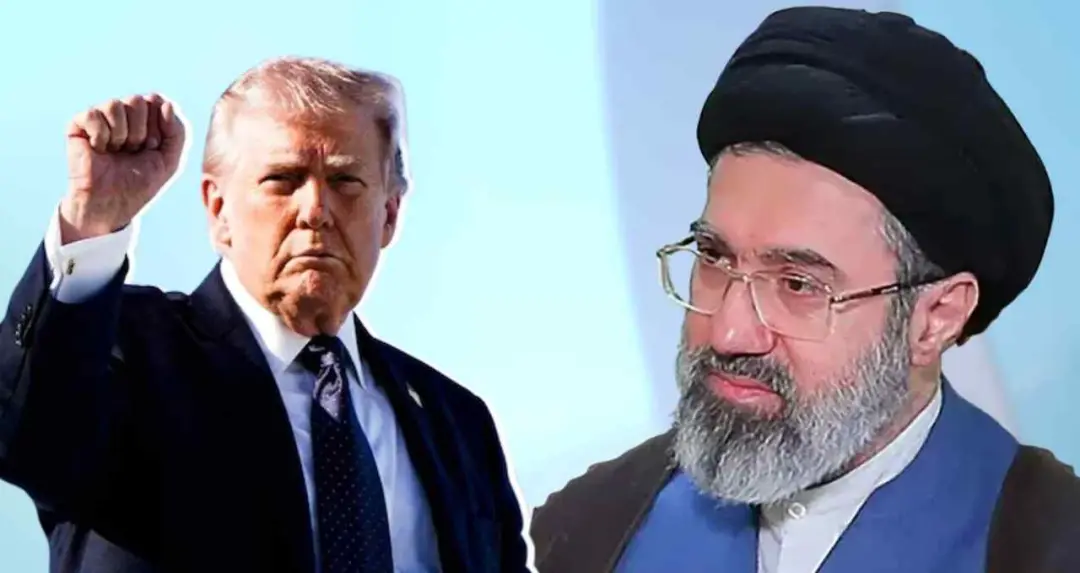
The United States has sent Iran a detailed 15-point peace proposal aimed at ending the ongoing conflict in the Middle East, according to a report by The New York Times. The proposal was reportedly conveyed to Iran through Pakistan, where the Pakistani Army Chief is acting as an intermediary. The Trump administration is seeking to reduce the economic and political impact of the conflict and bring it to an early conclusion through this initiative.
The proposal includes strict restrictions on Iran’s nuclear programme. Under the terms outlined, Iran would be required to halt all uranium enrichment activities and place its stockpile of enriched uranium under international control. The plan also предусматриes the full reopening of the Strait of Hormuz to ensure uninterrupted global oil supply, with the aim of mitigating negative effects on international energy markets.


The proposal further calls for Iran to end its support for regional proxy groups. In return, the United States and the international community may lift several sanctions imposed on Iran. Additionally, the plan includes provisions for international technical assistance to support Iran’s civilian nuclear energy programme at locations such as Bushehr, with the stated objective of promoting peaceful energy development.
According to a media report, the United States and Iran may declare a one-month ceasefire during which both sides would engage in detailed discussions on the 15-point plan. The ceasefire period is expected to provide an opportunity to build trust and facilitate diplomatic engagement. Iran would be able to present its response and propose adjustments to various aspects of the plan during this time.
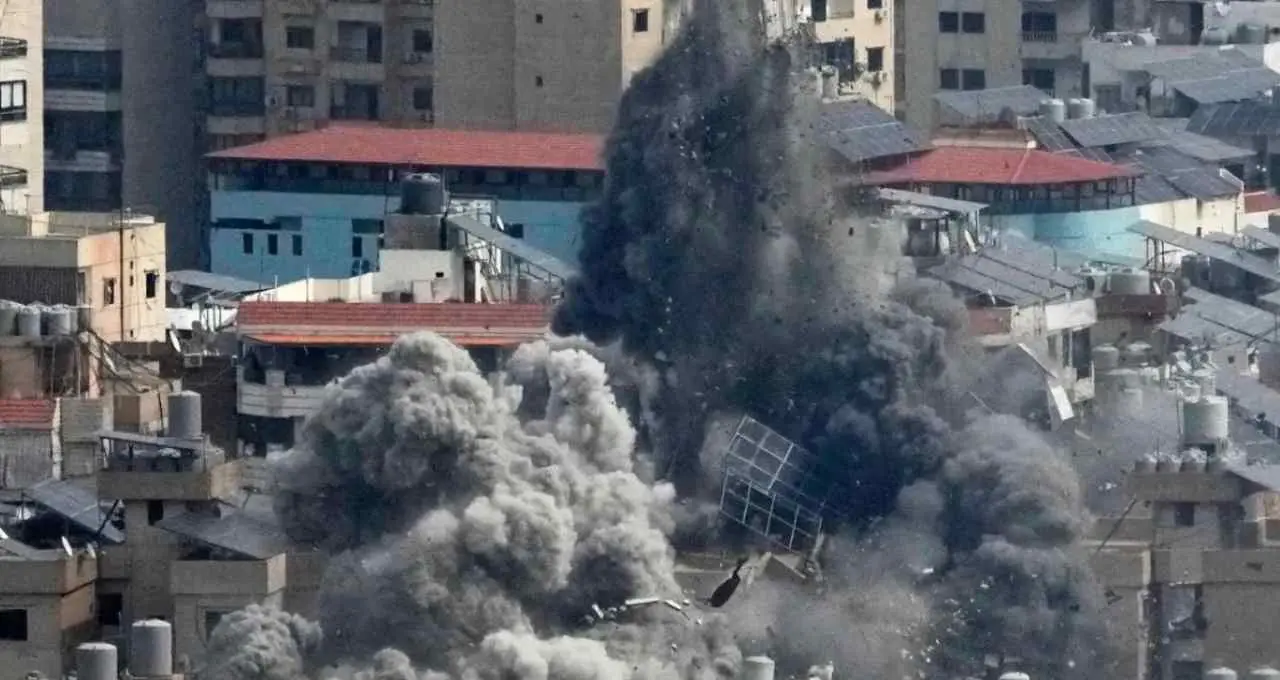
Iran has not issued a formal response to the proposal. However, some sources indicate that Tehran may show flexibility on certain issues, particularly concerning economic sanctions and the reopening of maritime routes. At the same time, Iran is expected to maintain a firm position on matters related to its nuclear activities and regional influence.
There has been no official response from Israel regarding the proposal. Israel’s position is considered significant in the context of regional stability and security. Experts indicate that the plan may not be fully effective without Israel’s agreement, and coordination between the United States and Israel may be required for implementation.
The White House and the US State Department have not commented on the proposal. Some experts interpret the lack of official response as a strategic approach aimed at maintaining negotiation pressure and highlighting the potential benefits of the plan to Iran. It also indicates that the United States is awaiting Tehran’s response before determining further steps.
The conflict has led to a blockade in the Strait of Hormuz, resulting in a sharp rise in global energy prices. Implementation of the proposal is expected to ensure free and uninterrupted maritime movement through the strait, stabilising oil supply and reducing global economic volatility. Experts state that if successful, the plan could provide relief to global energy markets and investors.
The proposal is positioned as an effort by both the United States and Iran to move toward a new phase of diplomatic engagement. Agreement on the plan could contribute to reducing tensions in the Middle East and support regional stability.