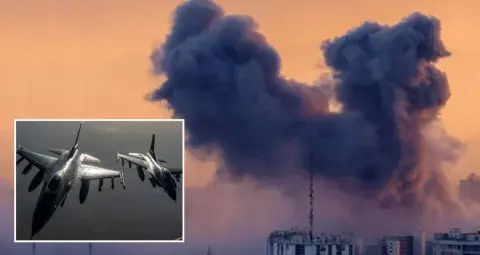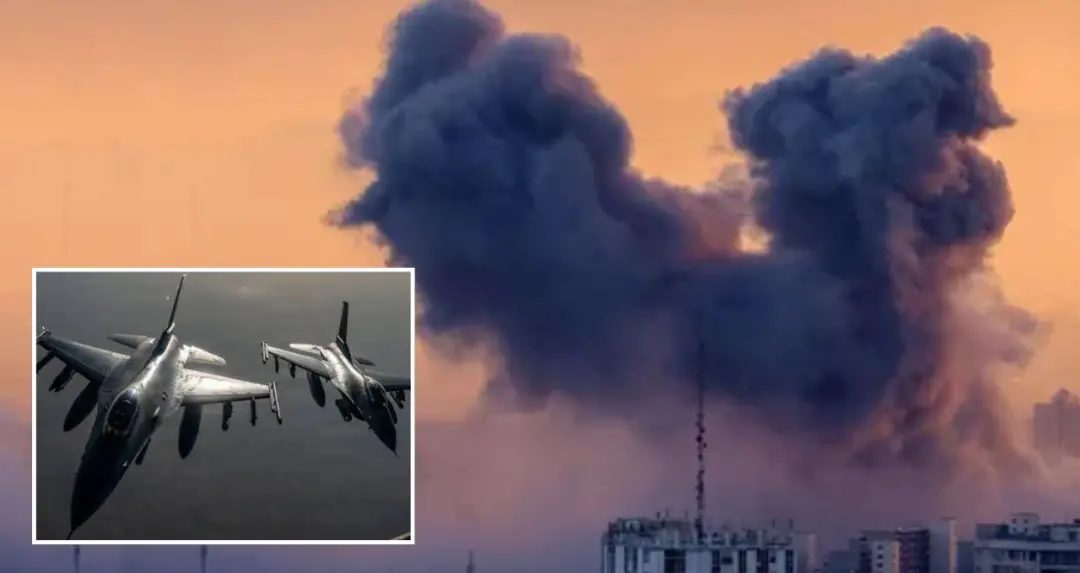
The United States has carried out limited military strikes on Iran’s strategically important Qeshm Island, located near the Strait of Hormuz, raising tensions in West Asia amid ongoing diplomatic efforts to reach a peace agreement between Washington and Tehran.
Iranian state media reported multiple explosions on the island on Monday night, November 2. US officials subsequently confirmed that American forces had conducted strikes against Iranian positions in the area, describing the operation as a limited defensive action intended to counter threats to US military assets.
Several explosions were heard on Qeshm Island in southern Iran on Monday night, according to Iran’s state news agency. Initial reports did not establish the cause of the blasts. US officials later confirmed that American forces had carried out military action against Iranian positions in the area.
According to a Reuters report, one US official described the operation as limited in scope. Another official said Iranian surface-to-air missiles had posed a threat to US military assets, prompting the American response. However, the US Central Command had not immediately issued a detailed official statement.


Iranian media reported that approximately five explosions were heard on Qeshm Island. Some local residents also reported seeing two aircraft in the sky. Explosions were also reported in the nearby Bandar Lengeh area.
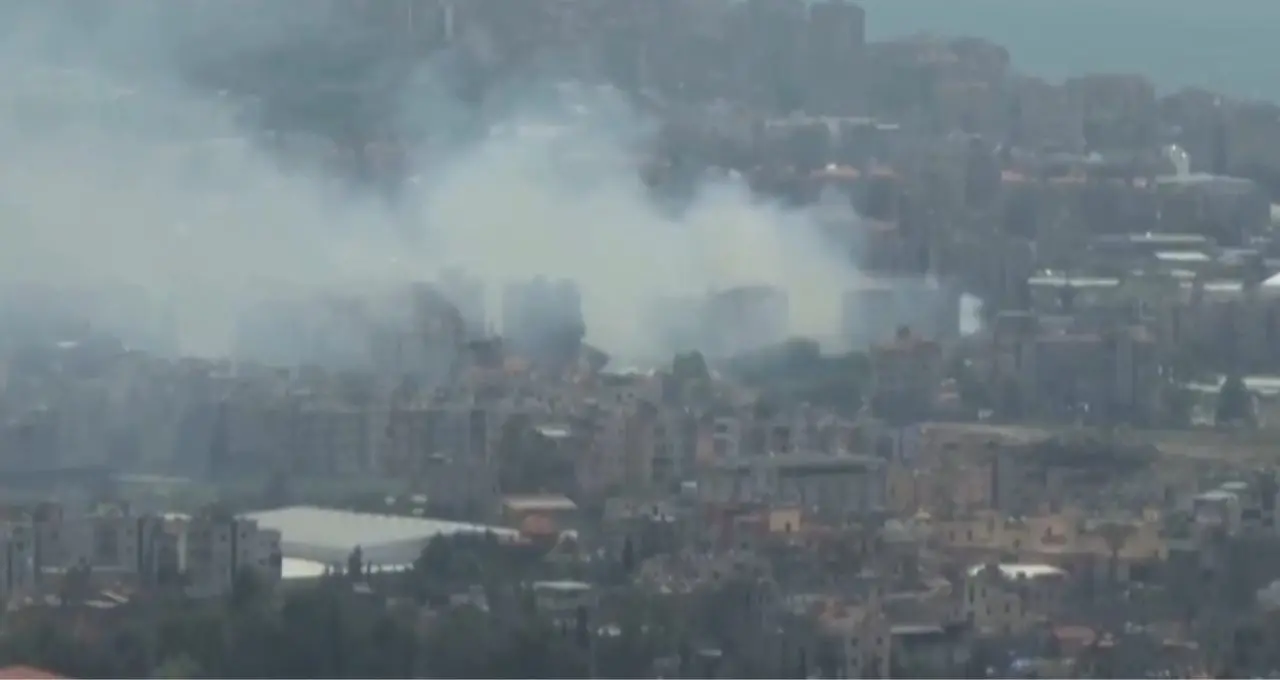
The extent of the damage and the number of casualties, if any, had not been confirmed at the time of reporting.
The US military action against Iran comes as Americans vote in the midterm elections on Tuesday, November 3. The timing of the strikes presents an additional challenge for President Donald Trump, who had previously indicated that no major new attacks against Iran would be launched before the elections.
However, according to The Wall Street Journal, the US military had continued conducting smaller-scale operations against Iran over the preceding several weeks. These operations were not made public, reportedly to avoid signalling a return to a wider war.
On Monday, Trump had expressed the possibility of reaching an agreement with Iran. US Vice President JD Vance had also said that negotiations between the two countries were continuing and that the prospect of an agreement remained.
The latest military action has introduced another challenge to the ongoing diplomatic efforts between Washington and Tehran.
Israeli Prime Minister Benjamin Netanyahu's position has also come under focus amid the latest developments.
According to an Associated Press report, Netanyahu favours large-scale airstrikes against Iran after the US elections. The report said Netanyahu had raised the issue during a telephone conversation with Trump. However, Trump did not commit to any new military operation during that discussion.
Meanwhile, several US allies in West Asia are concerned about the possibility of further military escalation. They fear that an expansion of the conflict could draw Yemen's Houthi rebels and Iran-backed armed groups in Iraq into the confrontation.
Such an escalation could have implications for security across the region and maritime trade.