The United States has carried out attacks on Iranian military sites, while Iran has claimed missile and drone attacks on US military facilities in Jordan and Bahrain in response. Rising tensions over the Strait of Hormuz have increased concerns in the Middle East and global energy markets.
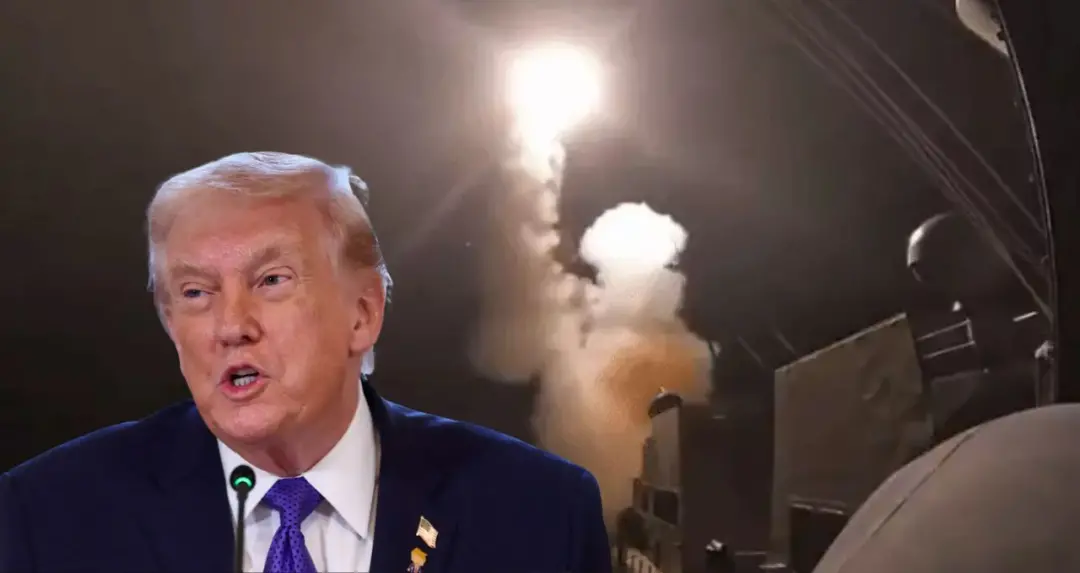
The US military has reported a new wave of attacks on several Iranian military sites. According to the United States, the strikes targeted air defence systems, radar networks, maritime facilities, communication centres and sites allegedly linked to Iran’s capability to lay mines.
According to US Central Command (CENTCOM), the military operation is aimed at weakening Iranian capabilities that the United States considers a threat to regional security and maritime traffic. Tensions between the two countries have particularly intensified over the Strait of Hormuz, a waterway considered important to global energy supplies.
In response to the US attacks, Iran has claimed that missile and drone strikes were carried out against US military facilities in Jordan and Bahrain. Iran’s Revolutionary Guards also claimed that a large number of US soldiers were killed during attacks on American facilities in Jordan. US officials rejected the claim, saying preliminary information indicated that no US soldiers were killed or injured in the attacks in Jordan.
Amid the developments, air defence systems were activated in Kuwait following reports of Iranian drone attacks. Jordan said its forces intercepted 13 ballistic missiles launched from Iran.


US President Donald Trump has rejected the need for an immediate agreement with Iran. Trump claimed that the United States has almost complete control over the Strait of Hormuz and that Iran’s economy is under severe pressure.
The dispute over the Strait of Hormuz has become a central issue in the crisis between the United States and Iran. The United States has accused Iran of attempting to lay mines around the maritime route. Such a situation could affect the movement of vessels transporting oil and gas.
Iran has claimed that seven people were killed and eight injured in a US missile attack in Khuzestan province. According to Iran’s state news agency IRNA, the United States targeted three locations in the province.
The claim could not be independently verified immediately. Due to the continuing military operations and limited independent access, casualty figures emerging from conflict zones have been difficult to independently verify.
A Financial Times report has claimed that Russia is allegedly helping Iran develop supersonic cruise missile technology. According to the report, the alleged secret programme has been underway between the two countries since 2023 and is aimed at strengthening Iran’s long-range, high-speed missile capabilities.
The report identified the alleged programme by the codename C430L and said Russian missile specialists were involved. According to the report, Russia is providing technical assistance to Iran in developing ramjet propulsion systems.
The report said Iran has developed a ramjet system and conducted a flight test. However, there is currently no independent evidence that Iran has actively deployed any supersonic cruise missile developed with Russian assistance.
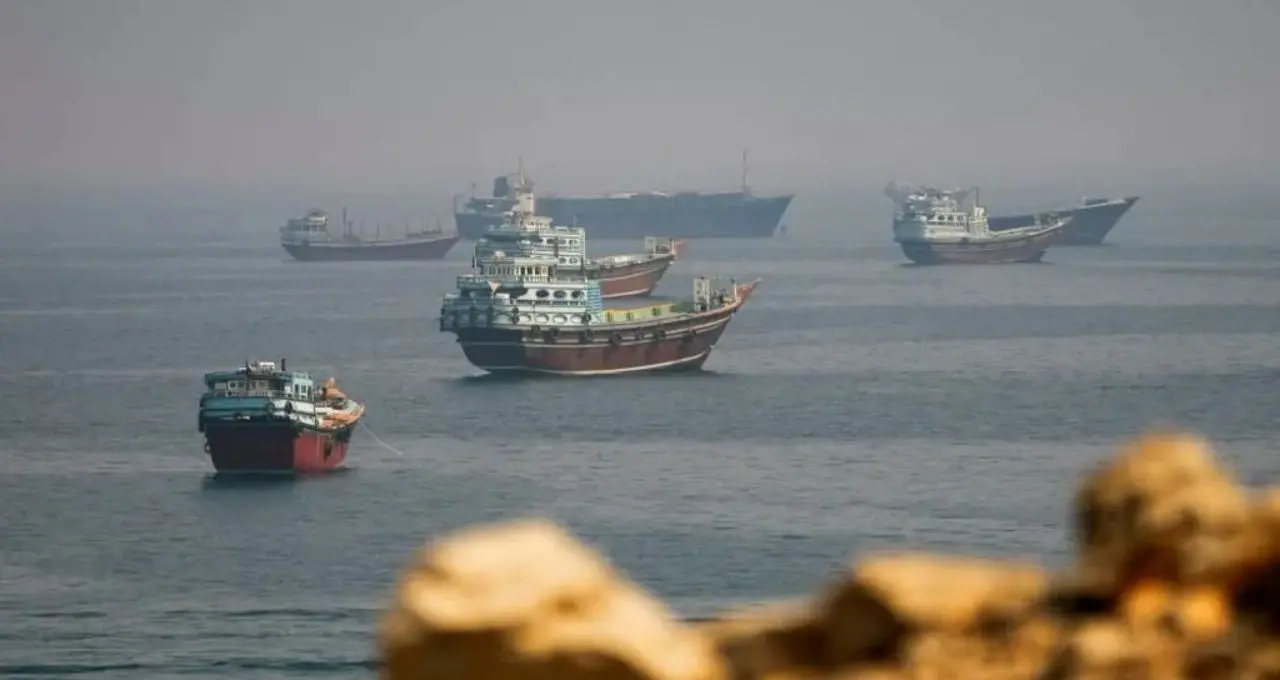
Iran has also accused the United States of targeting a wedding ceremony in Sirik. Iranian state television IRIB reported that four people were killed and around 50 were injured in the incident.
Iranian Foreign Ministry spokesperson Esmaeil Baghaei alleged that a residential house in the Kuhestak area of Sirik was attacked while a family was celebrating a wedding. He claimed that more than 50 men, women and children were killed or injured in the attack.
The Iranian side described the US action as a serious crime and warned of retaliatory action. The claims have not been independently verified.
The latest escalation in tensions between the United States and Iran emerged on Sunday, August 30. The US military reported targeting two rocket launchers on Iran’s Larak Island. The United States alleged that the military capabilities posed a threat in the region.
Iran also claimed that people were killed and injured in that operation, but no specific number of deaths or injuries was made public at the time.
Following the action, statements and military activities by both countries intensified. Iran’s claims of attacks on US facilities in Jordan and Bahrain have added to concerns over the broader regional impact of the conflict.
The Strait of Hormuz is among the world’s most important maritime energy routes. A large volume of crude oil and natural gas leaving the Persian Gulf reaches international markets through the waterway.
Any military disruption in the Strait of Hormuz could therefore affect energy supplies beyond the immediate conflict between the United States and Iran. If vessel movements are disrupted or maritime security risks increase, global oil and gas supplies could be affected, potentially contributing to higher crude oil prices, increased transportation costs and greater volatility in energy markets.