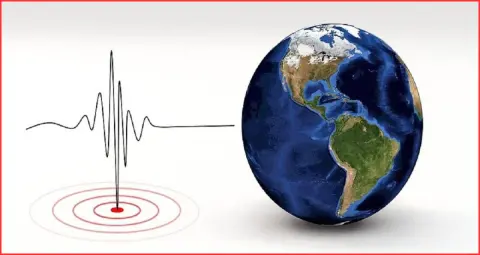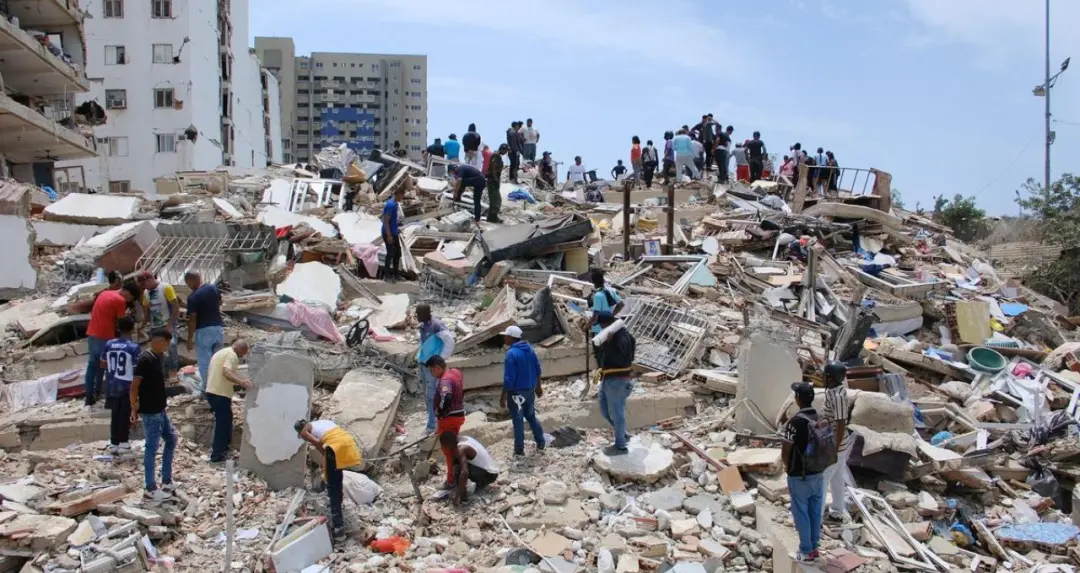
The death toll from the devastating 7.5-magnitude earthquakes in Venezuela has officially risen to 235, while more than 4,300 people have been injured. According to the government, about 39,000 people remain missing, and rescue operations are continuing as authorities search for those trapped beneath collapsed structures.
The two powerful earthquakes caused widespread destruction across the South American country. Relief agencies said voices have been heard from beneath the rubble at several locations, prompting authorities to intensify search and rescue efforts.
The earthquakes struck on June 25, a national holiday marking the anniversary of the historic 1821 Battle of Carabobo. Most people were at home watching FIFA World Cup matches when buildings collapsed, trapping large numbers of residents under the debris.
Experts believe the death toll could increase in the coming days. Numerous buildings in the affected areas have completely collapsed, while rescue teams have yet to reach several locations.
The United States Geological Survey (USGS) warned in its preliminary assessment that the disaster could become more severe. According to the agency, there is an approximately 44 percent probability that fatalities could exceed 10,000, while in an extreme scenario the death toll could reach 100,000.
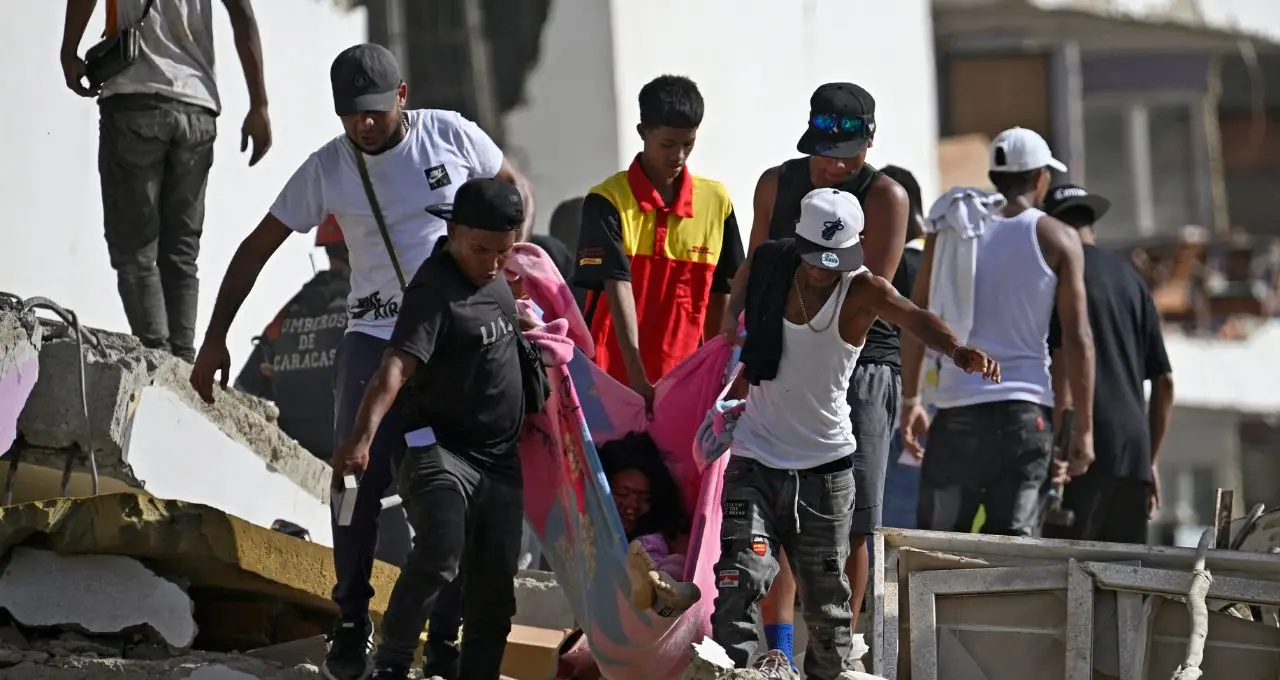
Rescue workers continue clearing debris in search of survivors. Hospitals are treating the injured, and temporary medical camps and field hospitals have been established in several locations.
The northern coastal state of La Guaira has suffered the greatest damage. According to authorities, more than 70,000 families have been affected.
More than 100 buildings in the state were initially reported to have completely collapsed. Subsequent government information stated that approximately 250 buildings were either completely destroyed or severely damaged.


Local authorities said several multi-storey buildings collapsed within seconds. Rescue operations remain underway in the area near the capital, Caracas. Electricity, communications and drinking water supplies have also been severely disrupted in the affected region.
The Venezuelan government has launched relief and rescue operations across the affected areas.
According to the Interior Ministry, the number of rescue personnel has been increased from 4,200 to 11,500. The military, national disaster management agencies, fire services and volunteer organisations are jointly conducting rescue operations.
Search teams are using heavy machinery, search dogs and advanced equipment to locate people trapped beneath the rubble. Priority is being given to locations where signs of survivors have been detected.
The Health Ministry said more than 4,300 injured people have been admitted to hospitals. Most patients have been brought from La Guaira and surrounding areas.
Several hospitals are operating beyond capacity, prompting the government to establish temporary field hospitals.
Medical teams have also been deployed from other parts of the country. Special medical units have been arranged for critically injured patients, while supplies of essential medicines and blood are being increased.
According to the government's preliminary estimate, the natural disaster could cause economic losses equivalent to approximately ₹9.5 lakh crore.
Large numbers of residential buildings, roads, bridges, government facilities and public infrastructure have been damaged.
The main airport in Caracas has also been affected, creating difficulties in delivering international relief supplies. Damage to roads has disrupted the movement of relief vehicles.
Acting President Delcy Rodríguez has declared a state of emergency across the country.
The government has directed all agencies to prioritise relief operations. Temporary relief camps are being established for affected residents, while authorities are working to ensure the supply of food, clean drinking water and essential items.
The government has urged citizens to stay away from damaged buildings because of the possibility of aftershocks and to follow only official instructions.
Following the disaster, several countries have announced assistance for Venezuela.
Indian Prime Minister Narendra Modi spoke with Acting President Delcy Rodríguez and assured all possible assistance.
The United States has also begun sending humanitarian aid. Relief supplies, medical assistance, and search and rescue teams are being deployed through the U.S. Southern Command. The United States has also announced the provision of special aircraft and other resources for injured people.
Canada has announced humanitarian assistance of US$3.5 million. The funding will be used for food, clean drinking water, healthcare, sanitation and other essential relief activities.
According to experts, the approximately 7.5-magnitude earthquake in Venezuela and its surrounding coastal region ranks among the best to strike the country in more than a century.
Previously, a magnitude 7.7 earthquake struck the San Narciso region in 1900, damaging numerous buildings and affecting large numbers of people.
Venezuela is located along the boundary between the Caribbean Plate and the South American Plate. Continuous geological movement between these tectonic plates results in the release of accumulated energy, producing powerful earthquakes.
Scientists said multiple aftershocks remain possible following the earthquake. Such tremors could further damage buildings already weakened by the initial shocks. Residents in affected areas have been advised to remain alert and follow official instructions.
Venezuela's immediate challenge is to rescue those trapped beneath the rubble, provide relief to affected citizens and restore damaged infrastructure.
The rising death toll, treatment of thousands of injured people, the search for tens of thousands of missing individuals and the possibility of further aftershocks continue to complicate response efforts.
Despite international assistance and ongoing rescue operations, authorities believe the next 48 to 72 hours will be critical for locating survivors trapped beneath the debris.