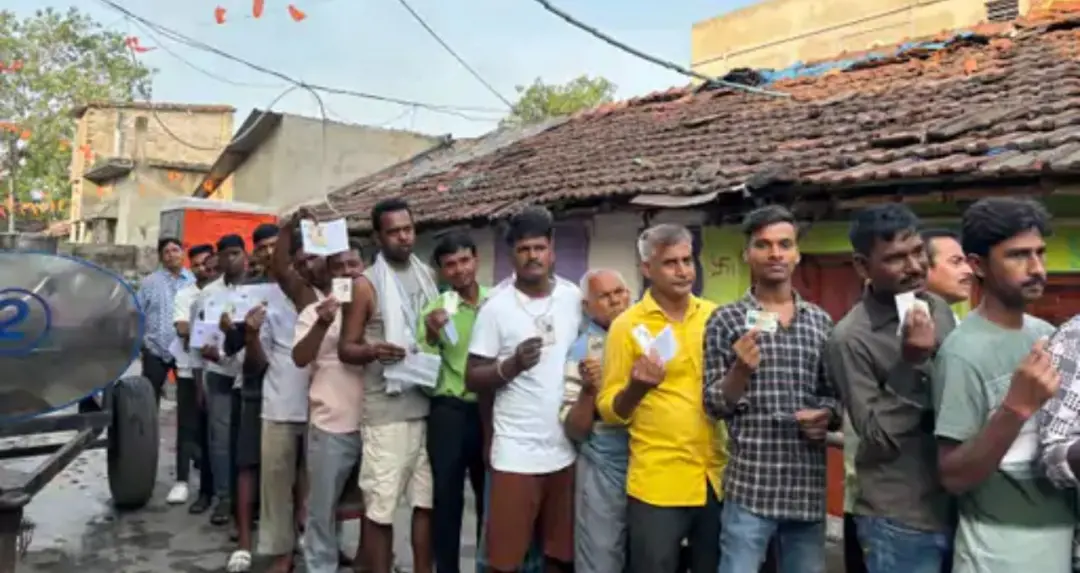
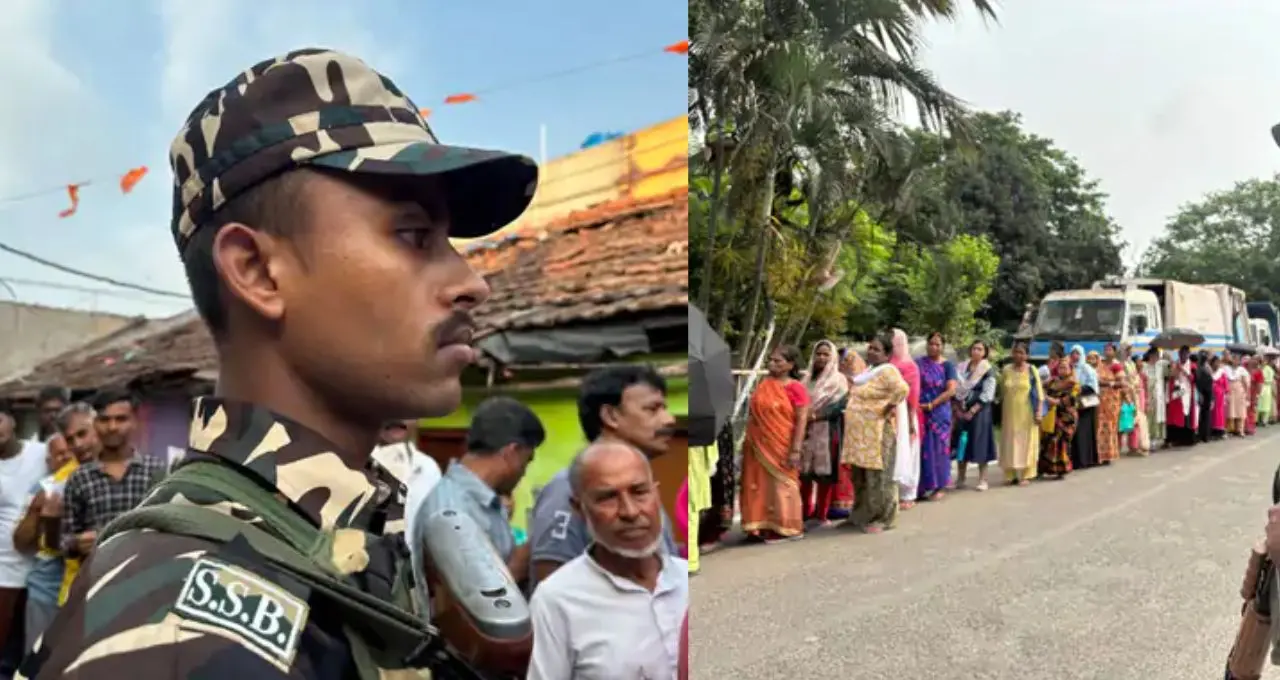
Voting is underway for the second phase of the West Bengal Assembly elections across 142 constituencies. Polling was scheduled to begin at 7:00 am, but voters began arriving at polling stations as early as 5:30 am in several areas. Long queues of women voters were observed in both rural and urban regions.
Amid expectations of peaceful polling, incidents of tension and disputes were reported at some locations, prompting intervention by security agencies.
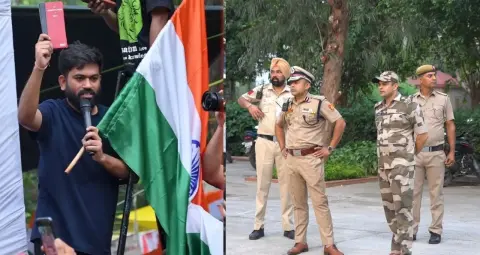
In the Bali area of Howrah district, tensions arose following complaints of a technical malfunction in an Electronic Voting Machine (EVM). An argument between voters and political workers escalated, leading to intervention by Central Reserve Police Force (CRPF) personnel, who detained two individuals. The administration stated that the machines were checked and restored to ensure continuation of the voting process.
In the Chapra area of Nadia district, a Bharatiya Janata Party (BJP) polling agent alleged assault by workers of the All India Trinamool Congress. The local administration stated that the matter is under investigation and statements are being recorded from both sides. Additional security forces have been deployed in the area.
On the Panihati Assembly seat, complaints of EVM malfunction were also reported. BJP candidate Ratna Debnath alleged technical issues in the voting process. The constituency is witnessing a multi-cornered contest involving the BJP, All India Trinamool Congress, Left Front, and Congress.
The Bhabanipur constituency is a key seat in this phase. Chief Minister Mamata Banerjee is contesting from this seat, which has been her traditional constituency. She is considered to be facing a contest from BJP leader Suvendu Adhikari, who had defeated her in the Nandigram seat during the 2021 Assembly elections.
Approximately 32 million voters are eligible to vote in this phase. A total of 1,448 candidates are in the fray, including 220 women candidates. Security arrangements include deployment of 2,321 companies of central forces across the polling areas.
The Election Commission of India has established more than 41,000 polling stations covering both urban and rural regions. Multiple observers have also been deployed to monitor the polling process.
The Special Intensive Revision (SIR) of electoral rolls has also emerged as an issue during the election process, with allegations regarding the deletion and addition of a large number of names. According to experts, this issue may influence outcomes in closely contested constituencies.
Election campaigning in this phase focused on local issues including unemployment, corruption, and infrastructure. Candidates adopted varied campaign methods, including outreach linked to local culture and traditional practices. Political analysts have stated that voter awareness is high and changes in voting patterns may be observed.