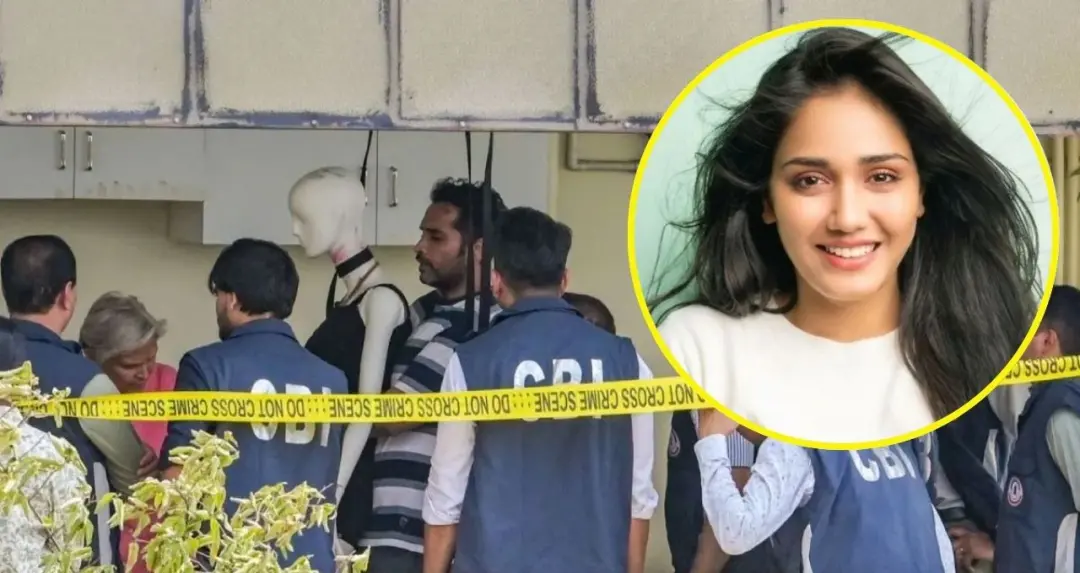
The second post-mortem examination conducted by an AIIMS medical board on the direction of the Madhya Pradesh High Court has concluded that Tvisha Sharma died due to suicidal hanging. The five-member board also found no medically or legally significant injury marks indicating physical assault, attack or struggle before death.
The second post-mortem examination was conducted at AIIMS following the Madhya Pradesh High Court’s direction. The report states that the cause of death was suicidal hanging and that no medically or legally significant injury marks were found on the body that could confirm physical assault, attack or struggle before death.
The report was prepared under the leadership of Dr Sudhir Gupta, head of the Department of Forensic Medicine at AIIMS, and submitted to the Central Bureau of Investigation (CBI) in a sealed envelope.




The five-member medical board examined various possible aspects related to the death before preparing its opinion. The criminal investigation and the final legal conclusion in the case will remain within the jurisdiction of the investigating agency and the judiciary.
A special medical board was constituted at AIIMS following the Madhya Pradesh High Court’s order. The board included forensic medicine specialists.
The team conducted the second post-mortem examination and carried out a detailed analysis of the available medical and forensic evidence. The medical board prepared a report of approximately 11 pages.

The report examined the cause of death and whether any medical evidence supported the possibility of suicide or murder. During the examination, injuries and other signs present on the body were subjected to forensic analysis.
According to the board, no significant injury mark was found that could be medically or legally linked to a struggle or physical assault.
Questions had also been raised regarding the alleged ligature material used for hanging in the case. The experts examined the material in detail while preparing the report. Aspects related to a gymnastics belt with a metal ring were also included in the examination.
According to Dr Sudhir Gupta, the board studied national and international scientific literature along with the available forensic evidence before reaching its conclusion. The experts reviewed various scientific aspects before forming their opinion on the questions related to the ligature material.
The second post-mortem examination was completed on May 24. Following the examination, members of the medical board also inspected the alleged scene of the incident.
The crime scene was examined to compare the findings from the post-mortem examination with the circumstances at the scene and other available evidence.
The board discussed the available scientific material, medical records and forensic aspects for approximately one month. After examining all possible angles, the experts prepared their final medical opinion.