A political crisis has deepened in Bangladesh ahead of the 2025 general elections. Jamaat-e-Islami has demanded a referendum, while the BNP has opposed it. This dispute has increased uncertainty over the country's electoral process.
Bangladesh Election: Political turmoil has erupted in Bangladesh ahead of next year's general elections. Jamaat-e-Islami, the country's largest Islamist party, has introduced a new complication regarding the elections. The party states that elections should not be held until a referendum is conducted on the national charter. This announcement has heightened political tension in the country and cast a shadow of uncertainty over the elections.
Dispute Erupts Over Referendum Demand
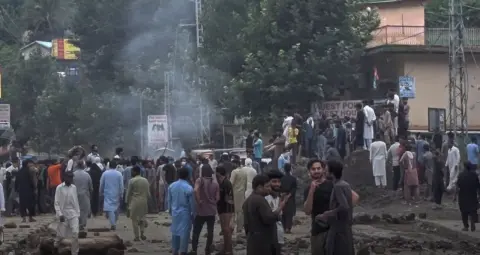
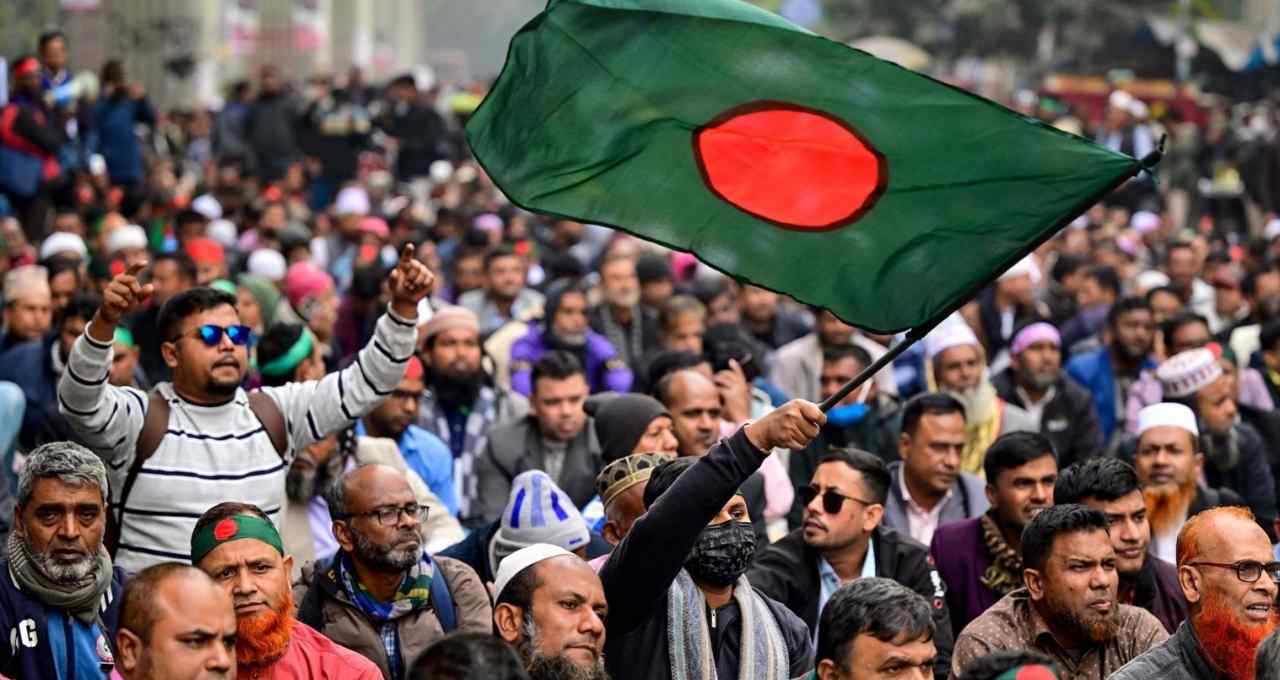
In a rally held in Dhaka on Tuesday, Jamaat-e-Islami bly opposed the proposed general elections. Party chief Shafiqur Rahman stated that the government should first conduct a referendum to grant legal status to the national charter. He added that the elections proposed for February cannot proceed until public opinion is sought on this charter.
Rahman said that the freedom-loving people of the country have one demand – a national referendum should be held before the elections. His statement raises serious questions about the upcoming electoral process.

Show of Strength in Capital Dhaka
Jamaat chief Shafiqur Rahman shared the stage with seven other Islamist allied parties at the rally held in the capital. This rally was a clear demonstration of Jamaat's political power. He stated that elections cannot be held until the July Charter, drafted by the National Consensus Commission led by Chief Advisor Muhammad Yunus, receives legal recognition.
Growing Conflict Between Jamaat and BNP
Jamaat-e-Islami's stance has now clashed with that of the Bangladesh Nationalist Party (BNP), led by former Prime Minister Khaleda Zia. The BNP is clearly against holding a referendum, stating that no such procedure exists in the constitution.
BNP Secretary General Mirza Fakhrul Islam Alamgir said at a rally in Thakurgaon, "Jamaat is afraid of elections because it knows that if elections are held, its existence will cease." This statement has further widened the rift between the two parties.
Agreement on Charter, but Dispute Over Implementation
Last month, the BNP and Jamaat signed a national charter comprising 84 proposals during a high-level meeting. This charter claims to bring political reforms and ensure a transparent electoral process in the country. However, a dispute has now arisen regarding its implementation.
Jamaat argues that if all parties have signed the charter, then holding a referendum is the logical step. Conversely, the BNP believes that Parliament is the appropriate forum for considering this, as there is no mention of a referendum in the constitution.
BNP's Conditions and Shift in Stance
Initially, the BNP completely rejected the idea of a referendum. However, the party later reluctantly agreed to the proposal. The BNP stipulated that if a referendum were to be held, it should take place on the same day as the national elections.
The party argues that this would prevent additional expenses and administrative burden. Jamaat, however, insists that the referendum should be held beforehand to grant legitimacy to the charter and for elections to be based on it.
BNP's Allegation – Tampering with the Constitution
Amir Khosru Mahmud Chowdhury, a member of the BNP's policy-making standing committee, stated last week that the interim government has sworn to protect the constitution. According to him, "there is no provision for a referendum in this constitution."
The BNP also alleged that several of the party's dissenting notes were removed from the final draft of the Consensus Commission. The party claims that some of these points are against the Constitution of Bangladesh.
Referendum Deadline Expires, Uncertainty Increases
The interim government had given political parties seven days to reach a consensus on the referendum. This deadline has now passed, but no consensus could be reached.
Officials state that the interim administration is now preparing to make a unilateral decision on the implementation of the charter and the timing of the referendum. This situation could become more severe as the BNP has refused any form of discussion with Jamaat on this issue.